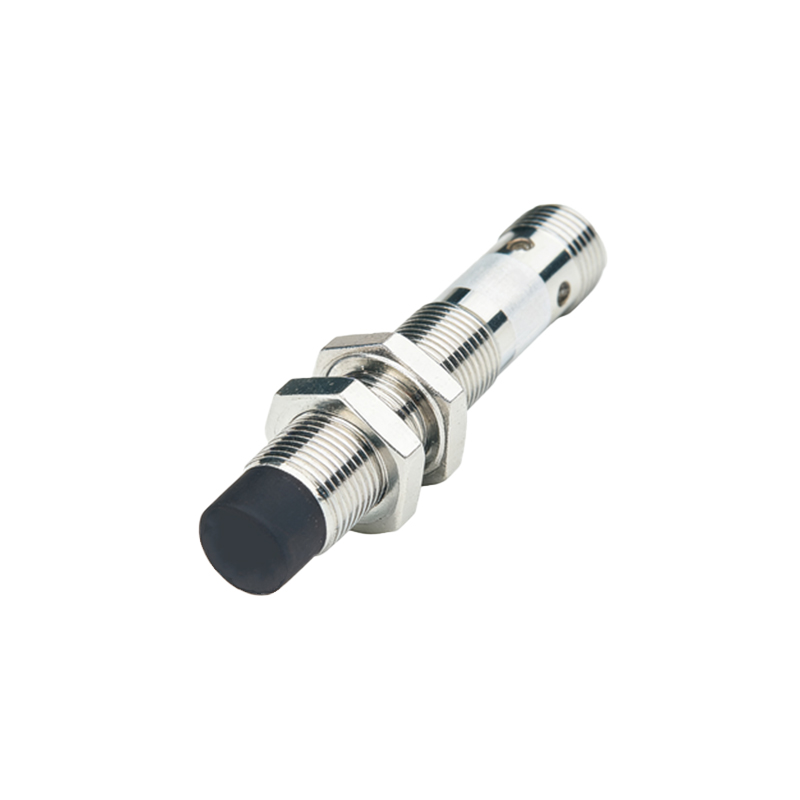
Proximity sensors are indispensable components in modern industrial automation, offering non-contact detection of objects within a defined range. Their application design requires careful consideration of environmental factors, target materials, and operational requirements to ensure reliability and efficiency. This article explores key aspects of proximity sensor application design, focusing on selection, installation, and integration practices.
The first step in designing a proximity sensor application is selecting the appropriate sensor type. Inductive sensors are ideal for detecting metallic objects, utilizing electromagnetic fields to sense ferrous and non-ferrous metals. Capacitive sensors, on the other hand, can detect both metallic and non-metallic materials, including liquids and plastics, by measuring changes in capacitance. Ultrasonic sensors use sound waves to detect objects at greater distances, making them suitable for challenging environments with dust or moisture. Each type has distinct advantages, and the choice depends on the specific application, such as object composition, detection distance, and environmental conditions.
Environmental factors play a critical role in sensor performance. In harsh industrial settings, sensors may be exposed to extreme temperatures, humidity, vibration, or electromagnetic interference. For instance, in automotive manufacturing, inductive sensors must withstand high temperatures and oil exposure. Selecting sensors with appropriate ingress protection (IP) ratings, such as IP67 for dust and water resistance, is essential. Additionally, shielding and proper grounding can mitigate electromagnetic interference, ensuring stable operation. Designers should also consider the sensor's housing material—stainless steel or rugged plastics—to enhance durability in corrosive or abrasive environments.
Installation and alignment are crucial for optimal sensor functionality. Misalignment can lead to false triggers or reduced detection range. Sensors should be mounted securely to minimize vibration-induced errors. For example, in conveyor systems, sensors must be positioned to detect objects without physical contact, avoiding wear and tear. Adjustable mounting brackets allow for fine-tuning during installation. It is also important to account for the sensor's sensing field—the area where detection occurs. Objects outside this field may not be detected, while those too close might cause oversaturation. Following manufacturer guidelines for mounting distances and orientations ensures accurate detection.
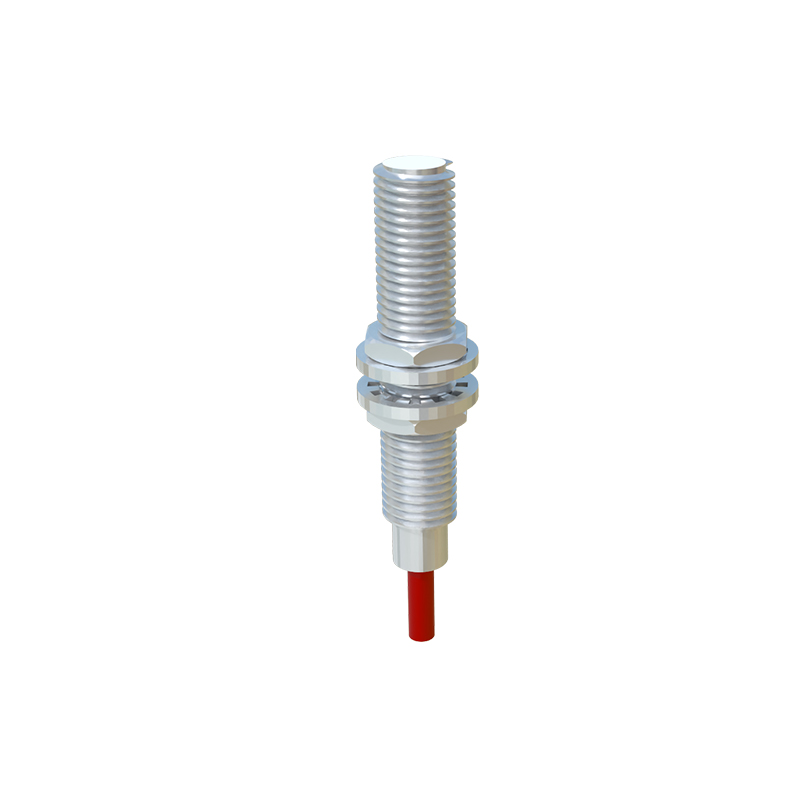
Integration with control systems is another key aspect of application design. Proximity sensors typically interface with programmable logic controllers (PLCs) or industrial PCs to trigger actions like stopping a machine or counting items. Output types, such as NPN (sinking) or PNP (sourcing), must match the control system's input requirements. Wiring should adhere to standards to prevent signal loss or electrical noise. In complex setups, sensors may be part of a networked system using protocols like IO-Link for enhanced diagnostics and parameterization. This allows for real-time monitoring of sensor health, reducing downtime through predictive maintenance.
Calibration and testing are vital to validate sensor performance in the actual application. During commissioning, sensors should be tested with representative target objects under normal operating conditions. Factors like object size, shape, and speed can affect detection consistency. For instance, a sensor designed to detect small metal parts may require adjustment if the parts vary in size. Regular maintenance, including cleaning lens surfaces for optical sensors or checking for mechanical damage, helps sustain long-term reliability. Documentation of calibration settings and environmental parameters aids in troubleshooting and future upgrades.
In summary, successful proximity sensor application design hinges on a holistic approach—from sensor selection based on material and environment to precise installation and seamless integration. By addressing these factors, engineers can enhance system accuracy, reduce maintenance costs, and improve overall productivity in industrial automation. As technology advances, smart sensors with self-diagnostic capabilities are becoming more prevalent, offering new opportunities for optimized design and operational efficiency.