Proximity sensors are indispensable components in modern industrial automation, manufacturing lines, and smart devices. Their ability to detect the presence or absence of an object without physical contact ensures efficiency, safety, and longevity of machinery. However, like any precision electronic device, their performance can degrade over time without proper care. Implementing a consistent maintenance routine is not merely recommended; it is critical for preventing unexpected downtime and costly repairs. This guide outlines practical, actionable steps to keep your proximity sensors functioning reliably.
The cornerstone of effective maintenance is a clean operating environment. Proximity sensors, especially inductive and capacitive types, are susceptible to interference from contaminants. Dust, metal shavings, oil, coolant, and other airborne particles can accumulate on the sensor's face. This buildup can attenuate the sensing field, causing the sensor to fail to detect an object or trigger false readings. Establish a regular cleaning schedule using a soft, lint-free cloth. For stubborn grime, use a cloth lightly dampened with isopropyl alcohol or a mild electronic-grade cleaner. Never use abrasive materials, harsh solvents, or high-pressure air sprays, as these can damage the sensitive sensing surface or housing. Always ensure the sensor is powered down before cleaning to prevent electrical hazards or short circuits.
Physical inspection is equally important. Routinely check the sensor's housing for any signs of damage, such as cracks, dents, or corrosion. Even minor physical damage can compromise the sensor's ingress protection (IP) rating, allowing moisture and contaminants to enter. Inspect the mounting brackets and hardware to ensure the sensor is securely fastened. Vibration in industrial settings can loosen mounts, leading to misalignment. A misaligned sensor will not perform accurately. Verify that the sensor is correctly positioned relative to its target object, maintaining the specified sensing distance and approach direction as outlined in the manufacturer's datasheet.
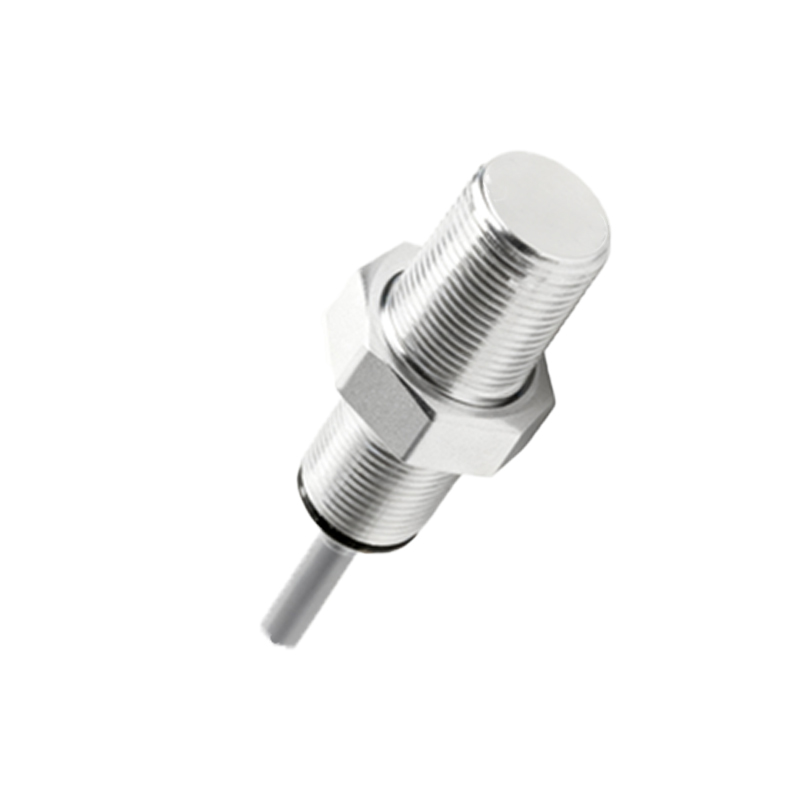
Electrical connections demand vigilant attention. Over time, wiring can become frayed, terminal connections can loosen, and cable insulation can degrade. Periodically inspect the sensor's cable, connector, and the connection point at the controller or PLC. Look for signs of wear, corrosion, or pinched wires. Ensure all electrical connections are tight and secure. Loose connections are a common source of intermittent failures and signal noise. For sensors with quick-disconnect cables, ensure the coupling is fully engaged. It is also prudent to check the voltage supply to the sensor with a multimeter to confirm it is within the specified operating range, as voltage spikes or sags can impair sensor function and lifespan.
Environmental factors play a significant role in sensor health. Understand the specific environmental limits of your sensor model, including its operating temperature range, resistance to chemicals, and IP rating for dust and water resistance. Do not install a standard sensor in an environment for which it is not rated. For instance, excessive heat can accelerate electronic component aging, while extreme cold can affect response times. If sensors are used in wash-down areas or outdoors, ensure they have a suitably high IP rating (e.g., IP67 or IP69K) and that the sealing gaskets are intact. Shield sensors from direct exposure to strong electromagnetic fields generated by large motors, welders, or power lines, as these can cause erratic behavior.
Finally, incorporate functional testing into your preventive maintenance schedule. Do not wait for a machine fault to test a sensor. Use the target object (or a certified test target) to periodically verify the sensor's switching function. Observe the indicator LED (if present) and monitor the signal at the control system. Log the performance data to establish a baseline. This practice helps identify sensors that are beginning to drift from their specifications or are showing signs of reduced sensing range, allowing for proactive replacement before a critical failure occurs.
By adhering to these fundamental practices—maintaining cleanliness, ensuring physical and electrical integrity, respecting environmental limits, and performing regular tests—you can significantly extend the service life of your proximity sensors. This proactive approach ensures continuous operational reliability, safeguards your productivity, and protects your capital investment in automation equipment.