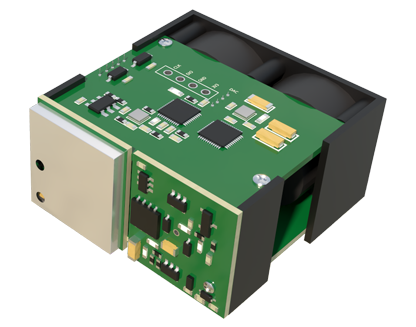
Laser sensors have become indispensable tools across numerous industries, offering unparalleled precision in measurement and detection. These devices operate by emitting a focused beam of light—typically from a laser diode—and analyzing the reflected signal to determine distance, presence, or profile of a target object. The core principle relies on time-of-flight, triangulation, or phase-shift measurement methods, each suited to specific applications.
In manufacturing and automation, laser sensors are pivotal for quality control, enabling non-contact measurement of dimensions, thickness, and surface defects with micron-level accuracy. For instance, in automotive assembly lines, they ensure precise gap measurements between panels, while in electronics, they verify component placement on circuit boards. Their high-speed response and reliability make them ideal for dynamic environments where mechanical sensors might fail.
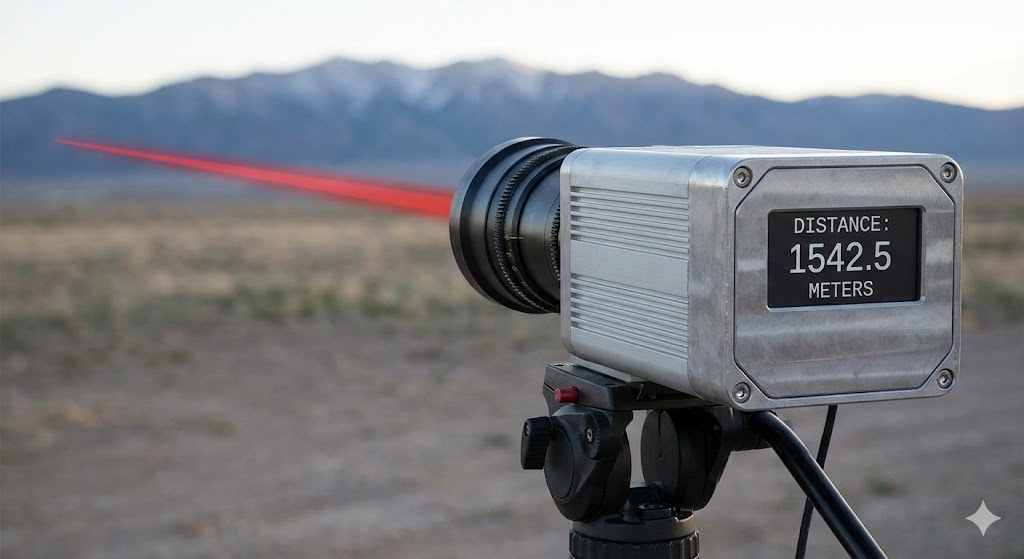
Beyond manufacturing, laser sensors enhance safety and efficiency in logistics, robotics, and aerospace. Autonomous guided vehicles (AGVs) use them for navigation and obstacle avoidance, while warehouse systems employ them for inventory tracking and package dimensioning. In robotics, laser sensors facilitate accurate object recognition and manipulation, crucial for tasks like pick-and-place operations.
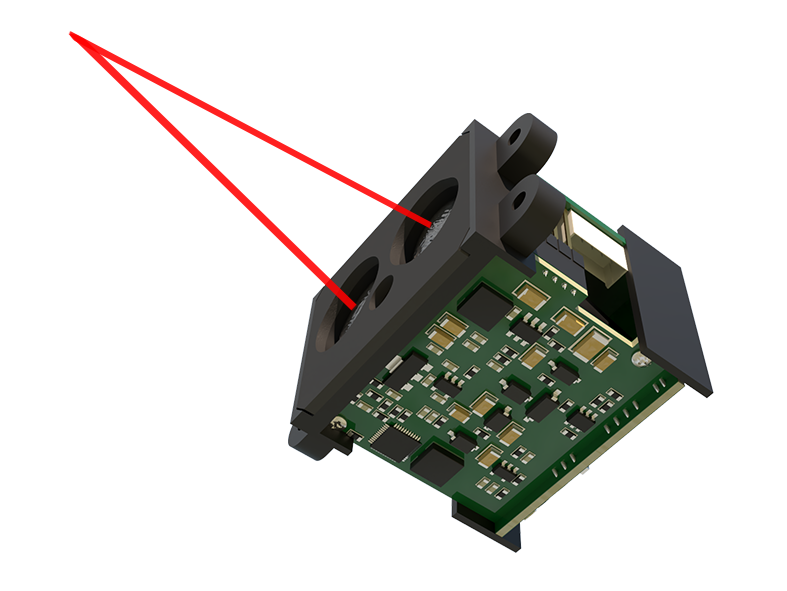
When selecting a laser sensor, engineers must consider factors such as measurement range, resolution, environmental conditions (e.g., dust, temperature), and output interfaces. Modern sensors often integrate smart features like Ethernet connectivity or IoT compatibility, allowing seamless data integration into industrial networks. Regular calibration and maintenance are essential to sustain accuracy, as contamination or misalignment can degrade performance.
As technology advances, laser sensors continue to evolve with innovations like blue laser technology for enhanced visibility on reflective surfaces, and miniaturized designs for compact applications. Their role in Industry 4.0 is expanding, driving efficiency and precision in an increasingly automated world.