In the realm of industrial automation and machine control, proximity switch sensor receivers are fundamental components, silently ensuring precision, safety, and efficiency. Unlike the sensor itself, which is often the focus, the receiver is the critical interpreter, translating the sensor's signal into a reliable, actionable command for a PLC, controller, or other logic system. This article delves into the operational principles, key specifications, selection criteria, and application best practices for these indispensable devices.
At its core, a proximity sensor receiver is an electronic circuit designed to detect the presence or absence of a signal from an associated proximity sensor, typically an inductive, capacitive, or photoelectric type. The primary function is to convert the high-frequency oscillation change (in inductive sensors) or light beam interruption (in photoelectric sensors) into a clean, digital ON/OFF output. Modern receivers often feature built-in amplifiers, making them integral to 2-wire, 3-wire, or 4-wire sensor systems. In a typical setup, the sensor detects a target, and its internal oscillator is damped or its receiver circuit is triggered. This minute change is processed by the receiver's amplifier, which then switches a solid-state output (like a transistor) or an electromechanical relay to provide a stable voltage signal indicative of the target's presence.
Key specifications define a receiver's performance and suitability for an application. Output Type is paramount: PNP (sourcing) and NPN (sinking) transistor outputs are standard for DC circuits, dictating how the load is connected. Relay outputs offer isolation and the ability to switch AC or DC loads but have slower response times and mechanical lifespan limits. Supply Voltage range (e.g., 10-30V DC) must be compatible with the plant's control voltage. Switching Capacity (the maximum current/voltage the output can handle) must not be exceeded by the connected load. Response Time, measured in milliseconds or microseconds, determines how quickly the receiver can react to a changing sensor signal, crucial for high-speed applications. Hysteresis is a vital feature that prevents output chattering when a target is at the exact detection threshold, ensuring a stable signal. Finally, Protection Ratings like IP67 for ingress protection against dust and water, and built-in safeguards against short-circuit, reverse polarity, and overload are essential for rugged industrial environments.
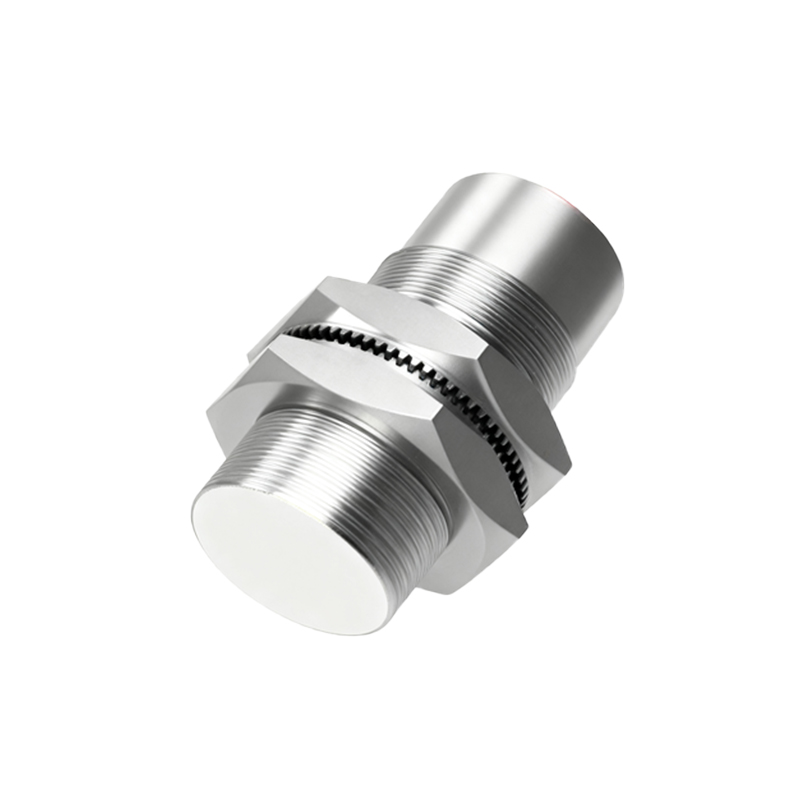
Selecting the right receiver requires a systematic approach. First, match the receiver to the sensor type and its output signal characteristics. Second, analyze the load requirements of the downstream device (e.g., a PLC input module). A common mistake is connecting a PNP sensor output to an NPN-designed PLC input, resulting in incompatibility. Third, consider the electrical noise environment. Facilities with heavy motor drives, welders, or RF equipment necessitate receivers with excellent EMC (Electromagnetic Compatibility) and noise immunity. For applications involving multiple sensors in close proximity, look for models with Anti-Cross-Talk technology to prevent mutual interference. In safety-critical functions, such as guarding a hazardous machine area, specially certified safety relay modules, not standard receivers, must be employed.
Installation and wiring practices significantly impact reliability. Always follow the manufacturer's datasheet for wiring diagrams. Use shielded cables for long runs, especially in noisy environments, and ground the shield properly at one end only—typically the control panel end. Maintain adequate separation between power cables and sensor signal cables to minimize inductive coupling. Ensure tight connections to prevent intermittent faults. For diagnostic purposes, many modern receivers feature LED indicators for power and output status, which are invaluable for troubleshooting.
In practice, these components are ubiquitous. On a packaging line, a photoelectric sensor and its receiver count bottles, ensuring correct fill levels. In automotive assembly, an inductive proximity receiver confirms the precise positioning of a robotic arm or the presence of a metal component. Within a CNC machine, receivers monitor tool position and workpiece clamping. Their robustness allows them to function in extreme conditions, from the oily, vibrating floor of a stamping plant to the washdown environments of food and beverage processing.
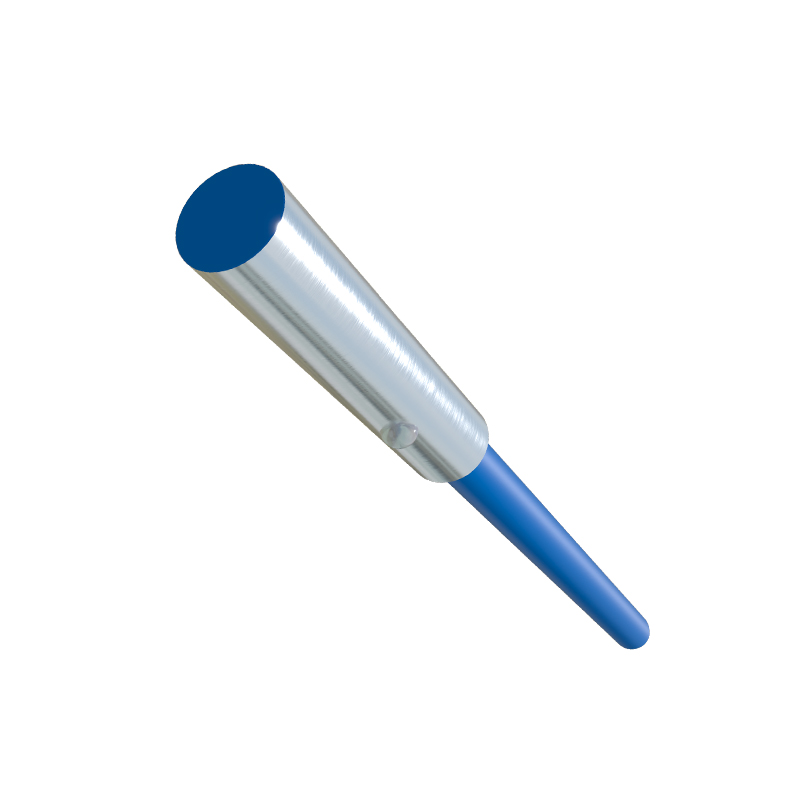
In conclusion, the proximity switch sensor receiver is far more than a simple pass-through device. It is a sophisticated interface that conditions, amplifies, and delivers a robust control signal. A deep understanding of its parameters—output configuration, switching capacity, response dynamics, and environmental robustness—enables engineers to design control systems that are not only functional but also resilient and maintainable. Specifying the correct receiver, paired with proper installation, minimizes downtime, enhances system performance, and contributes significantly to the overall reliability of modern automated processes. As technology advances, we see trends towards miniaturization, IO-Link digital communication for advanced