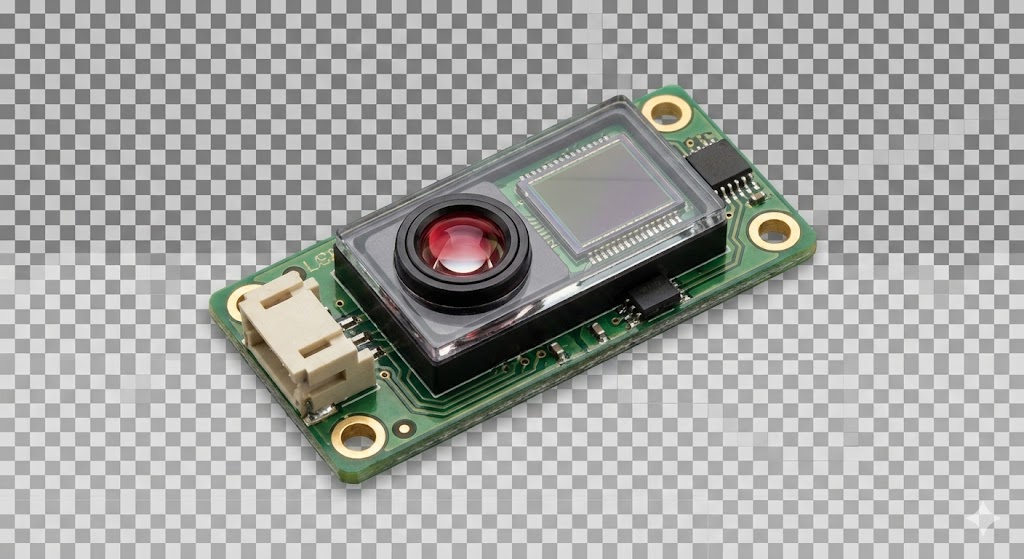
Laser sensors represent a cornerstone technology in modern industrial automation, measurement, and control systems. Their ability to provide non-contact, high-precision, and high-speed detection makes them indispensable across a vast array of sectors. This comprehensive guide delves into the fundamental principles, diverse types, key applications, and critical selection criteria for laser sensors.
At its core, a laser sensor operates by emitting a focused beam of coherent light—typically from a laser diode—towards a target. The sensor then detects the interaction of this beam with the target. The specific method of detection defines the primary operating principles. The most common types include time-of-flight (ToF), triangulation, and confocal measurement.
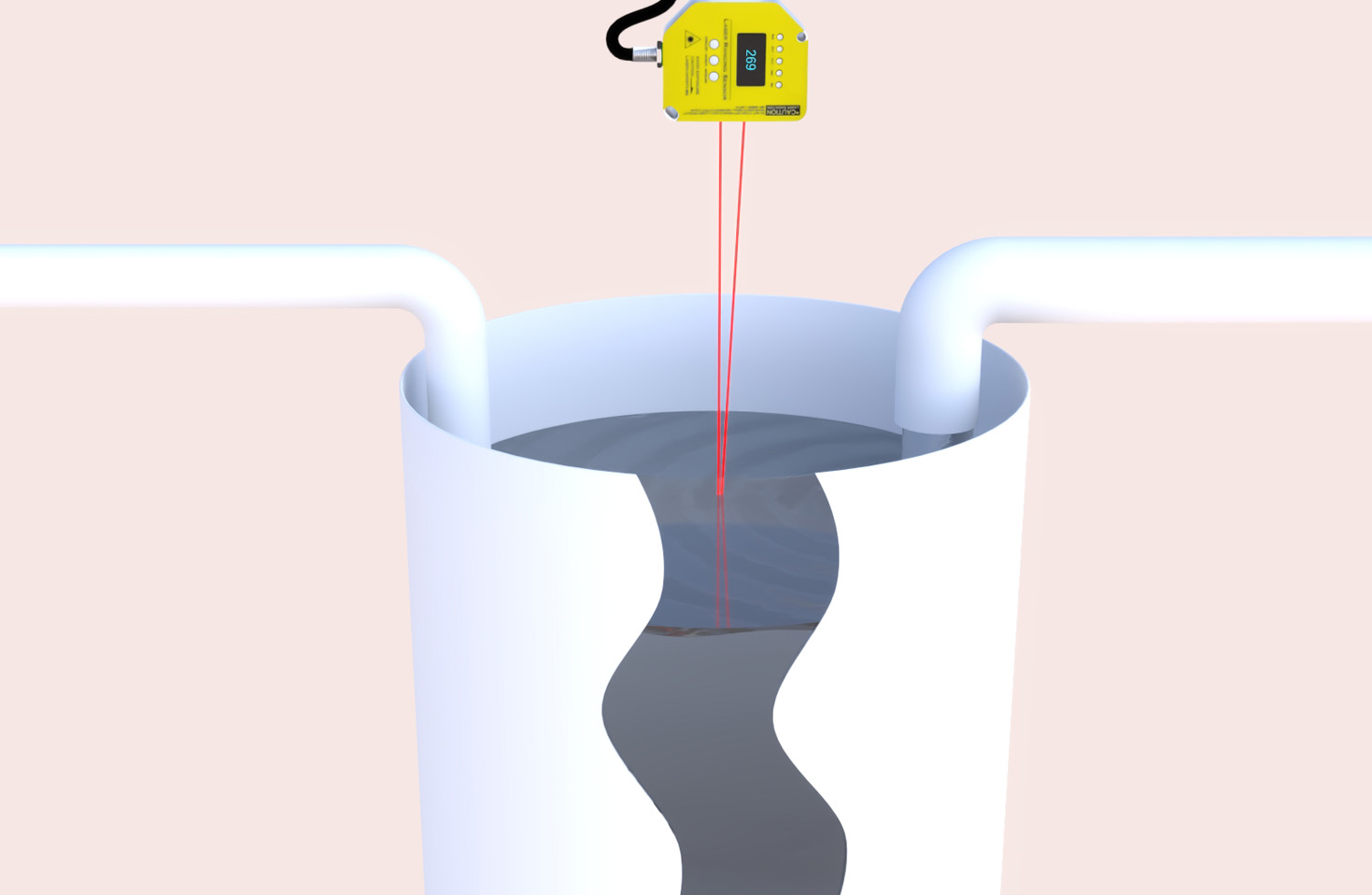
Time-of-Flight (ToF) laser sensors measure the time it takes for a laser pulse to travel to the target and back. By knowing the speed of light, the sensor's internal processor calculates the distance with remarkable accuracy. These sensors are ideal for long-range measurements, often up to several hundred meters, and are widely used in applications like vehicle LiDAR, bulk level monitoring in silos, and large-scale 3D scanning.
Triangulation laser sensors, on the other hand, are the gold standard for short to medium-range, high-precision measurements. Here, the laser emitter, the reflected spot on the target, and the receiving element (usually a Position Sensitive Detector or CMOS array) form a triangle. A change in the target's distance causes the reflected spot to shift position on the receiver. This displacement is analyzed to determine the exact distance. They excel in tasks requiring micron-level resolution, such as inspecting component thickness, surface profile scanning, and precise positioning in assembly robots.
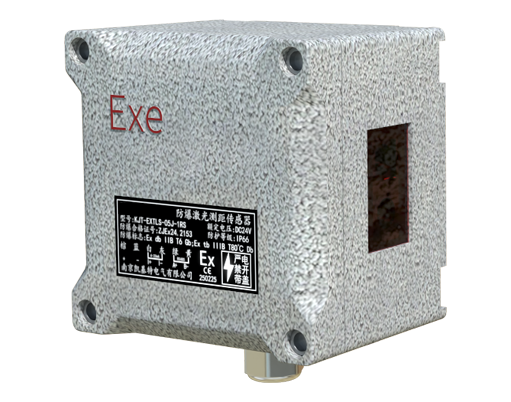
Confocal chromatic sensors utilize a different principle, where white light is focused onto the target through a multi-lens optical system. Only a specific wavelength (color) is precisely in focus at a given working distance. The reflected light is analyzed spectroscopically, and the dominant wavelength correlates directly to the distance. This technology is exceptionally robust against varying surface colors, materials, and angles, making it perfect for measuring transparent objects (like glass thickness), shiny surfaces, and complex biological samples.
Beyond distance measurement, laser sensors are configured for myriad other detection modes. Through-beam sensors consist of separate emitter and receiver units; an object is detected when it interrupts the beam. This mode offers the longest sensing ranges and high reliability for presence detection. Retro-reflective sensors use a single unit that emits a beam towards a reflector; detection occurs when the beam is blocked. Diffuse reflective (or proximity) sensors are self-contained, detecting the light reflected directly from the target itself, with sensing distance dependent on the target's color and surface properties.
The applications of laser sensors are virtually limitless. In factory automation, they are used for precise object counting, fill level control, robotic guidance, and weld seam tracking. In the electronics industry, they measure component lead coplanarity, inspect solder paste height, and align circuit boards. The automotive sector relies on them for body-in-white gap and flush measurement, brake disc thickness monitoring, and adaptive cruise control systems. Furthermore, they play critical roles in logistics (parcel dimensioning), aerospace (component profiling), and medical technology (non-invasive diagnostics).
Selecting the right laser sensor requires careful consideration of several parameters. The primary specification is the measuring range or sensing distance, which must suit the application. Resolution and repeatability define the sensor's precision—micron or even sub-micron levels are available. The response time or sampling rate is crucial for high-speed production lines. Environmental factors are paramount; sensors may need specific ingress protection (IP) ratings against dust and water, robust housings for mechanical shock, and specialized filters to operate in ambient light or high-temperature conditions. The output signal type (analog voltage/current, digital IO, Ethernet-based fieldbus) must be compatible with the host controller.
In conclusion, laser sensors are powerful, versatile tools that drive efficiency, quality, and innovation. Understanding their underlying technologies—from ToF and triangulation to confocal principles—is essential for matching the right sensor to the task. By meticulously evaluating requirements for range, precision, speed, and environmental durability, engineers can leverage laser sensing technology to solve complex measurement and detection challenges, pushing the boundaries of what is possible in automation and beyond.