Proximity switch sensors are indispensable components in modern industrial automation, offering non-contact detection of metallic and non-metallic objects. This visual guide compiles a comprehensive collection of proximity sensor images, categorized by type, application, and technical specifications, to assist engineers in selection, installation, and troubleshooting.
The first category showcases inductive proximity sensors, designed primarily for metal detection. High-resolution images display various housing styles, including cylindrical (e.g., M8, M12, M18, M30 threaded barrels), rectangular, and flat-pack designs. Close-up shots highlight key features such as sensing faces, LED status indicators, cable or connector variants (like M8, M12 connectors), and IP ratings (IP67, IP69K) for environmental protection. Diagrams illustrate the sensing ranges and typical detection distances for ferrous and non-ferrous metals.
Next, capacitive proximity sensor images are presented, capable of detecting both metallic and non-metallic materials like liquids, plastics, and wood. The visuals emphasize the adjustable sensitivity potentiometers, shielded and unshielded versions, and their typical use in level detection or material presence sensing. Comparative images show the physical differences between inductive and capacitive models, focusing on the sensor face material and housing markings.
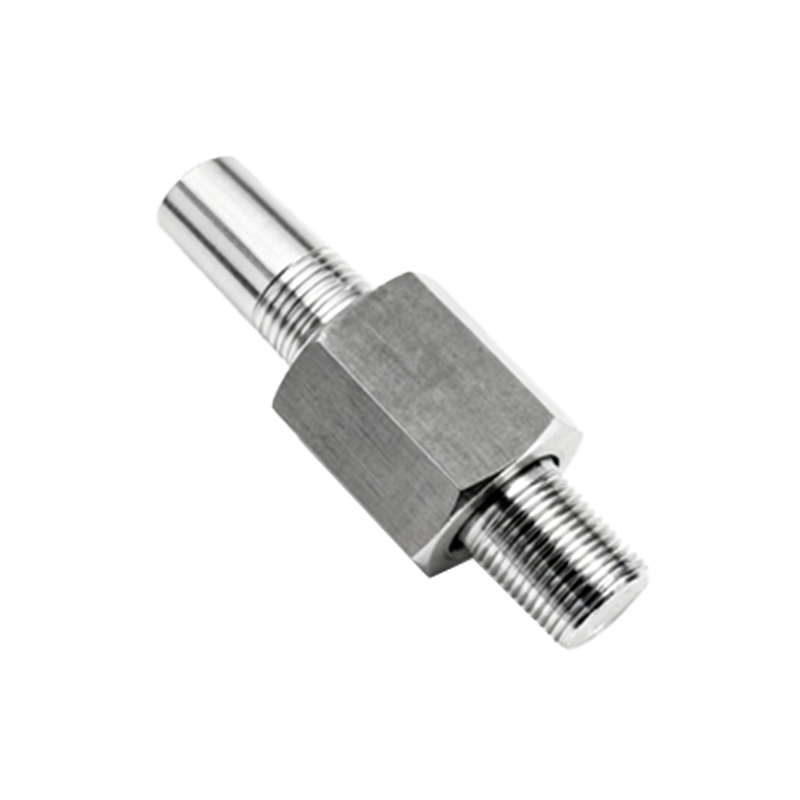
Ultrasonic proximity sensors form another critical segment. Images depict sensors with separate transmitter and receiver elements or compact built-in versions. Technical diagrams accompany these, explaining the sound cone angle, blind zones, and effective range. Real-world application photos demonstrate their use in transparent object detection, distance measurement, and complex environmental conditions where other technologies may fail.

Photoelectric sensors, while often categorized separately, are included here for their proximity-mode operation (diffuse reflective types). The collection features through-beam, retro-reflective, and diffuse reflective models. Images detail the lens types, alignment indicators, and housing designs suitable for harsh environments. Wiring diagrams and output configuration schematics (NPN/PNP, NO/NC) are provided as overlays on product images for clarity.
Specialized proximity switches are also covered. This includes analog output sensors (4-20mA, 0-10V) shown with graphical output curves, high-temperature sensors with thermal shielding, and weld-field immune models designed for robotic welding cells. Exploded-view images reveal internal components like coils, oscillator circuits, and output transistors, offering insights into construction and repair.
The application gallery is a practical resource. It contains installed sensor images across industries: automotive assembly lines detecting pistons, packaging machinery sensing labels, conveyor systems counting bottles, and CNC machines monitoring tool presence. Each image is annotated with installation tips, such as proper mounting distances, avoidance of mutual interference, and grounding practices.
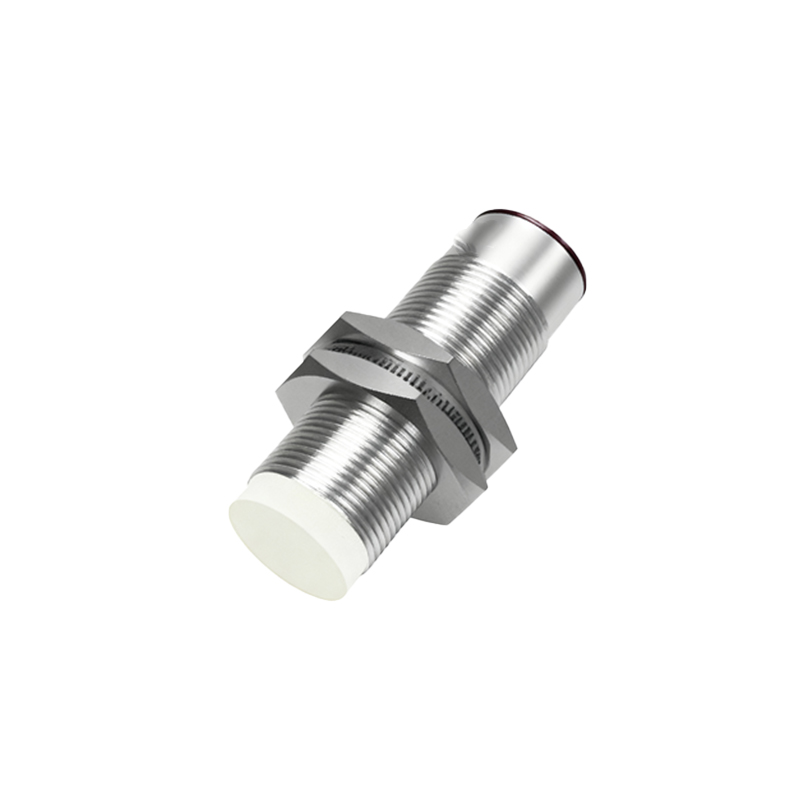
Finally, the guide presents comparison charts in visual form. Side-by-side images illustrate size differences between M8 and M12 sensors, material contrasts (stainless steel vs. nickel-plated brass housings), and output indicators (2-wire, 3-wire, 4-wire). Troubleshooting images show common issues like sensor wear, electrical noise interference patterns on oscilloscope readouts, and incorrect mounting leading to reduced sensing distance.
This curated image collection serves as a technical reference, enabling engineers to visually identify sensor types, understand specifications from physical traits, and design robust automation systems. All images emphasize clarity, with scale indicators and technical annotations to bridge the gap between catalog data and real-world implementation.