Inductive proximity sensors are indispensable components in modern industrial automation, particularly in pneumatic systems. These non-contact sensors detect the presence of metallic objects—such as the piston within a pneumatic cylinder—by generating an electromagnetic field. When a metal target enters this field, it induces eddy currents, causing a change in the sensor's oscillation amplitude. This change triggers a switching signal, enabling precise position detection without physical contact.
In pneumatic cylinder applications, inductive proximity sensors are commonly used for end-position sensing. They monitor whether the piston rod is fully extended or retracted, ensuring accurate control over cylinder movement. This capability is critical for sequencing operations, safety interlocks, and feedback in automated processes. For instance, in packaging machinery, these sensors confirm that a cylinder has completed its stroke before initiating the next step, preventing jams or misalignments.
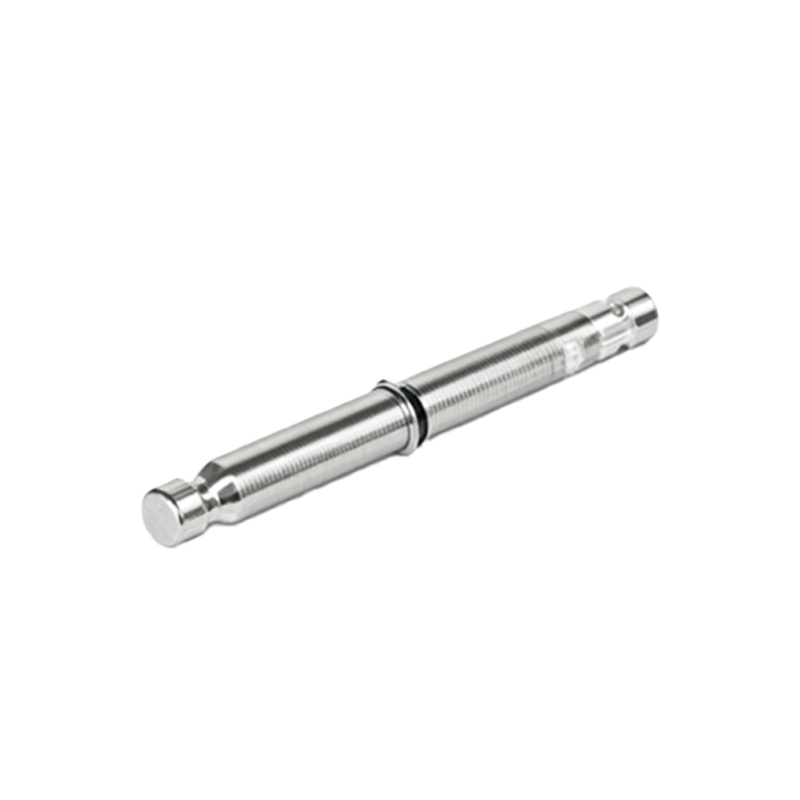
Selecting the right inductive sensor for a pneumatic cylinder involves several considerations. First, the sensing distance must be appropriate for the cylinder's design—common ranges include 2mm, 4mm, or 8mm. Cylinder manufacturers often embed sensor slots or grooves to facilitate mounting. Second, the sensor's housing material should withstand industrial environments; stainless steel or nickel-plated brass housings offer resistance to oils, coolants, and mechanical impacts. Third, output types (e.g., PNP or NPN) must match the control system's requirements. PNP (sourcing) sensors are prevalent in Europe, while NPN (sinking) sensors are common in North America and Asia.
Installation and alignment are crucial for reliable operation. Sensors should be mounted securely to avoid vibration-induced displacement. The target area—typically the piston's magnetic or metallic band—must pass within the sensor's effective sensing range. For cylinders with non-magnetic stainless steel bodies, sensors with extended ranges or specialized designs may be necessary. Regular maintenance, such as checking for debris accumulation or electrical connections, ensures longevity and accuracy.
Advancements in inductive sensor technology have enhanced their performance in pneumatic systems. Modern sensors feature improved noise immunity, allowing stable operation near frequency converters or welding equipment. Some models incorporate IO-Link communication, enabling digital parameterization and diagnostics. This smart functionality permits remote adjustment of switching points or output delays, reducing downtime during setup or changeovers.
Despite their robustness, inductive sensors have limitations. They only detect metallic objects, making them unsuitable for non-metal targets. Additionally, extreme temperatures or aggressive chemicals may affect performance. Engineers must consult datasheets for specifications like operating temperature (-25°C to 70°C typical) and ingress protection ratings (e.g., IP67 for dust and water resistance).
In summary, inductive proximity sensors provide a reliable, maintenance-free solution for position sensing in pneumatic cylinders. Their ability to operate in harsh conditions, coupled with evolving smart features, makes them a cornerstone of efficient automation. By understanding selection criteria and installation best practices, engineers can optimize system performance and ensure seamless integration into industrial applications.