In the realm of industrial automation and precision measurement, laser sensors have become indispensable tools. Their ability to provide non-contact, high-accuracy detection for tasks ranging from object positioning to thickness measurement is unparalleled. However, a critical aspect that demands rigorous attention is laser sensor radiation. This article delves into the nature of this radiation, associated safety considerations, regulatory standards, and essential best practices for engineers and technicians working with these devices.
Laser sensors operate by emitting a focused beam of light—coherent, monochromatic, and highly directional. This beam is a form of optical radiation, specifically within the electromagnetic spectrum. The primary safety concern stems from the beam's potential to cause injury, primarily to the eyes and skin. Unlike diffuse ambient light, a laser's concentrated energy can be hazardous even at relatively low power levels if viewed directly or through reflective surfaces. The specific risks are categorized based on the laser's classification system, which is a fundamental framework for understanding radiation hazards.
The International Electrotechnical Commission (IEC) standard 60825-1, widely adopted globally including by the U.S. Food and Drug Administration (FDA), classifies lasers into several classes based on their potential to cause biological damage. For industrial laser sensors, common classifications include:
- Class 1: Safe under all conditions of normal use. The laser radiation is contained within an enclosure. No safety measures are required.

- Class 2: Low-power visible lasers (typically 1 mW or less). The human blink reflex (aversion response) usually provides adequate protection against accidental short-term exposure.
- Class 3R: Low-risk lasers with power levels 1-5 times the Class 1 limit for invisible radiation, or 5 times the Class 2 limit for visible radiation. While potentially hazardous if viewed directly, the risk is lower than for Class 3B.
- Class 3B: Hazardous if the eye is exposed directly or via specular reflection. Diffuse reflections are usually safe. Strict control measures, including safety interlocks and designated laser areas, are mandatory.
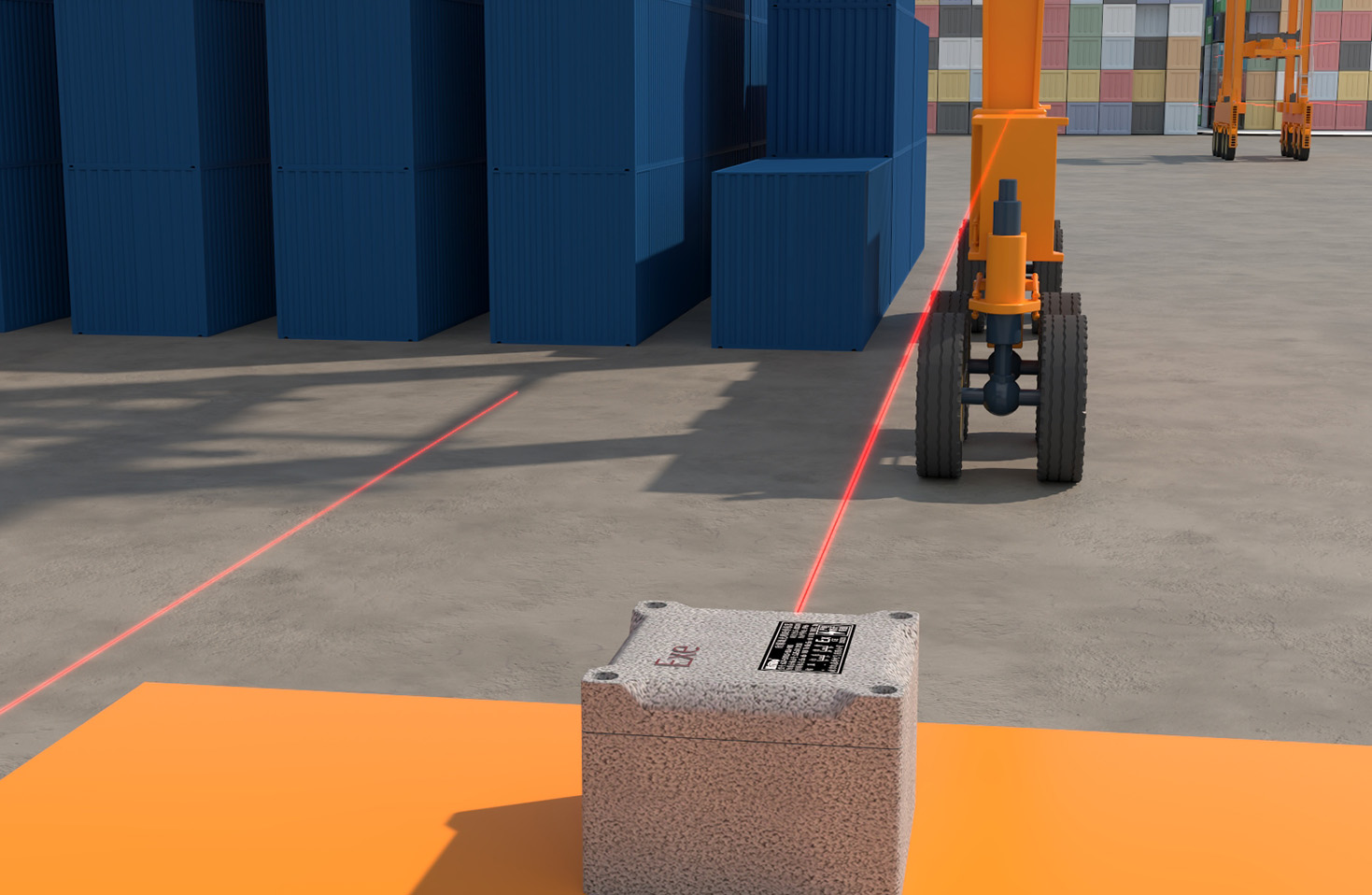
- Class 4: High-power lasers that can cause skin injuries and pose a significant fire hazard. Both direct and diffuse reflections are dangerous. Stringent engineering and administrative controls are essential.
Most industrial laser sensors for distance measurement or presence detection are designed as Class 1 or Class 2 devices when the laser is fully integrated into a machine or safety-rated housing. However, during installation, maintenance, or if the housing is compromised, access to a higher-classified beam is possible. Therefore, a comprehensive hazard assessment is the cornerstone of safety.
Key elements of a laser safety program for sensor applications include:
1. Engineering Controls: The first line of defense. This involves using protective housings, beam shutters, key-controlled switches, and proper labeling with the correct laser classification warning symbol. Ensuring the beam path is terminated safely and is not incident on reflective surfaces is crucial.
2. Administrative Controls: Establishing standard operating procedures (SOPs) for installation, alignment, and service. This includes designating and posting "Laser Controlled Areas" for higher-class lasers, and ensuring only trained, authorized personnel have access. A Nominal Ocular Hazard Distance (NOHD) calculation should be performed to define the safe perimeter.
3. Personal Protective Equipment (PPE): Used when engineering and administrative controls cannot fully mitigate the risk. For laser radiation, this primarily means laser safety eyewear with optical density (OD) ratings specific to the laser's wavelength and power. Regular inspection of PPE for damage is vital.
4. Training and Awareness: All personnel who may work near laser sensors must receive appropriate training on the specific hazards, the meaning of warning labels, and emergency procedures. This fosters a culture of safety.
Beyond immediate human safety, laser sensor radiation can interfere with other optical systems. In environments with multiple sensors or other sensitive equipment, careful planning of beam paths and frequencies can prevent crosstalk and ensure system integrity.
From a compliance perspective, engineers must ensure that the laser sensor product itself is certified to relevant standards (like IEC 60825-1) and that its integration into a larger machine complies with overarching machinery safety directives, such as the EU's Machinery Directive 2006/42/EC. Documentation, including the Laser Safety Data Sheet from the manufacturer, must be maintained.
In conclusion, laser sensors offer tremendous technological benefits, but their radiation output is a serious hazard that must be managed with professional diligence. By understanding the classification system, implementing a hierarchy of controls—prioritizing engineered safety—and adhering to international standards, engineers can harness the power of laser sensing technology while ensuring a safe working environment. Continuous education and a proactive approach to risk assessment are non-negotiable components of responsible practice in the modern electrical and automation engineering fields.