Proximity sensors are indispensable components in modern industrial automation, providing non-contact detection of metallic or non-metallic objects. Their correct installation is paramount to ensuring system reliability, accuracy, and longevity. This guide details the critical considerations for determining the optimal installation locations for various proximity sensor types, including inductive, capacitive, and ultrasonic sensors.
The primary factor influencing installation site selection is the sensor's operating principle. Inductive proximity sensors, designed to detect metallic objects, must be positioned within their specified sensing range but with a crucial safety margin. A common mistake is mounting the sensor at its maximum nominal range. For consistent operation, install it so the target approaches within 70-80% of its rated sensing distance. This accounts for variables like temperature fluctuations, voltage tolerances, and target material composition. The sensor face should be parallel to the target surface, and installation must avoid areas with heavy accumulation of metallic dust or chips, which can cause false triggering or shielding.
For capacitive sensors, which detect a wider range of materials including liquids, plastics, and granular substances, the installation environment is even more critical. These sensors are sensitive to changes in the dielectric constant of their surroundings. Therefore, they should not be mounted in direct contact with or extremely close to non-target materials. For example, when monitoring liquid levels in a non-metallic tank, the sensor should be mounted on the exterior wall or in a dedicated chamber, ensuring the tank wall thickness is within the sensor's penetration capability. Avoid mounting near moving air streams or areas with rapidly changing humidity, as these can affect the dielectric field.
Ultrasonic sensors use sound waves for detection and require a clear "acoustic path." The installation point must be free from obstructions and soft, sound-absorbing materials like foam or fabric between the sensor and target. Angled mounting on conveyor frames to detect package height is a typical application. Crucially, the sensor should be positioned to avoid "acoustic interference" from nearby reflective surfaces, such as machine walls or parallel beams, which can create multiple echoes. Maintaining a minimum clearance—often 2-3 times the sensor's beam width—from such surfaces is essential.
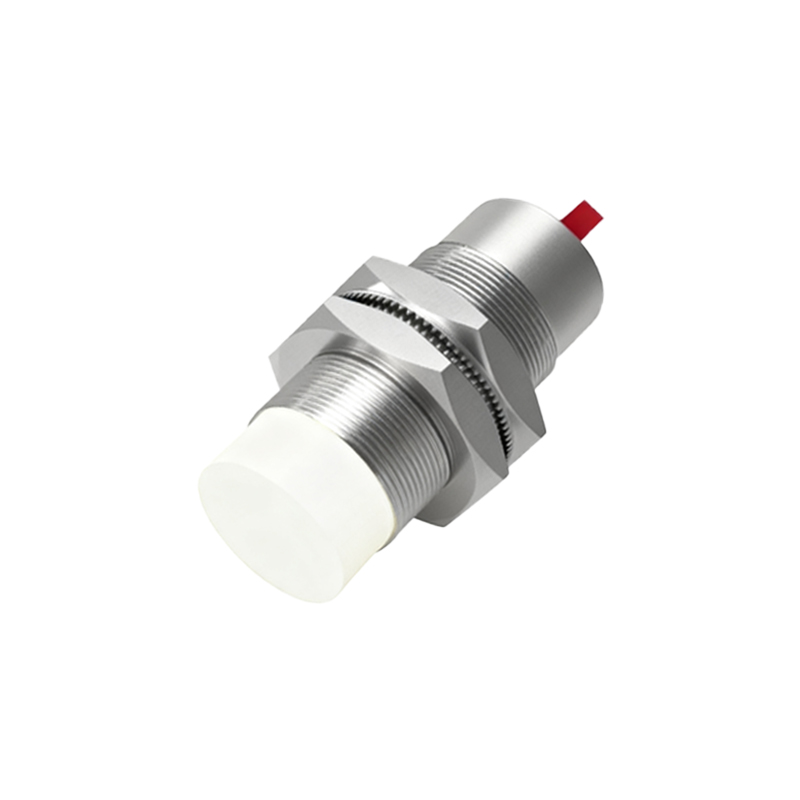
Beyond sensor type, mechanical considerations are vital. Sensors must be securely mounted to withstand vibration, shock, and incidental contact. Use appropriate brackets or mounting nuts, ensuring the sensor body is not subjected to torsional stress. In applications involving linear or rotary motion, such as on cylinder bodies or for detecting gear teeth, ensure the target's path is consistent and repeatable. For cylinder mounting, the sensor is typically fixed to the cylinder body, and the target (often a magnet or a metallic piston ring) moves within its sensing field.
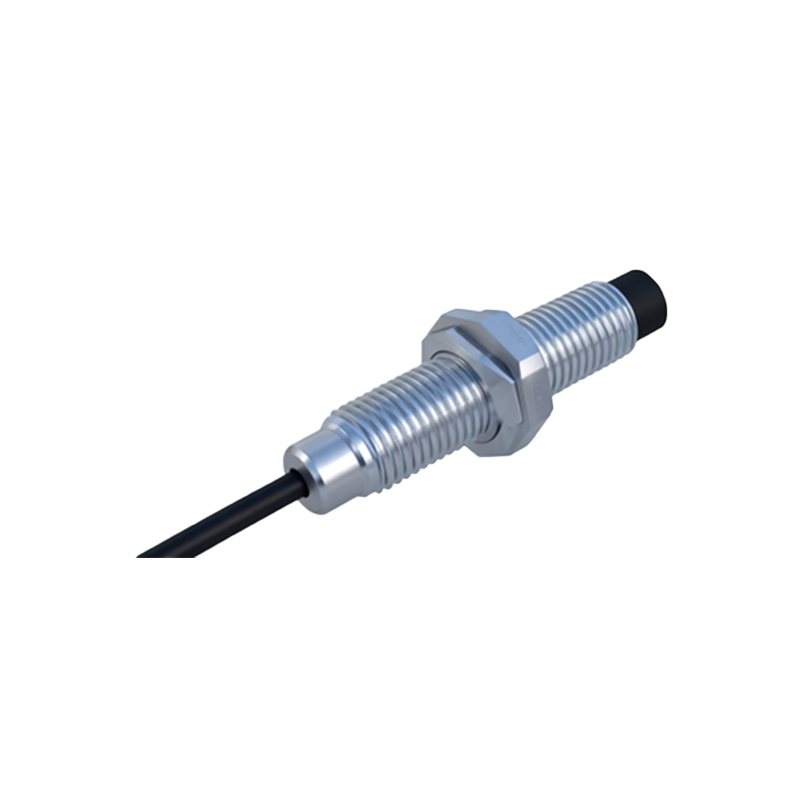
Electrical and environmental factors also dictate location. Always route sensor cables away from high-voltage power lines, motor drives, and welding equipment to prevent electromagnetic interference (EMI). In washdown or outdoor environments, select sensors with appropriate IP (Ingress Protection) ratings and mount them in a manner that prevents liquid pooling around the housing. For high-temperature applications, install sensors away from direct heat sources like ovens or exhausts, considering both ambient temperature and the potential heat radiation from the detected object.
A systematic approach involves: 1) Defining the detection target (material, size, shape). 2) Selecting the sensor technology. 3) Simulating or mapping the target's path to identify stable detection points. 4) Ensuring physical clearance for the sensor body and its cable. 5) Verifying the absence of environmental interferents (other metals, dust, noise, fluids). 6) Performing post-installation testing across all expected operating conditions, including voltage extremes and temperature ranges.
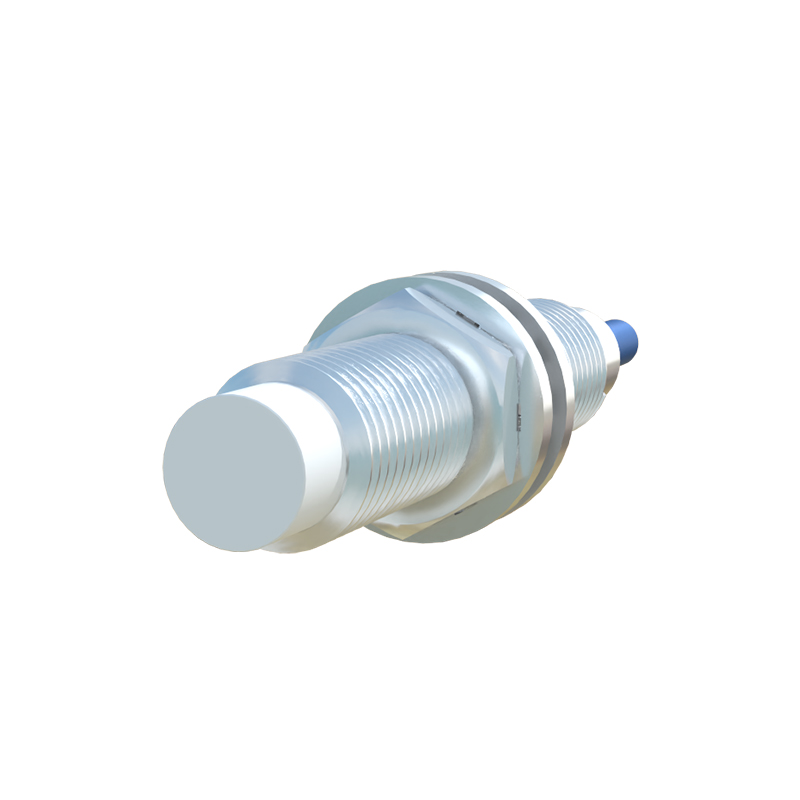
In summary, the optimal installation location is not merely where the sensor fits, but where it can operate reliably within its specified technical parameters, shielded from physical, electrical, and environmental disturbances. Proper placement, grounded in an understanding of the sensor's technology and the application's demands, is the foundation of a robust and maintenance-free sensing solution.