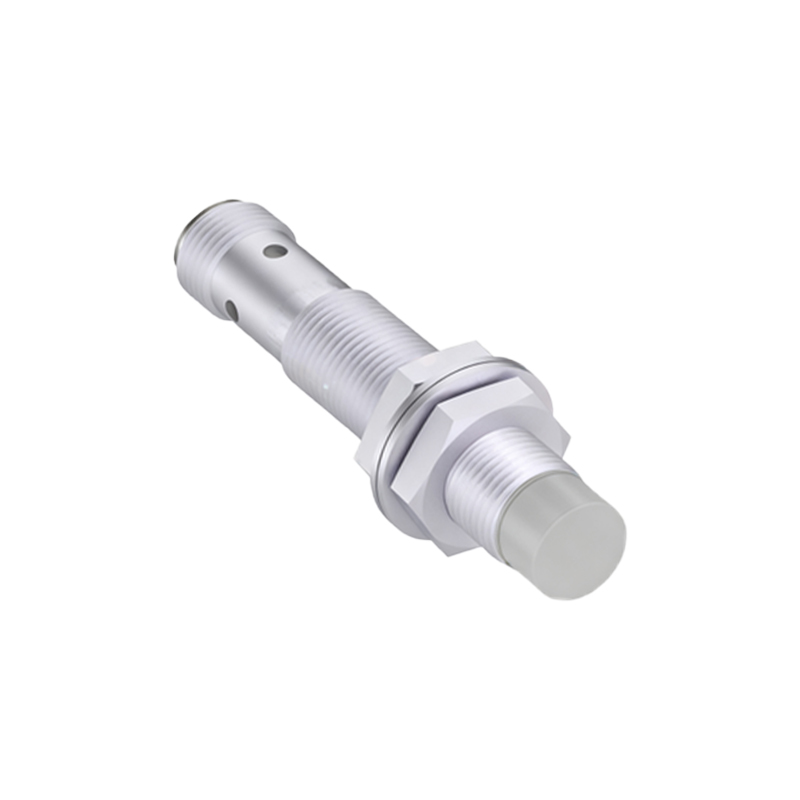
In the realm of industrial automation and machinery, proximity sensors play a critical role in detecting the presence or absence of objects without physical contact. These devices, utilizing technologies such as inductive, capacitive, or ultrasonic principles, are integral to safety, efficiency, and precision in manufacturing processes. However, their deployment within the European Economic Area (EEA) mandates compliance with CE certification—a legal requirement that signifies conformity with health, safety, and environmental protection standards. This article delves into the essentials of CE certification for proximity sensors, outlining its significance, key directives, and practical steps for engineers and manufacturers.
CE certification is not merely a label but a comprehensive framework governed by EU directives. For proximity sensors, the most relevant directives include the Electromagnetic Compatibility (EMC) Directive 2014/30/EU and the Low Voltage Directive (LVD) 2014/35/EU. The EMC Directive ensures that sensors do not emit excessive electromagnetic interference that could disrupt other equipment, while also being immune to interference from external sources. This is crucial in industrial settings where multiple electronic devices operate simultaneously, and sensor malfunctions could lead to production halts or safety hazards. The LVD, on the other hand, addresses electrical safety, covering risks like electric shock, fire, or mechanical dangers arising from voltage ranges of 50–1000 V AC or 75–1500 V DC. Proximity sensors often fall within these ranges, necessitating rigorous testing for insulation, temperature resistance, and durability under operational stress.
Beyond EMC and LVD, proximity sensors used in machinery may also need to comply with the Machinery Directive 2006/42/EC, which emphasizes integrated safety features. For instance, sensors employed in safety-critical applications—such as emergency stop systems or guard monitoring—must meet additional requirements under the Machinery Directive to prevent accidents. Engineers must conduct a thorough risk assessment to determine applicable directives, as non-compliance can result in legal penalties, market withdrawal, or liability issues.
The certification process involves several steps, starting with a conformity assessment based on the sensor’s design and intended use. Manufacturers must perform or commission tests in accredited laboratories to verify compliance with harmonized European standards (e.g., EN 60947-5-2 for proximity switches). These standards provide technical specifications for performance, marking, and documentation. Upon successful testing, a technical file is compiled, containing design drawings, test reports, risk analyses, and user manuals. For high-risk sensors, involvement of a notified body—an independent organization designated by EU authorities—may be required to issue an EC-type examination certificate.
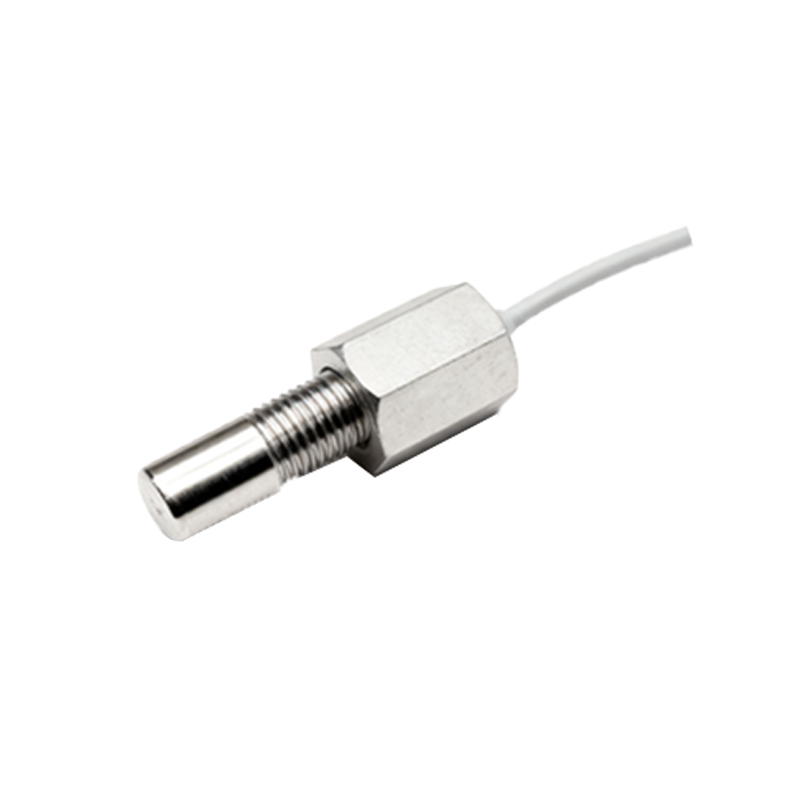
Once conformity is established, the CE mark is affixed to the sensor or its packaging, accompanied by a Declaration of Conformity (DoC) signed by the manufacturer or authorized representative. The DoC lists the applied directives and standards, serving as a legal commitment. It is essential to maintain this documentation for at least ten years after the product’s market entry, as authorities may request it for verification.
From an engineering perspective, designing CE-compliant proximity sensors involves careful consideration of components, circuitry, and environmental factors. For example, using shielded cables and filters can mitigate EMC issues, while robust enclosures with appropriate Ingress Protection (IP) ratings enhance safety against dust and moisture. Additionally, software-based diagnostics in smart sensors should be validated to ensure reliable operation. Industry best practices include early engagement with certification experts during the R&D phase to avoid costly redesigns later.
In conclusion, CE certification for proximity sensors is a non-negotiable aspect of market access in Europe, underpinning product credibility and user trust. By adhering to relevant directives and standards, manufacturers not only fulfill legal obligations but also contribute to safer, more efficient industrial ecosystems. As technology evolves—with trends like IoT integration and miniaturization—staying updated on regulatory changes remains paramount for engineers driving innovation in the sensor industry.