In the rapidly evolving landscape of industrial automation, the demand for precise, reliable, and versatile sensing solutions continues to grow. Among the critical components enabling this progress are non-metallic miniature proximity sensors. These devices represent a significant advancement over traditional metallic-housed sensors, offering unique advantages in challenging environments and specialized applications. This article delves into their operating principles, key characteristics, and the diverse sectors where they are indispensable.
Fundamentally, a non-metallic miniature proximity sensor is a type of sensor that detects the presence or absence of an object within its sensing range without physical contact. The "non-metallic" designation primarily refers to the housing or body material, which is typically engineered from high-performance polymers such as PBT (Polybutylene Terephthalate), PPS (Polyphenylene Sulfide), or ceramic composites. This construction is a deliberate departure from standard metal (e.g., brass, stainless steel) housings. The "miniature" aspect denotes a compact form factor, often with diameters as small as M5, M8, or even M3, and lengths tailored for space-constrained installations.
The core sensing technology within these compact polymer bodies remains largely based on established principles: inductive, capacitive, or photoelectric sensing. Inductive sensors, the most common for detecting metallic objects, generate an electromagnetic field. When a metal target enters this field, it induces eddy currents, causing a change in the oscillation amplitude that is detected by the sensor's circuitry. Capacitive sensors can detect both metallic and non-metallic materials (liquids, plastics, wood) by measuring changes in capacitance caused by the target object altering the sensor's electrostatic field. Photoelectric sensors use a light beam (often infrared) and detect interruptions or reflections. The non-metallic housing is particularly crucial for capacitive and high-frequency inductive sensors, as it eliminates the "shielding" effect a metal housing would have on the generated field, ensuring optimal sensitivity and range.
The advantages of opting for a non-metallic, miniature design are multifaceted. First and foremost is chemical and corrosion resistance. Sensors housed in specialized plastics like PPS or PVDF (Polyvinylidene Fluoride) excel in harsh environments where exposure to aggressive chemicals, solvents, acids, or alkalis would rapidly degrade a metal housing. This makes them ideal for chemical processing, pharmaceutical manufacturing, and food & beverage applications. Secondly, they are inherently non-magnetic and electrically non-conductive. This property is critical in applications involving strong magnetic fields (e.g., MRI machines, maglev systems) or where electrical isolation is paramount to prevent interference or short-circuit risks. Thirdly, their lightweight nature reduces mechanical load on mounting fixtures, and their smooth polymer surfaces are often easier to clean, supporting higher hygiene standards.
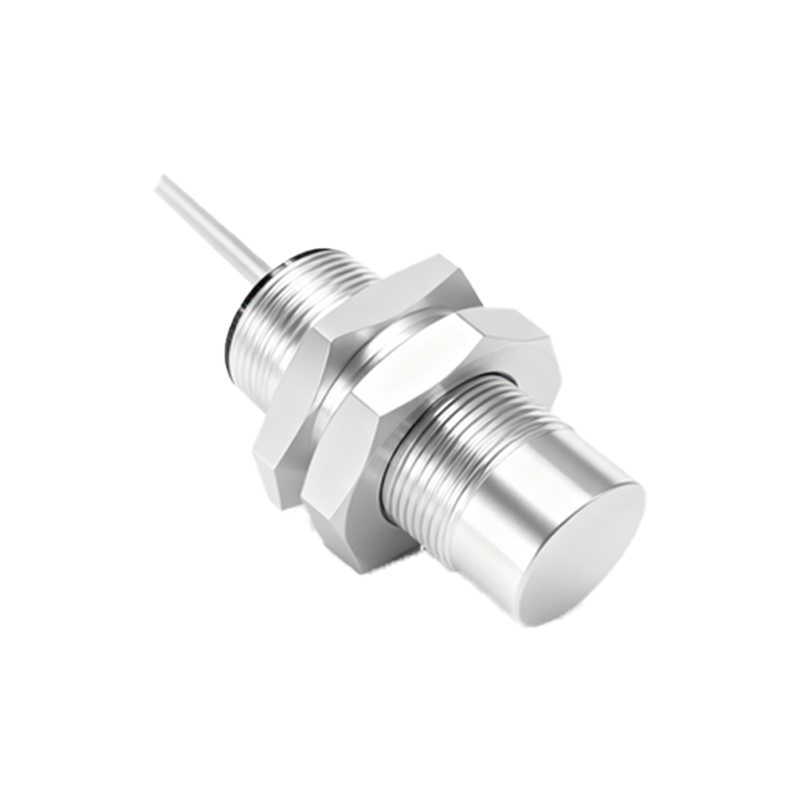
Furthermore, these sensors solve specific interference problems. In tightly packed control cabinets or machinery with dense wiring, metallic sensor bodies can sometimes cause capacitive coupling or crosstalk. Non-metallic bodies mitigate this risk. They also prevent "mutual interference" when multiple inductive sensors are mounted in close proximity; a metal housing can dampen the field of a neighboring sensor, reducing its effective range, whereas a polymer housing minimizes this effect.
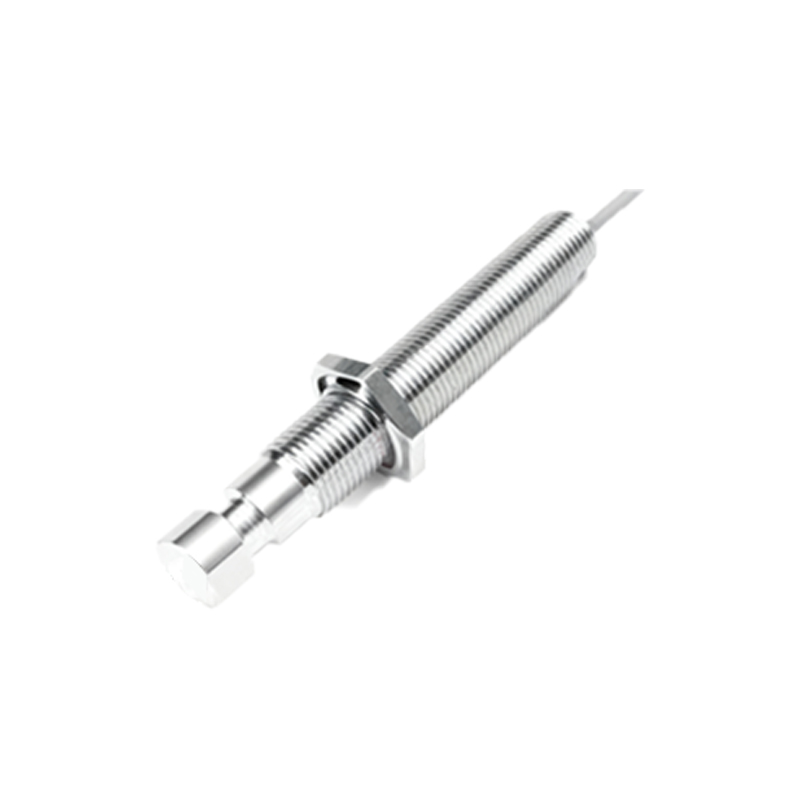
The application spectrum for non-metallic miniature proximity sensors is broad and expanding. Key industries include:
Food & Beverage and Pharmaceutical: Where stringent hygiene (washdown with caustic cleaners), corrosion resistance, and non-contaminating materials are required. Their smooth surfaces prevent bacterial buildup.
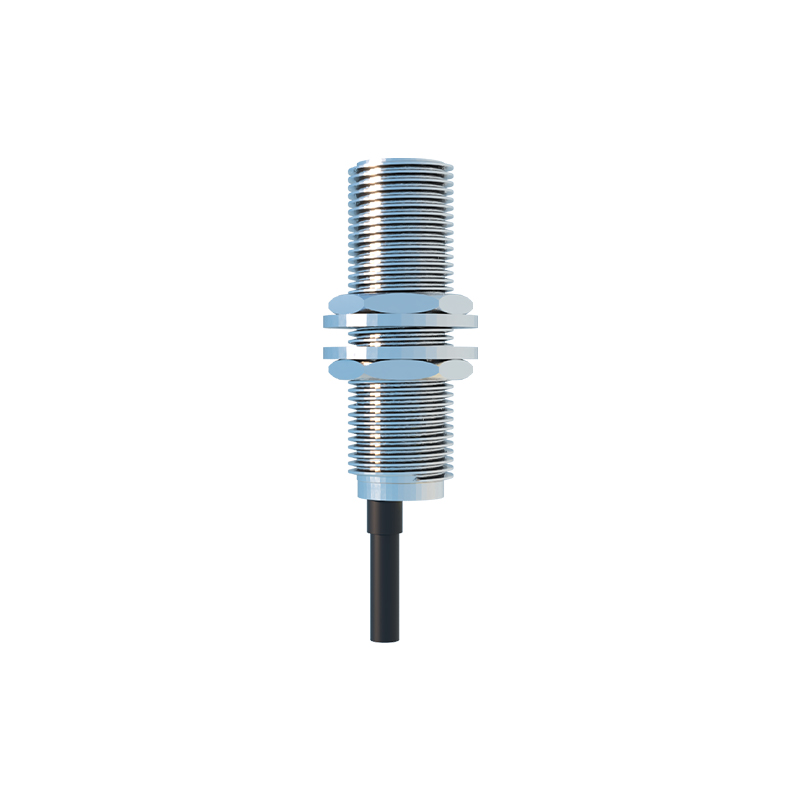
Semiconductor Manufacturing: In cleanrooms, where outgassing from metals or particulate generation is unacceptable, and where non-magnetic properties are essential.
Plastics and Packaging Machinery: For detecting non-metallic objects like plastic bottles, glass vials, or cardboard boxes using capacitive or photoelectric versions.
Medical Equipment: In devices like analyzers or dialysis machines where chemical resistance and reliable detection in compact spaces are needed.
Woodworking and Textile: Environments where conductive dust (metal) or fibrous materials could interfere with metallic sensors.
When selecting a non-metallic miniature proximity sensor, engineers must consider several parameters beyond just the housing material. The sensing distance (rated operating distance) is typically shorter for miniature models but must be sufficient for the application. Output configuration (PNP/NPN, NO/NC) must match the control system (PLC). Environmental ratings such as IP67, IP68, or IP69K for water and dust ingress protection are often critical. The temperature range of the polymer must withstand operational extremes. Finally, the specific target material dictates the choice between inductive, capacitive, or photoelectric technology housed within the non-metallic body.
In conclusion, non-metallic miniature proximity sensors are not merely niche alternatives but essential components driving innovation in modern industrial