DT laser sensors represent a significant advancement in non-contact measurement technology, offering unparalleled precision and reliability for industrial automation applications. These sensors utilize laser triangulation principles to accurately measure distance, displacement, thickness, and profile of various objects without physical contact. The core component is a laser diode that projects a focused beam onto the target surface. The reflected light is captured by a high-resolution CMOS or CCD array at a specific angle. By analyzing the position of the light spot on the sensor array, the device calculates the exact distance to the target with micron-level resolution. This method ensures high accuracy even for challenging surfaces, including shiny, dark, or transparent materials, thanks to advanced algorithms and adaptive signal processing.
One of the primary advantages of DT laser sensors is their exceptional speed and stability. Capable of performing thousands of measurements per second, they are ideal for high-speed production lines in industries such as automotive manufacturing, electronics assembly, and pharmaceuticals. For instance, in automotive quality control, these sensors verify the precise dimensions of engine components, ensuring compliance with strict tolerances. In electronics, they measure the coplanarity of ball grid arrays (BGAs) on circuit boards, preventing soldering defects. The robust housing, typically rated IP67 or higher, protects against dust, moisture, and mechanical shocks, enabling reliable operation in harsh environments like metalworking or food processing plants.
Modern DT laser sensors integrate smart features that enhance usability and performance. Many models offer programmable logic controllers (PLCs) compatibility via standard interfaces such as Ethernet/IP, PROFINET, or IO-Link, facilitating seamless integration into Industry 4.0 networks. Built-in temperature compensation maintains accuracy across varying ambient conditions, while automatic calibration reduces setup time. Some advanced versions include multi-point measurement capabilities, allowing simultaneous assessment of an object's profile or contour. This is particularly useful for inspecting complex shapes in aerospace components or monitoring wear on machinery parts. Additionally, user-friendly software provides real-time data visualization, trend analysis, and remote configuration, empowering engineers to optimize processes efficiently.
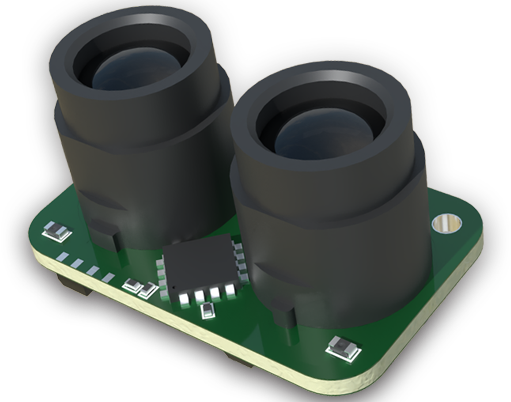
The selection of a DT laser sensor depends on specific application requirements, including measurement range, resolution, and environmental factors. For long-range measurements up to several meters, models with Class 2 laser safety ratings are commonly used, whereas short-range variants offer sub-micron precision for delicate tasks. It is crucial to consider the target's surface properties; sensors with adjustable exposure settings or polarized filters can handle reflective materials effectively. Regular maintenance involves cleaning the optical lens to prevent contamination and verifying calibration with certified reference standards. As industries increasingly adopt automation and quality assurance protocols, DT laser sensors continue to evolve, incorporating AI-driven analytics for predictive maintenance and defect detection.
In summary, DT laser sensors are indispensable tools for modern manufacturing, providing accurate, non-invasive measurements that drive efficiency and quality. Their versatility spans from simple presence detection to complex 3D scanning, supporting innovations in robotics, logistics, and renewable energy sectors. By leveraging laser technology, these sensors enable real-time monitoring and control, reducing waste and downtime while enhancing product consistency. As research progresses, future iterations may feature enhanced miniaturization, lower power consumption, and broader connectivity options, further solidifying their role in smart industrial ecosystems. Engineers and technicians seeking reliable measurement solutions should evaluate DT laser sensors for their ability to meet rigorous operational demands with precision and durability.