Laser Sensor HS, or High-Speed Laser Sensor, represents a significant advancement in industrial automation and precision measurement. Utilizing laser technology, these sensors emit focused light beams to detect objects, measure distances, or monitor processes with exceptional accuracy and speed. The core principle involves emitting a laser beam that reflects off a target; the sensor then analyzes the reflected light to determine parameters such as presence, position, thickness, or vibration. This non-contact method minimizes wear and tear, making it ideal for harsh environments where physical sensors might degrade.
In industrial settings, Laser Sensor HS devices are crucial for quality control, robotics, and assembly lines. For instance, in automotive manufacturing, they ensure precise alignment of components, while in electronics, they verify minute part placements. Their high-speed capabilities allow real-time monitoring, reducing errors and increasing production efficiency. Key features include high resolution, often in micrometers, and fast response times, sometimes under milliseconds, enabling detection of rapid movements or small defects. Additionally, many models offer adjustable sensitivity and robust housing to withstand dust, moisture, and temperature variations.
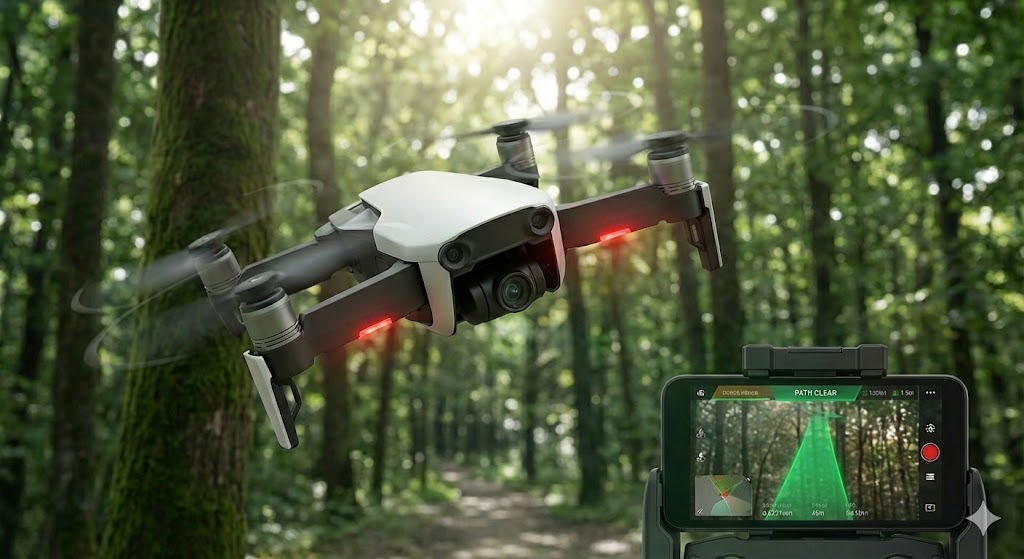
The technology behind Laser Sensor HS typically involves time-of-flight or triangulation methods. Time-of-flight sensors calculate distance based on the time taken for the laser to return, suitable for longer ranges. Triangulation sensors use geometric angles for higher precision at shorter distances. Advanced versions integrate digital interfaces like IO-Link or Ethernet for seamless connectivity with PLCs (Programmable Logic Controllers) and SCADA (Supervisory Control and Data Acquisition) systems, facilitating data logging and predictive maintenance.
When selecting a Laser Sensor HS, factors to consider include measurement range, accuracy requirements, environmental conditions, and compatibility with existing systems. Regular calibration is essential to maintain performance, as factors like ambient light or surface reflectivity can affect readings. Innovations continue to emerge, such as miniaturized designs for compact spaces and enhanced algorithms for noise reduction.
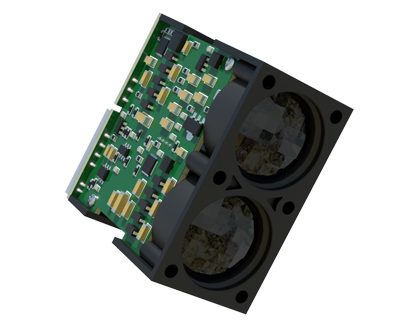
Overall, Laser Sensor HS technology drives efficiency and reliability across sectors like manufacturing, logistics, and aerospace. By providing precise, non-contact sensing, it supports automation trends and Industry 4.0 initiatives, helping businesses optimize operations and reduce costs. As industries evolve, these sensors are poised to play an even greater role in smart factories and IoT (Internet of Things) applications.