In the intricate landscape of industrial automation and electronic systems, optical proximity sensors have emerged as indispensable components, driving efficiency, safety, and precision across diverse applications. These sensors operate on the fundamental principle of detecting the presence, absence, or distance of an object without physical contact, utilizing light—typically infrared or laser—to achieve this task. By emitting a light beam and analyzing the reflected signal, optical proximity sensors provide real-time data that is critical for process control, machinery operation, and system integration.
The core functionality of optical proximity sensors lies in their ability to offer non-contact detection, which minimizes wear and tear, reduces maintenance costs, and enhances operational longevity. In manufacturing environments, for instance, they are deployed on assembly lines to count products, verify positioning, or trigger automated actions such as sorting and packaging. This not only accelerates production rates but also ensures consistent quality by preventing errors that could arise from manual intervention. Moreover, in robotics, these sensors enable precise navigation and object manipulation, allowing robotic arms to interact with components delicately and accurately, thereby supporting complex tasks in sectors like automotive and electronics manufacturing.
Safety is another paramount area where optical proximity sensors play a crucial role. In hazardous settings, such as those involving heavy machinery or high-temperature processes, they serve as protective barriers by detecting human presence and initiating emergency shutdowns to prevent accidents. This proactive approach to safety compliance helps industries adhere to stringent regulations while safeguarding personnel. Additionally, in consumer electronics, optical proximity sensors are integral to devices like smartphones, where they manage screen activation during calls to conserve battery life and prevent unintended touches.
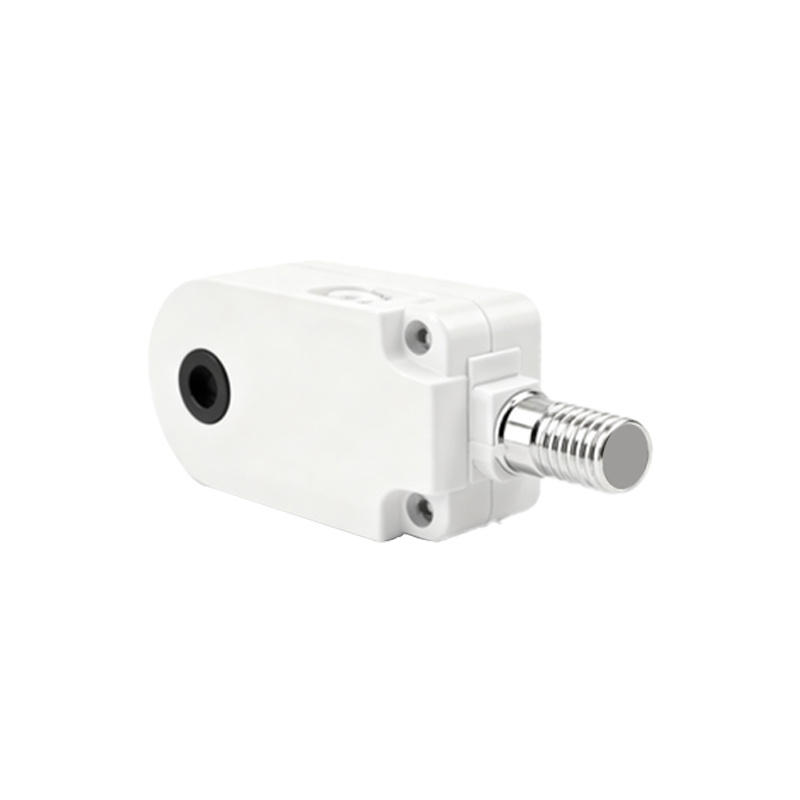
The versatility of optical proximity sensors extends to their adaptability in various environmental conditions. Advanced models are designed with features like ambient light immunity, which allows them to function reliably under fluctuating lighting scenarios, and robust housings that resist dust, moisture, and mechanical shocks. This durability makes them suitable for challenging applications in outdoor logistics, agricultural machinery, and even medical equipment, where reliability is non-negotiable. For example, in automated guided vehicles (AGVs), these sensors facilitate obstacle detection and path correction, ensuring smooth material handling in warehouses and distribution centers.
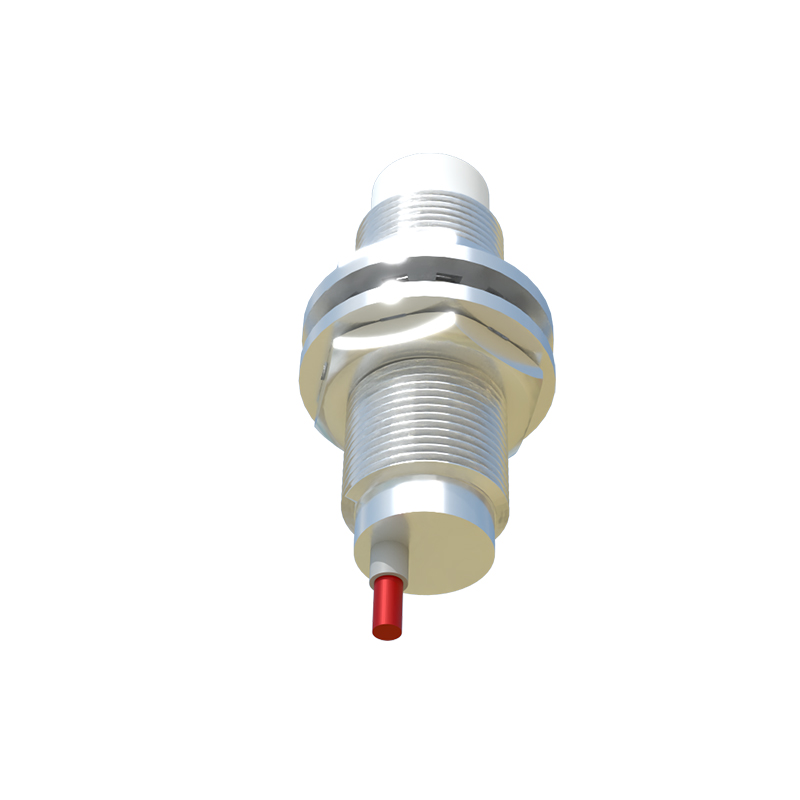
From a technical perspective, optical proximity sensors are categorized into different types based on their sensing methods, such as diffuse, retro-reflective, and through-beam sensors. Each type offers distinct advantages: diffuse sensors are compact and ideal for detecting objects at short ranges, retro-reflective sensors use a reflector for longer distances, and through-beam sensors provide the highest accuracy by separating the emitter and receiver. Selecting the appropriate sensor depends on factors like detection range, object material, and environmental interference, underscoring the importance of expert integration in system design.
As industries continue to embrace the Internet of Things (IoT) and smart manufacturing trends, optical proximity sensors are evolving with enhanced connectivity and data analytics capabilities. They now contribute to predictive maintenance by monitoring equipment performance and alerting operators to potential failures before they occur. This integration with digital networks not only optimizes resource utilization but also paves the way for more autonomous and intelligent industrial ecosystems. In essence, optical proximity sensors are not merely passive components; they are active enablers of innovation, driving progress in automation, safety, and efficiency across the globe.
Looking ahead, the role of optical proximity sensors is set to expand further with advancements in miniaturization, energy efficiency, and artificial intelligence. As engineers and developers push the boundaries of sensor technology, these devices will become even more integral to emerging fields like autonomous vehicles, smart cities, and wearable technology. By providing reliable, contactless sensing solutions, optical proximity sensors will continue to shape the future of industrial and consumer applications, reinforcing their status as a cornerstone of modern engineering.