As the autonomous vehicle industry accelerates, LiDAR (Light Detection and Ranging) sensors have emerged as a critical technology enabling advanced driver-assistance systems (ADAS) and self-driving capabilities. For investors eyeing the electric and autonomous vehicle sectors, understanding the LiDAR market landscape is essential. This article delves into the investment potential of LiDAR sensor stocks, analyzing key players, technological trends, and market dynamics.
LiDAR sensors use laser pulses to create high-resolution 3D maps of surroundings, providing precise object detection and distance measurement. Unlike cameras or radar, LiDAR offers superior accuracy in varied lighting and weather conditions, making it indispensable for safe autonomy. Major automakers, including Tesla, Ford, and General Motors, are increasingly integrating LiDAR into next-generation vehicles, driving demand. According to industry reports, the global LiDAR market is projected to grow from $1.8 billion in 2023 to over $7 billion by 2030, fueled by regulatory support and technological advancements.
Several publicly traded companies lead the LiDAR space. Velodyne Lidar (NASDAQ: VLDR) pioneered commercial LiDAR and holds a robust patent portfolio, though it faces stiff competition. Luminar Technologies (NASDAQ: LAZR) has secured partnerships with Volvo and Mercedes-Benz, focusing on long-range sensors for highway autonomy. Innoviz Technologies (NASDAQ: INVZ) collaborates with BMW and Volkswagen, emphasizing solid-state LiDAR for mass production. Aeva (NYSE: AEVA) differentiates with frequency-modulated continuous-wave (FMCW) technology, which enhances performance and reduces interference. Additionally, established firms like Texas Instruments (NASDAQ: TXN) and NVIDIA (NASDAQ: NVDA) supply components and processing chips, indirectly benefiting from LiDAR adoption.
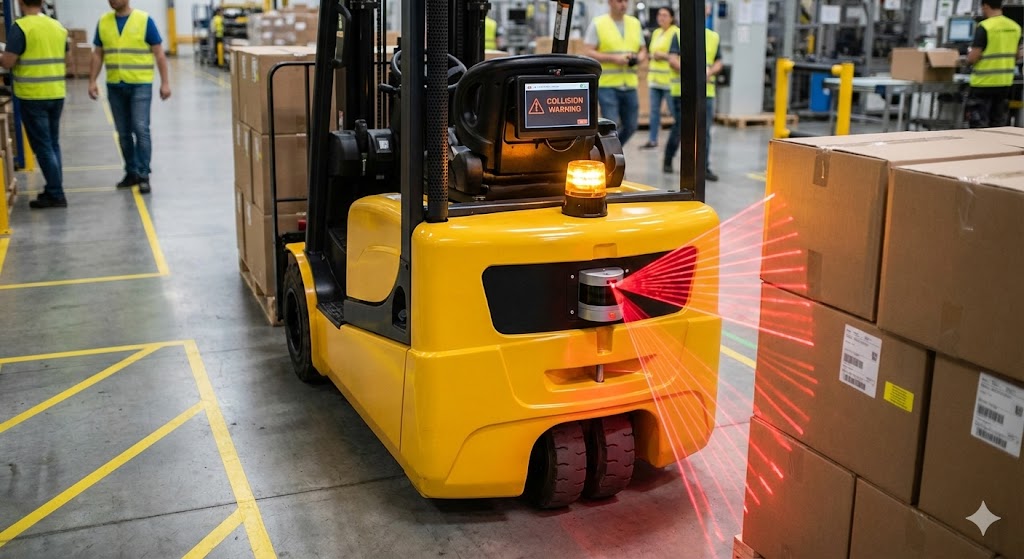
Technological innovation is reshaping the industry. Traditional mechanical LiDAR systems are being replaced by solid-state and MEMS-based designs, which are cheaper, more durable, and easier to scale. Companies investing in these advancements may gain a competitive edge. However, challenges persist, such as high costs—currently thousands of dollars per unit—and the need for standardization. Investors should monitor R&D progress and cost-reduction efforts, as affordability will dictate widespread adoption.
Market trends also influence stock performance. Government regulations mandating safety features, like the European Union’s NCAP requirements, boost LiDAR integration. The rise of robotaxis and logistics automation further expands applications beyond passenger cars. For example, companies like Waymo and Cruise use LiDAR extensively in their fleets, creating additional revenue streams for sensor makers. Geopolitical factors, such as supply chain disruptions or trade policies, can impact production, so diversifying across regions may mitigate risks.
Financially, many LiDAR firms are in early growth stages, with volatile stock prices and negative earnings. Investors should assess balance sheets, cash burn rates, and partnership pipelines. Long-term prospects appear bright, but short-term volatility is common. Analysts recommend a balanced portfolio approach, combining pure-play LiDAR stocks with broader semiconductor or automotive ETFs to hedge against uncertainty.
In summary, LiDAR sensor stocks offer exposure to the transformative autonomous vehicle sector. Key to success is selecting companies with innovative technology, strong industry alliances, and scalable solutions. As the road to full autonomy unfolds, LiDAR investments could yield significant returns for those who navigate the landscape wisely.