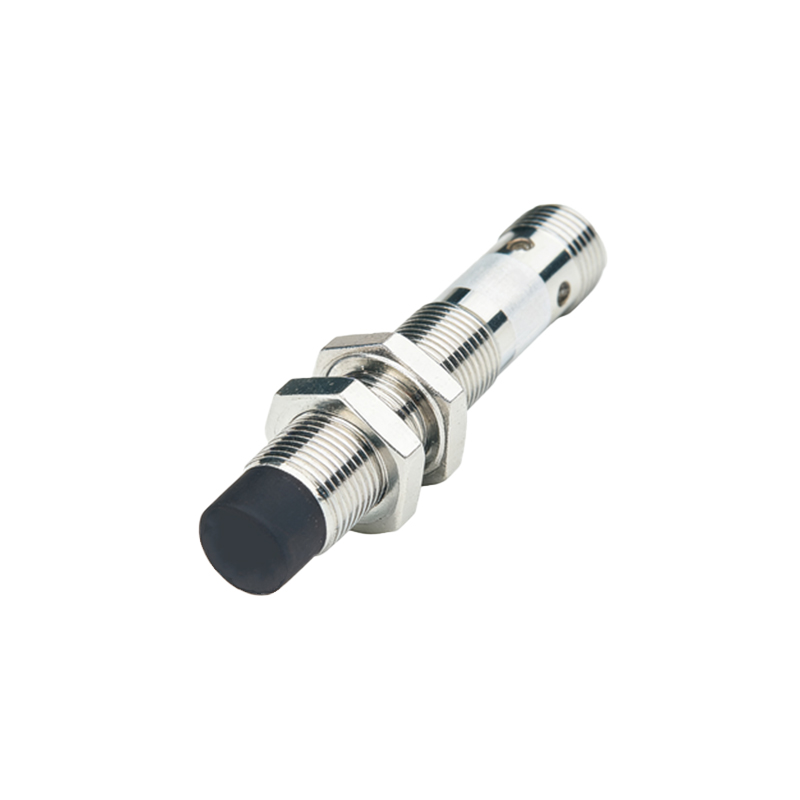
In the realm of industrial automation and control systems, DC proximity sensors play a pivotal role in detecting the presence or absence of objects without physical contact. These sensors are integral to ensuring precision, safety, and efficiency in various applications, from manufacturing lines to robotics. To maintain consistency, reliability, and interoperability across different devices and sectors, national standards for DC proximity sensors have been established. This article delves into the key aspects of these standards, their importance, and how they impact the design, selection, and implementation of sensors in industrial settings.
National standards for DC proximity sensors typically encompass specifications related to electrical characteristics, performance metrics, environmental durability, and safety protocols. For instance, they define parameters such as operating voltage ranges, output types (e.g., NPN or PNP configurations), sensing distances, response times, and temperature tolerances. These standards ensure that sensors from different manufacturers can be seamlessly integrated into existing systems, reducing compatibility issues and downtime. Moreover, they set benchmarks for accuracy and repeatability, which are critical in high-stakes environments like automotive assembly or pharmaceutical production.
One of the primary benefits of adhering to national standards is enhanced safety. Standards often include guidelines for fail-safe operation, electromagnetic compatibility (EMC), and protection against overcurrent or short circuits. This minimizes risks of equipment damage, electrical hazards, and operational failures, thereby safeguarding both personnel and machinery. Additionally, compliance with standards can facilitate regulatory approvals and certifications, which are essential for market access and customer trust. For example, in regions like Europe or North America, standards may align with broader directives such as the CE marking or UL listings.
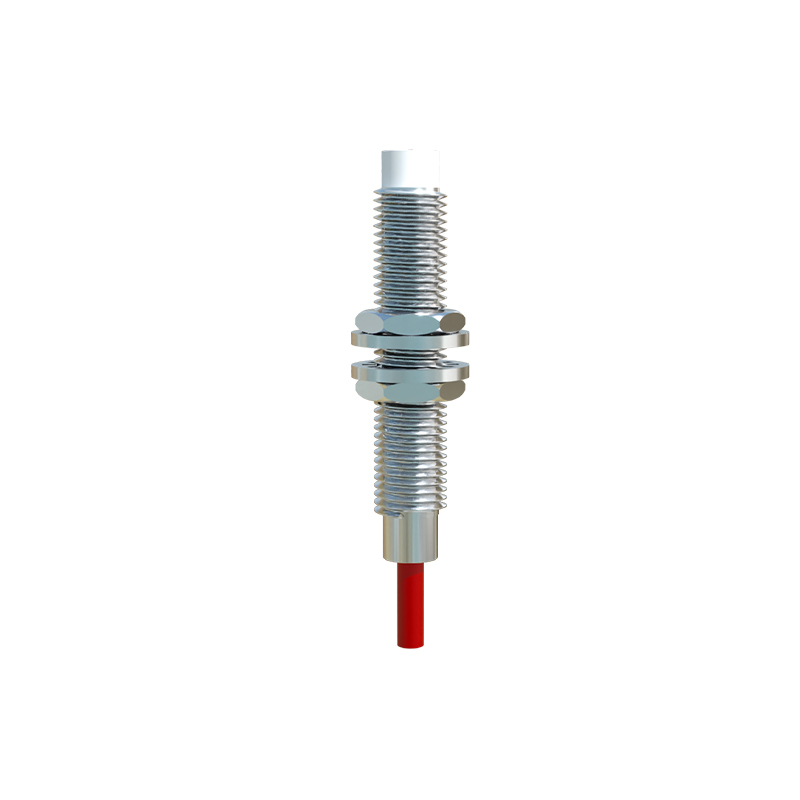
From a technical perspective, DC proximity sensor standards address key performance indicators like switching frequency, hysteresis, and material compatibility. Switching frequency refers to how quickly a sensor can detect objects in rapid succession, which is vital in fast-paced production lines. Hysteresis, or the difference between the switch-on and switch-off points, affects sensor stability and prevents false triggers. Material compatibility standards ensure that sensors can withstand harsh conditions, such as exposure to chemicals, moisture, or extreme temperatures, without degradation in performance.
In practice, engineers and procurement specialists must consider these standards when selecting DC proximity sensors for specific applications. For instance, in food processing industries, sensors may need to meet hygiene standards with smooth, easy-to-clean surfaces. In contrast, heavy machinery applications might prioritize ruggedness and resistance to vibration. By referencing national standards, stakeholders can make informed decisions that optimize cost-effectiveness and longevity. Furthermore, ongoing updates to standards reflect technological advancements, such as the integration of IoT capabilities or energy-efficient designs, keeping pace with industry trends.
Despite the advantages, challenges exist in standardizing DC proximity sensors globally. Variations in regional standards can lead to complexities for multinational corporations, requiring adaptations in product design or supply chains. However, efforts by international bodies like the International Electrotechnical Commission (IEC) aim to harmonize these standards, promoting global trade and innovation. As industries evolve toward smart factories and Industry 4.0, the role of standardized sensors becomes even more crucial for data exchange and system interoperability.
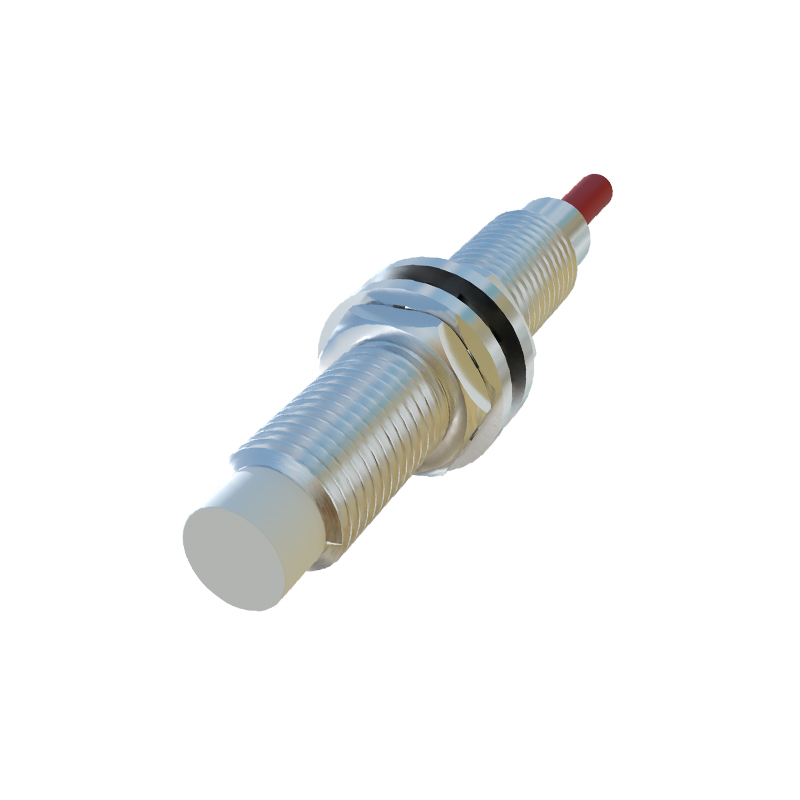
In conclusion, national standards for DC proximity sensors serve as a cornerstone for industrial automation, ensuring quality, safety, and efficiency. By understanding and applying these standards, professionals can enhance system performance, reduce risks, and foster innovation. As technology progresses, staying abreast of standard revisions will be key to leveraging the full potential of DC proximity sensors in modern industrial landscapes.