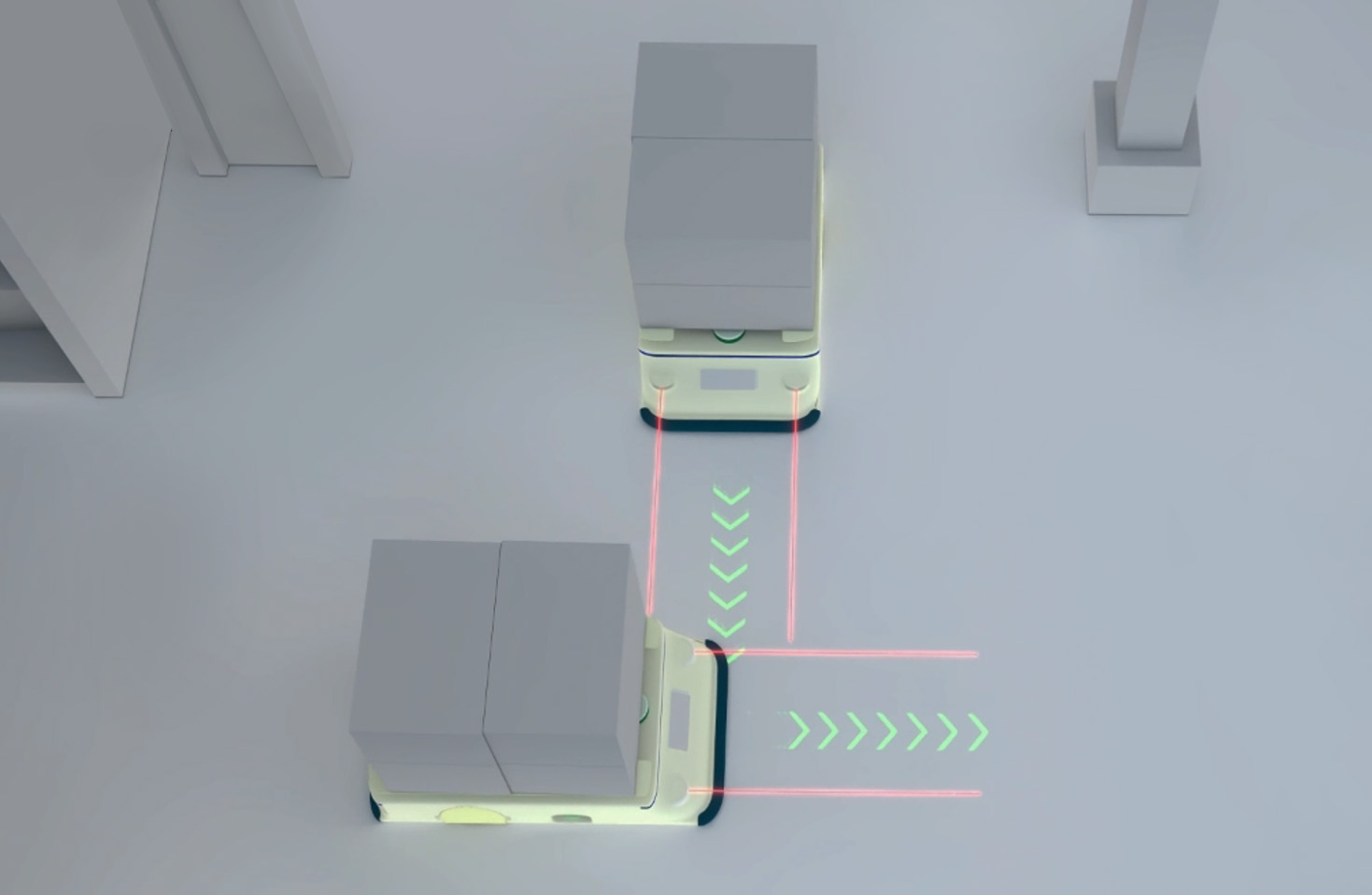
Laser sensors have become indispensable components in modern industrial systems, offering unparalleled precision, speed, and reliability. These devices operate on the principle of emitting a focused beam of light—typically from a laser diode—and measuring the properties of the reflected light to determine distance, displacement, position, or presence of an object. The core technology hinges on time-of-flight (ToF), triangulation, or interferometry methods, each suited to specific application demands. In manufacturing, laser sensors are pivotal for quality control, enabling micron-level measurements in assembly lines, robotic guidance, and inspection processes. For instance, in automotive production, they ensure precise weld seam tracking and component alignment, drastically reducing error margins.
The evolution of laser sensor technology has been marked by significant advancements in miniaturization, power efficiency, and data processing capabilities. Modern sensors integrate sophisticated algorithms and digital signal processors (DSPs) to filter environmental noise, such as ambient light or vibrations, ensuring stable performance even in harsh conditions. This robustness makes them ideal for sectors like aerospace, where they monitor structural integrity, or logistics, where they facilitate automated sorting and inventory management through barcode scanning and object detection. Additionally, the advent of smart sensors with IoT connectivity allows for real-time data analytics and predictive maintenance, enhancing operational efficiency across industries.
However, selecting the appropriate laser sensor requires careful consideration of several parameters. Key factors include measurement range, resolution, response time, and environmental ratings (e.g., IP67 for dust and water resistance). For example, long-range sensors using ToF are optimal for warehouse automation, while high-resolution triangulation sensors excel in semiconductor fabrication. It is also crucial to account for the target surface properties; reflective or dark materials may affect accuracy, necessitating sensors with adjustable sensitivity or complementary technologies.
Looking ahead, trends indicate a shift toward multi-functional laser sensors that combine 2D/3D imaging with spectral analysis, opening new avenues in precision agriculture and medical diagnostics. Despite challenges like cost and complexity, ongoing research in photonics and machine learning promises to further expand their capabilities. Ultimately, laser sensors represent a cornerstone of industrial automation, driving innovation by providing critical data that enhances safety, quality, and productivity in an increasingly digitalized world.