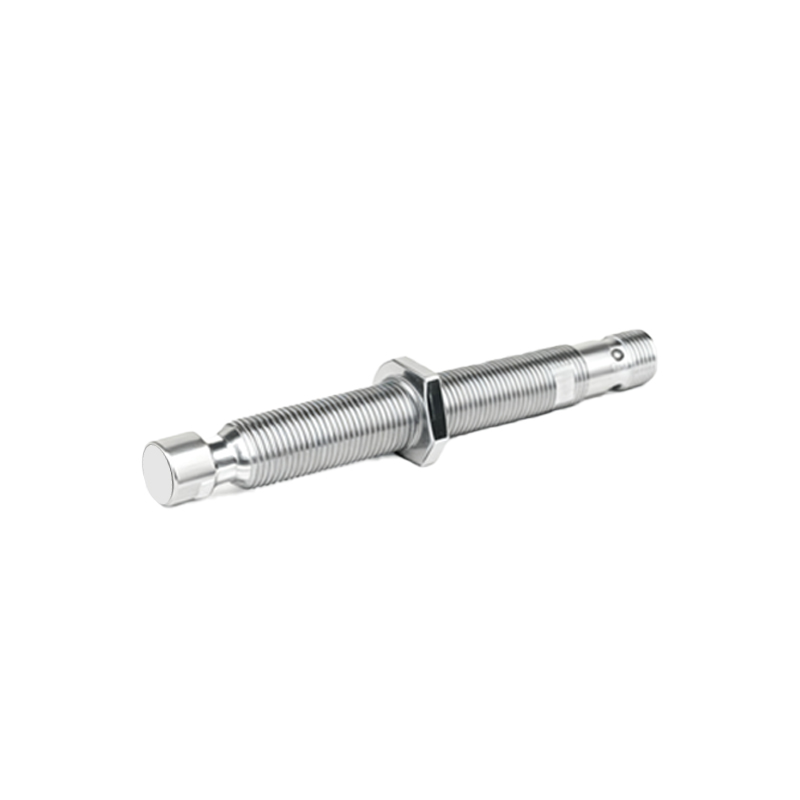
In the demanding environments of modern industrial automation, proximity sensors serve as the silent sentinels, providing critical non-contact detection for countless processes. These robust devices, however, are not impervious to the very environments they monitor. Physical impact, weld spatter, metal chips, abrasive dust, and corrosive chemicals pose constant threats to their sensitive sensing faces and housings. This is where the often-overlooked yet indispensable accessory comes into play: the proximity sensor protective cap.
A proximity sensor protective cap is a precisely engineered cover, typically manufactured from durable materials like polyamide (PA), polyurethane (PUR), or Teflon (PTFE). Its primary function is to act as a sacrificial barrier, shielding the sensor's active surface and body from direct damage. By installing a protective cap, operators effectively extend the operational lifespan of the sensor, reduce unplanned downtime for replacements, and maintain consistent detection accuracy. The cap absorbs the brunt of physical abrasion and chemical exposure, which can otherwise degrade the sensor's housing, cloud its lens, or misalign its components, leading to false triggers or complete failure.
The selection of the appropriate protective cap is not a one-size-fits-all decision. It requires careful consideration of several key factors aligned with the specific application. First and foremost is the material compatibility. For environments with significant weld spatter, such as in robotic welding cells, caps made from high-temperature resistant materials like silicone or special ceramics are essential to prevent molten metal from adhering to and damaging the sensor. In machining centers where coolants and cutting oils are prevalent, caps made from chemical-resistant polymers like PTFE or specific PUR blends are necessary to prevent swelling, cracking, or degradation. For applications involving heavy particulate matter or constant scraping, an abrasion-resistant polyamide cap offers the best defense.
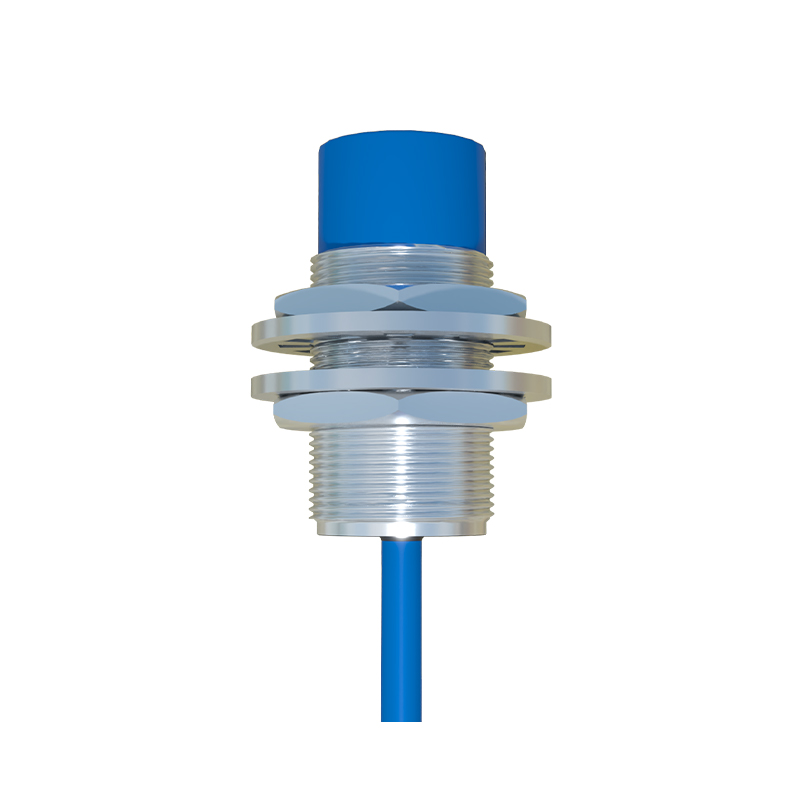
Another critical parameter is the cap's thickness and its impact on the sensor's effective sensing range. All non-metallic protective caps introduce a slight reduction in the nominal sensing distance. This attenuation factor varies by material and thickness. A standard polyamide cap might reduce the range by 40-50%, while a thinner, specially designed "low-loss" cap might only reduce it by 15-25%. Engineers must calculate this reduced effective range during the design and installation phase to ensure the sensor can still reliably detect the target object. Manufacturers provide detailed datasheets specifying the attenuation factor for their caps, which must be diligently consulted.
Installation and maintenance protocols are straightforward but vital. Most caps are designed for a secure snap-on or screw-on fit, ensuring they remain in place even under vibration. It is crucial that the cap fits the specific sensor model snugly, without any gaps that could allow contaminants to ingress behind it. Regular inspection schedules should include checking the cap for signs of wear, penetration, or excessive buildup. A key advantage is that replacing a worn-out, inexpensive cap is a simple, one-minute task, whereas replacing an entire sensor involves cost, downtime, and recalibration.
Beyond physical protection, certain specialized caps offer enhanced functionality. For instance, in food and beverage or pharmaceutical applications, FDA-approved silicone caps provide protection while meeting stringent hygiene standards. In washdown environments, caps with specific IP ratings contribute to the overall sealing integrity of the sensor assembly. Furthermore, for sensors operating in extremely high-temperature environments, ceramic-based caps can withstand temperatures far beyond the limits of standard polymer sensors, enabling detection in furnaces or near casting operations.
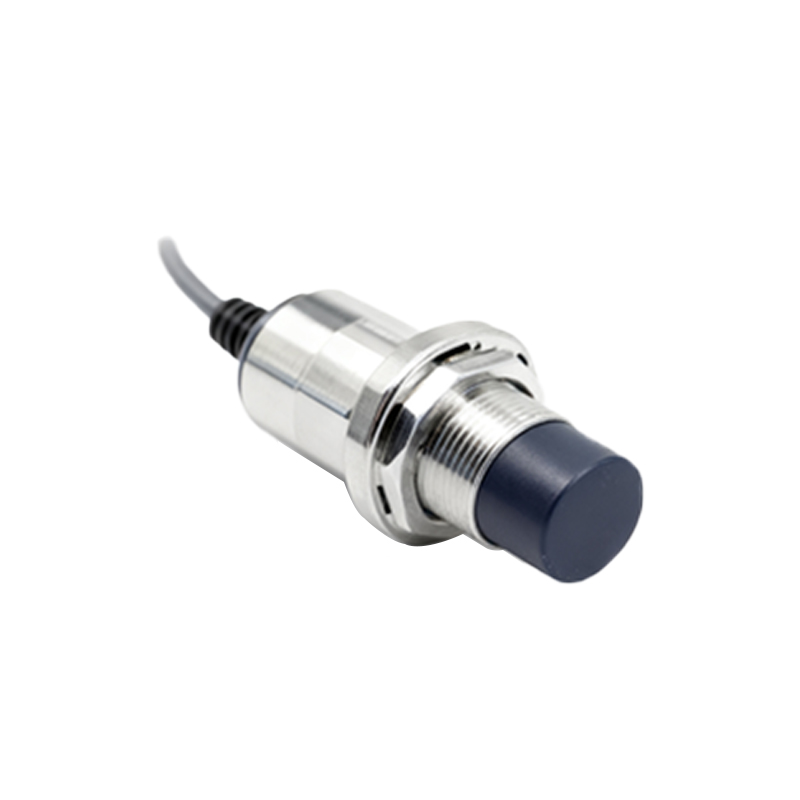
In conclusion, dismissing proximity sensor protective caps as mere optional accessories is a costly oversight in industrial maintenance philosophy. They represent a minimal investment with a demonstrably high return in terms of equipment reliability, production continuity, and total cost of ownership. By systematically evaluating the environmental hazards and selecting the correct cap material and type, engineers and maintenance personnel can ensure that their proximity sensing systems deliver unwavering performance, safeguarding both the sensors and the productivity of the line they protect. Integrating protective caps into the standard specification for sensor deployment is a hallmark of proactive and intelligent industrial asset management.