In modern industrial automation and smart building systems, proximity sensors designed for human presence detection play a critical role in enhancing safety, energy efficiency, and operational convenience. These sensors, often based on technologies such as passive infrared (PIR), capacitive, ultrasonic, or microwave Doppler, exhibit distinct detection characteristics that determine their suitability for various applications. Understanding these characteristics is essential for engineers and system integrators to optimize performance and reliability.
One of the primary detection characteristics is sensitivity, which refers to the sensor's ability to detect subtle movements or the presence of a human body within its designated range. PIR sensors, for example, detect changes in infrared radiation emitted by humans and are highly sensitive to motion but may struggle with stationary individuals. In contrast, capacitive sensors measure changes in capacitance caused by the human body's dielectric properties, offering better detection of static presence but with a shorter range. Sensitivity adjustments, often via potentiometers or digital settings, allow customization to environmental conditions and reduce false triggers from non-human sources like pets or moving machinery.
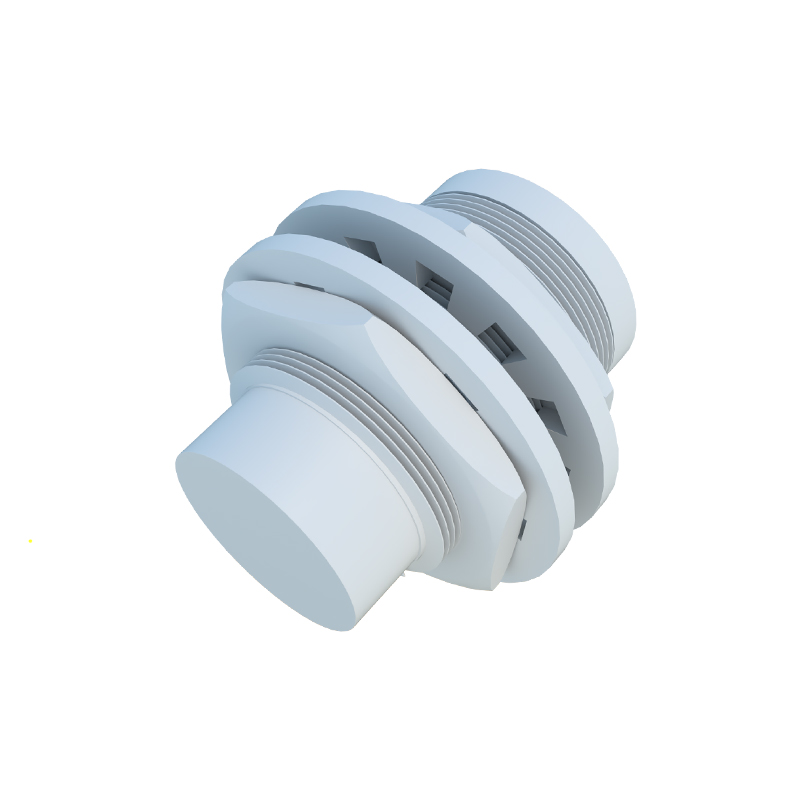
Detection range and coverage pattern are equally crucial. Ultrasonic sensors emit sound waves and analyze echoes to determine presence, providing a wide coverage area and the ability to detect objects regardless of material or color. However, they can be affected by air turbulence or soft surfaces that absorb sound. Microwave sensors, using Doppler radar principles, offer long-range detection through non-metallic materials but may raise concerns about interference or health regulations in sensitive areas. The coverage pattern—whether conical, hemispherical, or custom-shaped—must align with the installation environment to avoid blind spots or overreach.
Response time and latency are vital for safety-critical applications such as automatic doors or machinery guards. Fast response sensors, like those using microwave technology, can react within milliseconds to human approach, preventing accidents. However, excessive speed might lead to nuisance activations in high-traffic zones. Engineers must balance response time with filtering algorithms to ensure timely yet stable operation.
Environmental robustness is a key characteristic, as sensors often operate in harsh conditions. Factors like temperature extremes, humidity, dust, and electromagnetic interference can affect performance. For instance, PIR sensors may experience reduced sensitivity in very hot environments where background IR radiation is high, while capacitive sensors can be influenced by moisture. Industrial-grade sensors typically feature ingress protection (IP) ratings and temperature compensation to maintain reliability.
Finally, integration and output compatibility define how sensors interface with control systems. Most proximity sensors provide digital (e.g., NPN/PNP) or analog outputs, enabling seamless connection to PLCs, microcontrollers, or building management systems. Advanced models include IoT capabilities for remote monitoring and data analytics, allowing predictive maintenance and adaptive behavior based on occupancy patterns.
In summary, the detection characteristics of human proximity sensors—encompassing sensitivity, range, response time, environmental tolerance, and integration features—form a complex matrix that guides selection and deployment. By carefully evaluating these aspects against application requirements, engineers can implement solutions that maximize safety, efficiency, and user experience in diverse settings from factories to smart homes.