Proximity sensors have become indispensable components in modern industrial automation, offering non-contact detection of objects with high precision and reliability. These sensors operate by emitting an electromagnetic field or a beam of electromagnetic radiation and detecting changes in the field or return signal. The primary types include inductive, capacitive, ultrasonic, and photoelectric sensors, each suited to specific applications based on material properties, environmental conditions, and required sensing ranges.
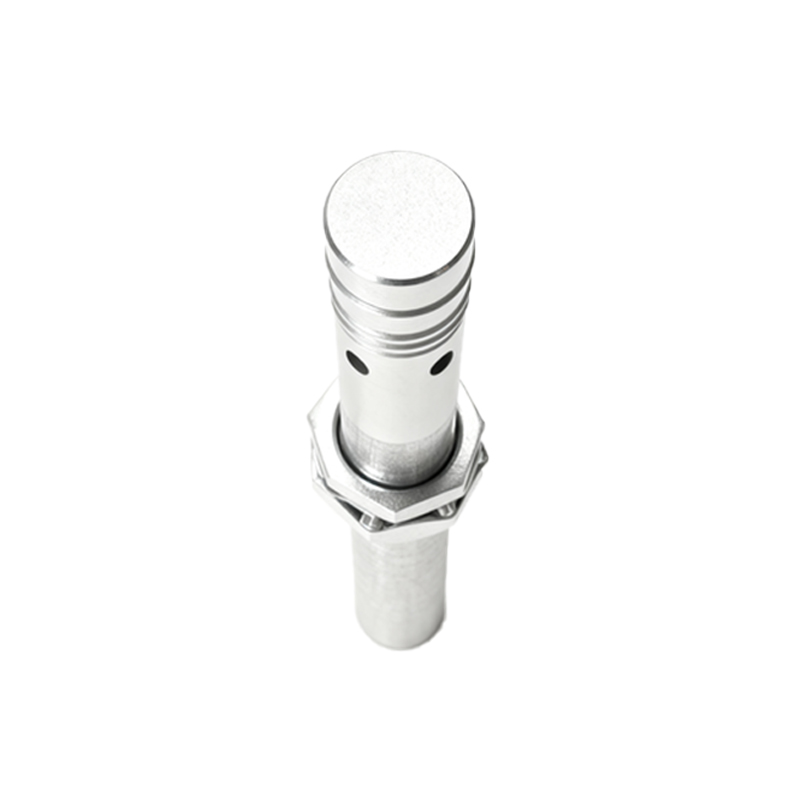
In manufacturing, inductive proximity sensors are widely used for metal detection. They excel in harsh environments with dust, oil, or moisture, making them ideal for monitoring machine parts, counting products on conveyor belts, and ensuring proper positioning in assembly lines. For instance, in automotive production, these sensors verify the presence of engine components or control robotic arms during welding processes, enhancing safety and efficiency.
Capacitive sensors, capable of detecting both metallic and non-metallic materials, find applications in liquid level control, material handling, and packaging. In the food and beverage industry, they monitor fill levels in containers without direct contact, preventing contamination. Similarly, ultrasonic sensors measure distances and detect objects in challenging settings, such as transparent or irregularly shaped items, supporting tasks like palletizing and warehouse automation.
Photoelectric sensors, utilizing light beams, offer long-range detection and high speed. They are prevalent in logistics for sorting packages, in pharmaceuticals for verifying label placement, and in electronics for inspecting circuit boards. Advanced versions with background suppression technology ignore interfering objects, ensuring accurate readings even in complex layouts.
Recent advancements focus on smart sensors with integrated IoT connectivity, enabling real-time data transmission for predictive maintenance and process optimization. These sensors can self-diagnose issues, reducing downtime and operational costs. Additionally, miniaturization has expanded their use in compact machinery and wearable devices, while enhanced durability allows deployment in extreme temperatures and corrosive atmospheres.
Despite their benefits, selecting the right proximity sensor requires considering factors like sensing distance, response time, and environmental interference. Proper installation and shielding are crucial to avoid false triggers from electrical noise or adjacent machinery. As industries embrace Industry 4.0, proximity sensors will continue to evolve, integrating AI for adaptive sensing and contributing to fully automated, intelligent systems that prioritize safety, productivity, and sustainability.
In summary, proximity sensors play a critical role in diverse sectors, from automotive to healthcare, by enabling precise, non-contact detection. Their ongoing innovation aligns with industrial trends toward connectivity and automation, ensuring they remain vital tools for optimizing operations and driving technological progress.