In modern industrial automation, proximity sensors are indispensable components for detecting the presence or absence of objects without physical contact. However, their reliability can be severely compromised by electromagnetic interference (EMI), radio frequency interference (RFI), and environmental factors. Implementing effective anti-interference methods is crucial for ensuring consistent performance, minimizing false triggers, and extending sensor lifespan. This article explores practical strategies to enhance the immunity of proximity sensors in challenging operational environments.
The primary source of interference often stems from electrical noise generated by nearby equipment such as variable frequency drives (VFDs), motors, solenoids, and welding machines. These devices can induce voltage spikes or high-frequency noise onto power and signal lines, leading to erratic sensor behavior. The first line of defense is proper sensor selection. Opting for sensors with robust shielding, typically labeled as having "EMC compliance" or "high noise immunity," is essential. Many modern inductive and capacitive proximity sensors are designed with integrated metal housings and ferrite cores that suppress common-mode noise.
Wiring practices play a pivotal role in interference mitigation. Always use shielded cables for sensor connections, with the shield grounded at only one end—preferably at the control panel—to prevent ground loops. Keep sensor cables as short as possible and route them away from high-power cables. A minimum separation distance of 20-30 cm is recommended. If crossing power lines is unavoidable, ensure they cross at right angles to minimize inductive coupling. For analog sensors, twisted-pair cables are highly effective in canceling out electromagnetic fields.
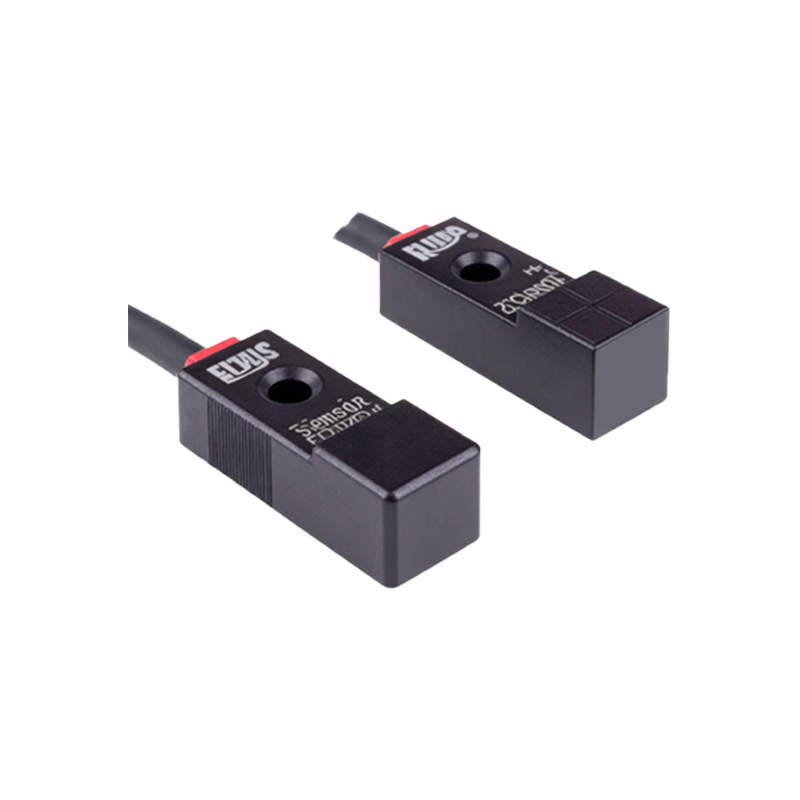
Power supply quality is another critical factor. Utilize stable, regulated DC power sources with sufficient filtering. Incorporating noise filters or isolation transformers in the power line feeding the sensor system can absorb voltage surges and high-frequency noise. In areas with severe interference, consider using sensors with built-in surge protection devices (SPDs). For DC sensors, adding a bypass capacitor (e.g., 0.1 µF ceramic capacitor) close to the sensor's power terminals can help decouple high-frequency noise.
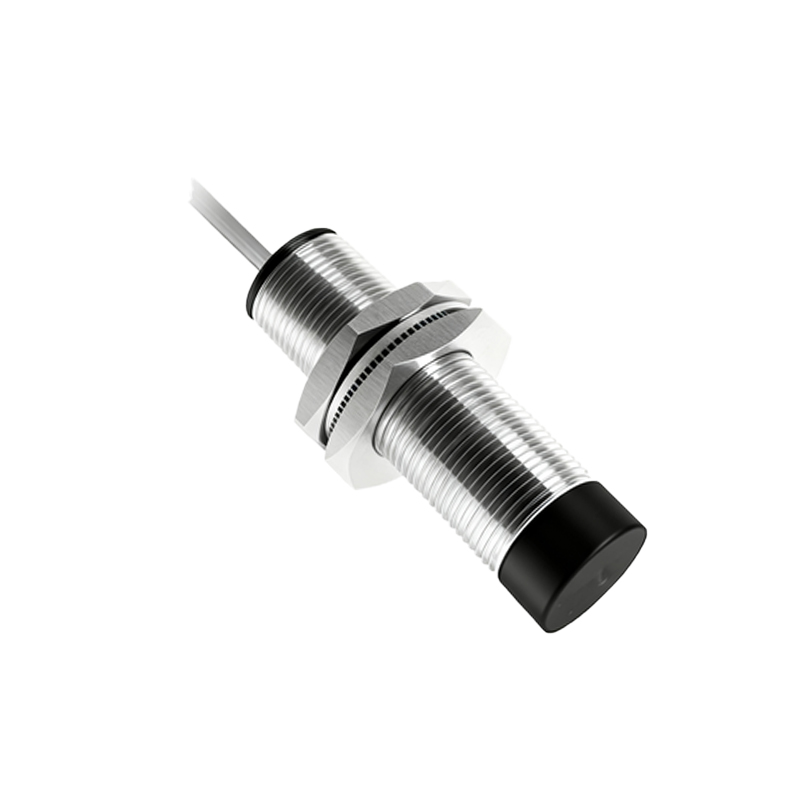
Sensor installation and mounting require careful attention. Ensure the sensor is securely mounted on a stable, vibration-free surface. For inductive sensors, maintain the recommended sensing distance from the target and avoid placing the sensor near metallic backgrounds or moving machinery that could cause parasitic capacitance or eddy currents. In environments with strong RFI, such as near radio transmitters, sensors housed in fully enclosed metal casings provide superior protection compared to plastic-bodied units.
When multiple sensors are deployed in close proximity, mutual interference can occur. To prevent this, maintain adequate spacing between sensors—typically 2-3 times the sensor diameter. Alternatively, select sensors with different operating frequencies or those equipped with synchronization capabilities (anti-collision features) that allow them to operate in time-shifted cycles. For programmable sensors, adjusting the hysteresis or response time can help ignore brief interference pulses.
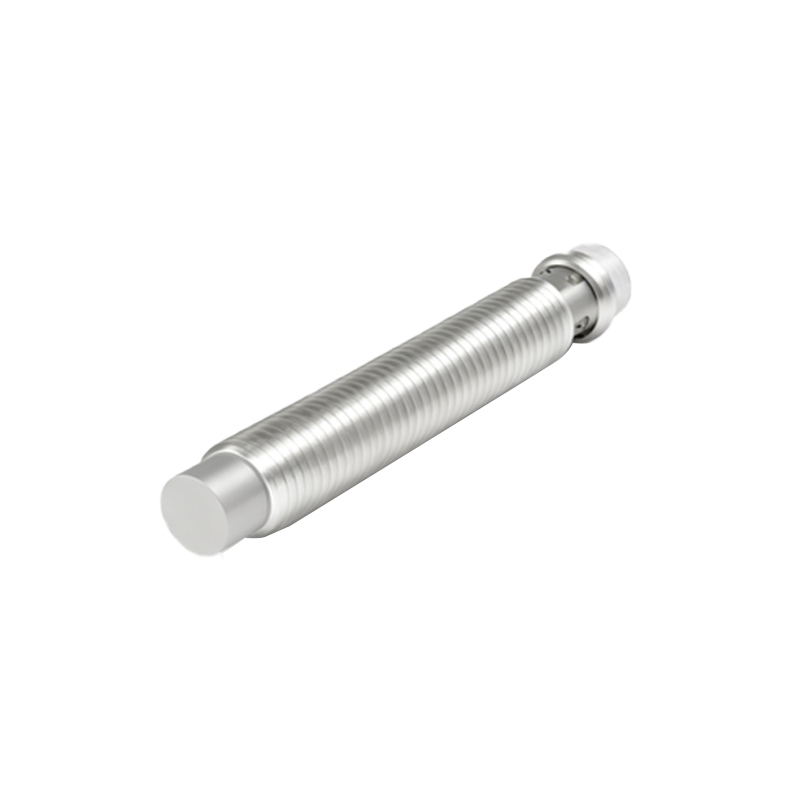
Grounding is often misunderstood but is fundamental. Establish a single-point grounding system for the entire control panel, ensuring low-impedance connections. Avoid using structural steel or conduit as a ground path for signal circuits. The sensor's body, if metallic, should be properly grounded according to the manufacturer's specifications, but care must be taken to avoid creating ground loops with the cable shield.
In digitally networked systems using IO-Link or AS-Interface, ensure communication cables are properly terminated and shielded. Using differential signal transmission where available greatly enhances noise immunity. Regularly inspect connectors for corrosion and ensure seals are intact in humid or dusty environments, as poor connections can act as antennas for interference.
Finally, systematic troubleshooting is key. When interference is suspected, use an oscilloscope to monitor sensor output lines for noise. Temporarily powering the sensor from an isolated battery can help determine if interference originates from the power supply. Logging environmental data such as temperature fluctuations and nearby equipment operation schedules may reveal correlation with sensor faults.
By integrating these methods—thoughtful sensor selection, meticulous wiring, power conditioning, proper installation, and diligent grounding—engineers can create robust systems where proximity sensors operate reliably despite the electrically noisy backdrop of industrial facilities. Proactive interference management not only reduces downtime but also enhances the overall safety and efficiency of automated processes. Continuous advancements in sensor technology, including digital filtering algorithms and improved materials, further empower engineers to tackle even the most demanding interference challenges.