In the realm of industrial automation, precision, reliability, and efficiency are paramount. PEFUN laser sensors have emerged as a critical component in achieving these goals, offering advanced capabilities for measurement, detection, and positioning across diverse applications. This guide delves into the technology, benefits, and practical uses of PEFUN laser sensors, providing insights for engineers and system integrators.
Laser sensors operate on the principle of emitting a focused beam of light and analyzing the reflected signal. PEFUN models typically utilize time-of-flight, triangulation, or phase-shift measurement techniques to deliver high-accuracy data. For instance, in time-of-flight sensors, the distance to a target is calculated based on the time it takes for the laser pulse to return. This method is ideal for long-range measurements, often exceeding several meters, with millimeter-level precision. Triangulation sensors, on the other hand, are suited for short to medium ranges, offering sub-micron resolution by measuring the angle of reflected light. PEFUN integrates these technologies with robust algorithms to ensure stability even in challenging environments with variable surface textures or ambient light interference.
The advantages of PEFUN laser sensors are multifaceted. Firstly, their non-contact nature eliminates mechanical wear, extending operational lifespan and reducing maintenance costs. This is crucial in industries like automotive manufacturing, where sensors monitor assembly line components without physical interaction, preventing damage to delicate parts. Secondly, high-speed response times enable real-time monitoring. PEFUN sensors can achieve sampling rates up to 50 kHz, allowing for rapid detection in dynamic processes such as conveyor belt sorting or robotic guidance. Additionally, these sensors exhibit excellent environmental resistance. Many PEFUN units are housed in IP67-rated enclosures, protecting against dust, moisture, and vibrations, making them suitable for harsh settings like metalworking or outdoor logistics.
Practical applications of PEFUN laser sensors span various sectors. In material handling, they are used for level detection in silos or bins, ensuring optimal inventory management without direct contact with abrasive or corrosive substances. In quality control, sensors perform dimensional inspections, such as measuring thickness of rolled steel or verifying gap widths in electronic assemblies, with tolerances as tight as ±0.1%. The automotive industry leverages PEFUN sensors for weld seam tracking and part presence verification, enhancing production accuracy. Moreover, in packaging, they facilitate label positioning and fill-level monitoring, boosting throughput while minimizing waste. Emerging trends include integration with IoT platforms, where PEFUN sensors transmit data to cloud systems for predictive analytics, enabling proactive maintenance and energy savings.
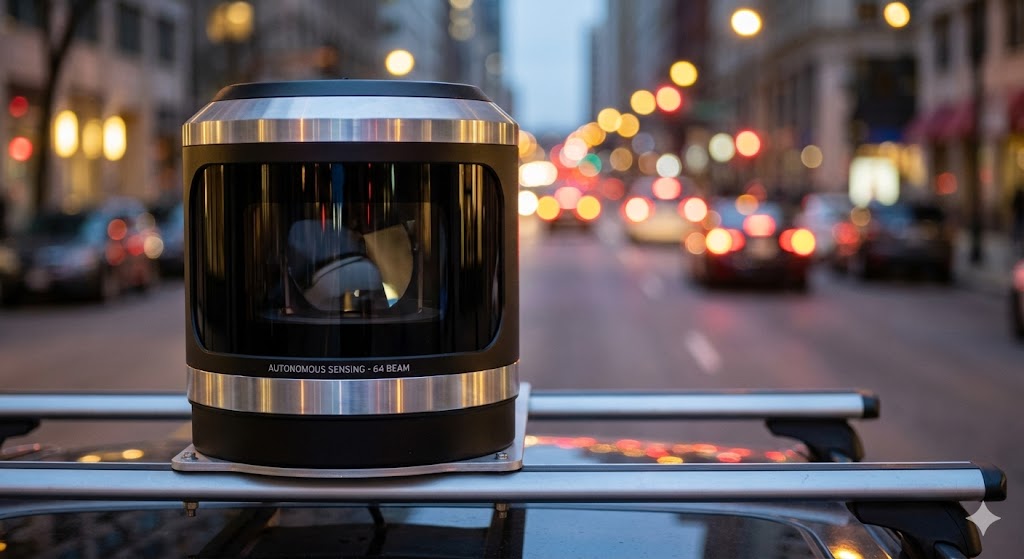
When selecting a PEFUN laser sensor, key parameters must be considered. Range and resolution should align with application needs; for example, a long-range sensor might be chosen for warehouse automation, while a high-resolution model suits precision machining. Output options (e.g., analog, digital, or IO-Link) determine compatibility with existing control systems. Environmental factors like temperature fluctuations or electromagnetic noise also influence performance—PEFUN offers models with extended temperature ranges (-25°C to 70°C) and EMI shielding for reliability. Installation best practices involve proper alignment, calibration against reference targets, and regular cleaning of lenses to prevent signal attenuation. For complex setups, consulting PEFUN technical support can optimize sensor placement and configuration.
In summary, PEFUN laser sensors represent a versatile solution for modern industrial challenges. By combining cutting-edge optical technology with durable design, they empower engineers to enhance automation processes, improve product quality, and reduce operational downtime. As industries evolve toward smarter manufacturing, the role of precise sensing tools like those from PEFUN will only grow in significance, driving innovation and efficiency worldwide.