In industrial welding environments, proximity sensors play a critical role in safeguarding equipment and ensuring operational continuity. Welding spatter—the ejection of molten metal droplets during processes like MIG, MAG, or arc welding—poses significant risks to sensor integrity and system reliability. Without adequate protection, spatter accumulation can lead to sensor failure, inaccurate readings, and costly downtime. This article delves into the technical considerations for selecting and implementing proximity sensors in spatter-prone zones, focusing on design features, material resilience, and integration best practices.
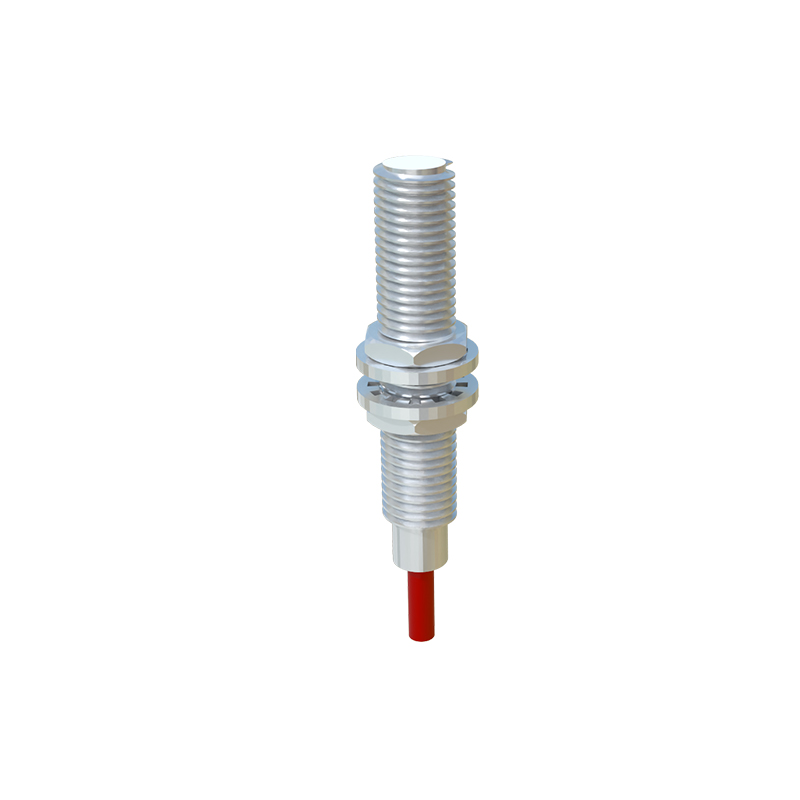
Proximity sensors used in welding applications must withstand extreme conditions, including high temperatures, electromagnetic interference (EMI), and physical impact from spatter. Inductive sensors are commonly preferred due to their non-contact operation and robustness. Key design elements include housings made of stainless steel (e.g., 303 or 316 grades) or nickel-plated brass, which resist adhesion of spatter and minimize heat transfer. Additionally, sensors with smooth, rounded surfaces or integrated spatter guards (such as silicone or ceramic coatings) prevent molten metal from clinging to critical areas. For instance, a sensor with a flush-mounted design reduces crevices where spatter could accumulate, extending service life.
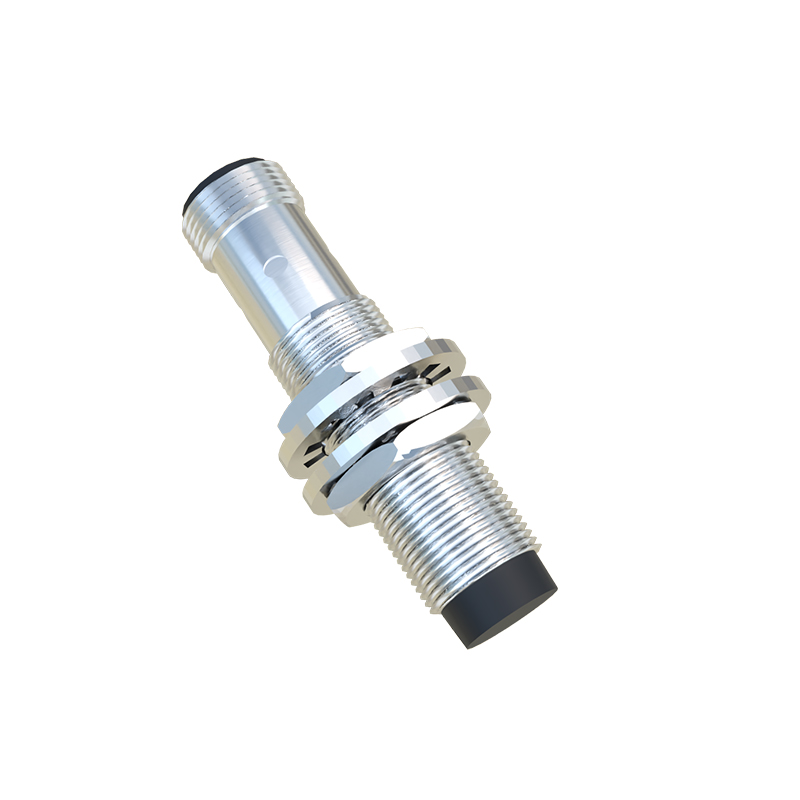
EMI shielding is another vital aspect. Welding equipment generates strong electromagnetic fields that can disrupt sensor signals. Sensors with robust shielding, such as those encased in metal housings with filtered cables, maintain signal integrity. Analog sensors (e.g., 4-20 mA output) or digital variants with high noise immunity are often deployed to ensure stable performance. Moreover, selecting sensors with high IP ratings (e.g., IP67 or IP69K) ensures resistance not only to spatter but also to dust, moisture, and coolant exposure common in welding cells.
Installation and maintenance strategies further enhance protection. Positioning sensors outside the direct line of spatter ejection—using brackets or mounting them at an angle—can reduce direct impact. Regular cleaning schedules with non-abrasive tools help remove residual spatter without damaging sensor surfaces. Some advanced sensors feature self-diagnostic capabilities, alerting operators to contamination or performance degradation before failures occur.
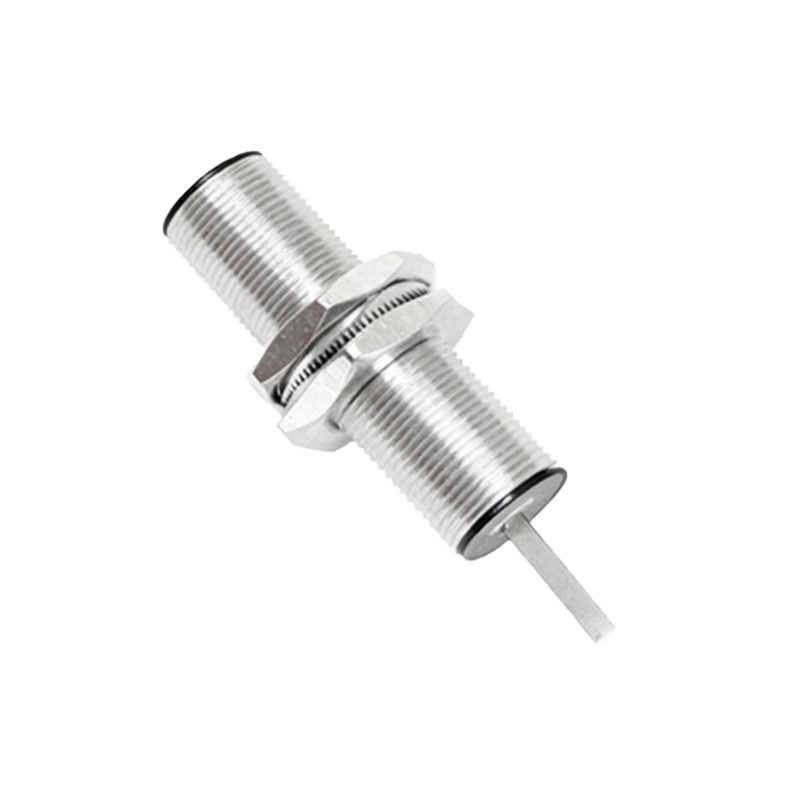
In automated welding systems, integrating proximity sensors with programmable logic controllers (PLCs) allows for real-time monitoring and adaptive control. For example, sensors can detect workpiece presence, monitor weld gun positioning, or trigger protective shutoffs if spatter interference is detected. This integration minimizes human intervention and boosts productivity.
Ultimately, the choice of a proximity sensor for welding spatter protection hinges on environmental specifics. Factors like welding process type, spatter volume, temperature ranges, and required sensing distances (e.g., short-range for precise detection) must be evaluated. Collaborating with sensor manufacturers to customize solutions—such as adding sacrificial caps or using high-temperature variants—can optimize performance. By prioritizing durability, EMI resistance, and smart integration, engineers can mitigate spatter-related issues, ensuring reliable operation in demanding welding environments.