In the rapidly evolving landscape of industrial automation, proximity switch sensors have become indispensable components, enabling precise detection without physical contact. The trend toward miniaturization, or micro design, is reshaping their capabilities, offering enhanced performance in compact spaces. This article delves into the principles, innovations, and practical applications of micro-designed proximity sensors, tailored for engineers and industry professionals seeking cutting-edge solutions.
Proximity sensors operate based on electromagnetic, capacitive, or inductive principles to detect objects within a specified range. In micro designs, engineers focus on reducing sensor size while maintaining or improving sensitivity, response time, and durability. Key advancements include the integration of micro-electromechanical systems (MEMS) technology, which allows for the fabrication of tiny, robust sensors with low power consumption. For instance, inductive proximity sensors in micro form factors can detect metallic objects as small as a few millimeters, making them ideal for high-precision assembly lines in electronics manufacturing.
The core of micro design lies in material science and circuit optimization. Using advanced materials like silicon carbide or gallium nitride enhances thermal stability and signal integrity in harsh environments. Circuit designs incorporate surface-mount technology (SMT) and application-specific integrated circuits (ASICs) to minimize footprint and reduce electromagnetic interference. This results in sensors that are not only smaller but also more reliable, with extended operational lifespans even in demanding conditions such as automotive or aerospace applications.
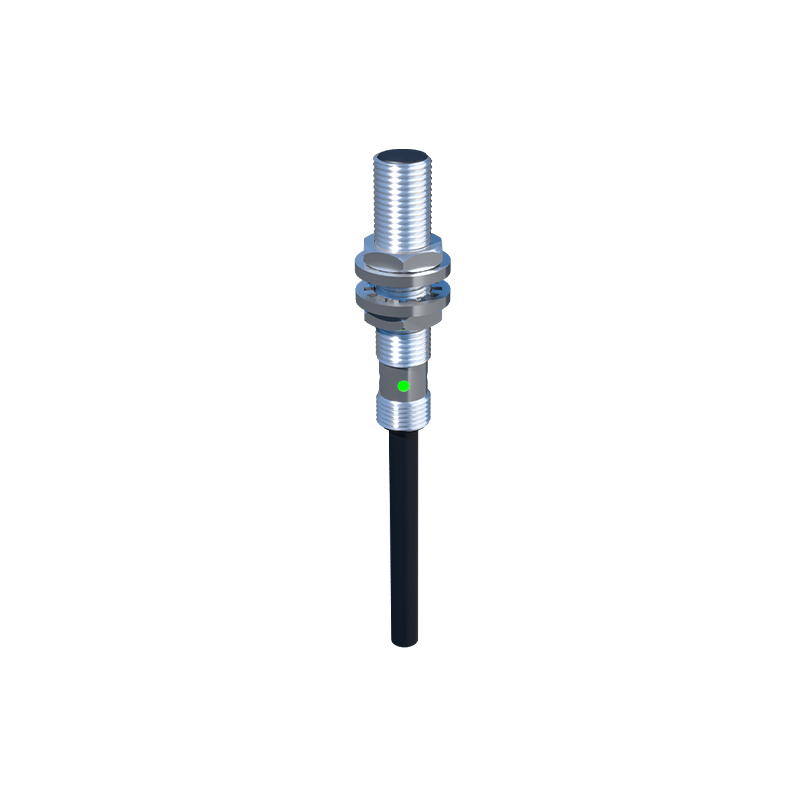
One significant innovation is the development of wireless micro proximity sensors. By embedding low-energy Bluetooth or IoT connectivity, these sensors enable real-time data transmission to control systems, facilitating predictive maintenance and smart factory integration. For example, in conveyor systems, micro sensors monitor object positioning and trigger automated adjustments, reducing downtime and improving efficiency. Their compact size allows installation in tight spaces, such as robotic arms or medical devices, where traditional sensors would be impractical.
Applications span diverse industries. In automotive manufacturing, micro proximity sensors ensure precise alignment in engine components and safety systems. In consumer electronics, they enhance user experience by enabling touchless controls in smartphones and wearables. The healthcare sector benefits from sterilizable micro sensors used in surgical instruments, providing accurate feedback during minimally invasive procedures. Additionally, in logistics and packaging, these sensors optimize inventory management by detecting items on fast-moving belts without contact.
Despite the advantages, challenges persist in micro design. Engineers must balance size reduction with environmental resilience, ensuring sensors withstand vibrations, temperature fluctuations, and contaminants. Power management is another critical aspect, as smaller batteries or energy-harvesting techniques are required to sustain operation. Future directions include the adoption of nanotechnology for even smaller sensors and AI-driven analytics to enhance predictive capabilities.
In conclusion, the micro design of proximity switch sensors represents a pivotal advancement in industrial technology. By leveraging innovations in materials, electronics, and connectivity, these sensors deliver superior performance in compact forms, driving efficiency across sectors. As industries continue to embrace automation and IoT, the demand for sophisticated micro sensors will only grow, underscoring their role in shaping the future of smart manufacturing and beyond.