Proximity switch sensors are indispensable components in modern industrial automation, offering non-contact detection of metallic and non-metallic objects. This guide provides a comprehensive overview of key considerations for selecting the right proximity sensor sample for your application, ensuring optimal performance, reliability, and cost-efficiency.
Understanding the fundamental types is the first step. Inductive proximity sensors are the most common, designed to detect ferrous and non-ferrous metals without physical contact. They generate an electromagnetic field, and the presence of a metal target within this field causes a change in oscillation amplitude, triggering the switch. Capacitive proximity sensors, on the other hand, can detect both metallic and non-metallic materials such as liquids, plastics, and wood by sensing changes in capacitance. Ultrasonic sensors use sound waves for detection and are suitable for applications requiring longer sensing ranges or specific material properties.
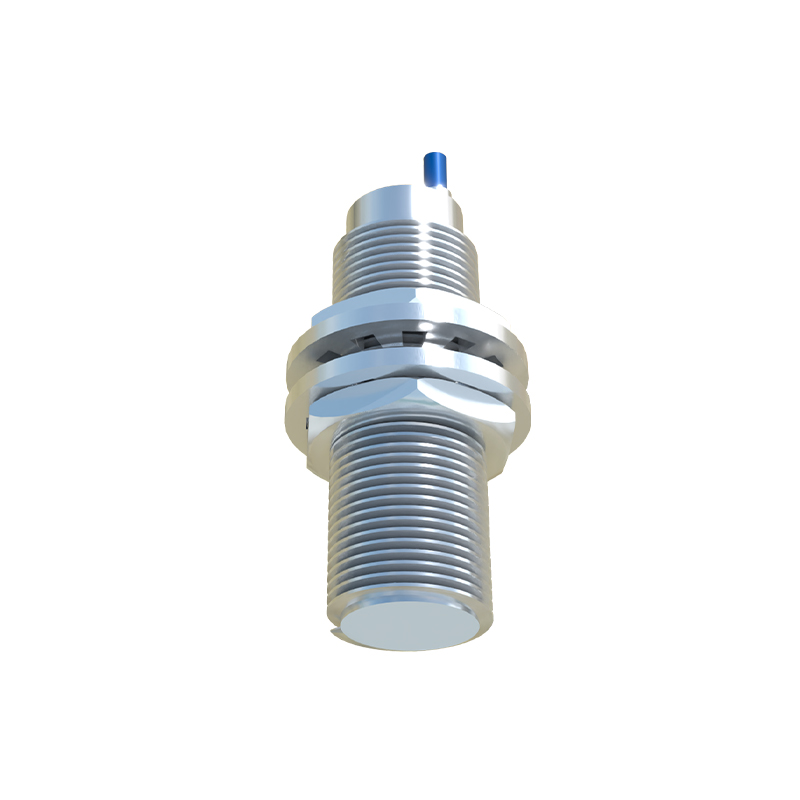
When evaluating a sensor sample, several critical technical specifications must be analyzed. Sensing range, typically specified in millimeters, defines the maximum distance at which the sensor can reliably detect a standard target. It is crucial to consider both the nominal sensing range and any derating factors for different materials. The housing material and design (e.g., cylindrical, rectangular, or ring-shaped) must withstand the operational environment, including exposure to chemicals, oils, temperature extremes, and physical impacts. IP (Ingress Protection) ratings, such as IP67 or IP69K, indicate the level of protection against dust and water ingress, which is vital for harsh industrial settings.
Output configuration is another pivotal factor. Sensors commonly offer discrete outputs like NPN (sinking), PNP (sourcing), or both. The choice depends on the control system's input module requirements (e.g., PLC). Some advanced models provide analog outputs (4-20 mA or 0-10 V) for distance-proportional signaling or IO-Link digital communication for enhanced diagnostics, parameterization, and integration into Industry 4.0 frameworks. Response time, the speed at which the sensor reacts to a target's presence, is critical for high-speed automation lines.
Electrical characteristics, including operating voltage (commonly 10-30 V DC or 90-250 V AC) and current consumption, must align with the available power supply. Connection methods, such as pre-wired cables, quick-disconnect connectors, or terminal blocks, affect installation ease and maintenance. Additionally, features like short-circuit protection, reverse polarity protection, and LED status indicators enhance operational safety and troubleshooting.
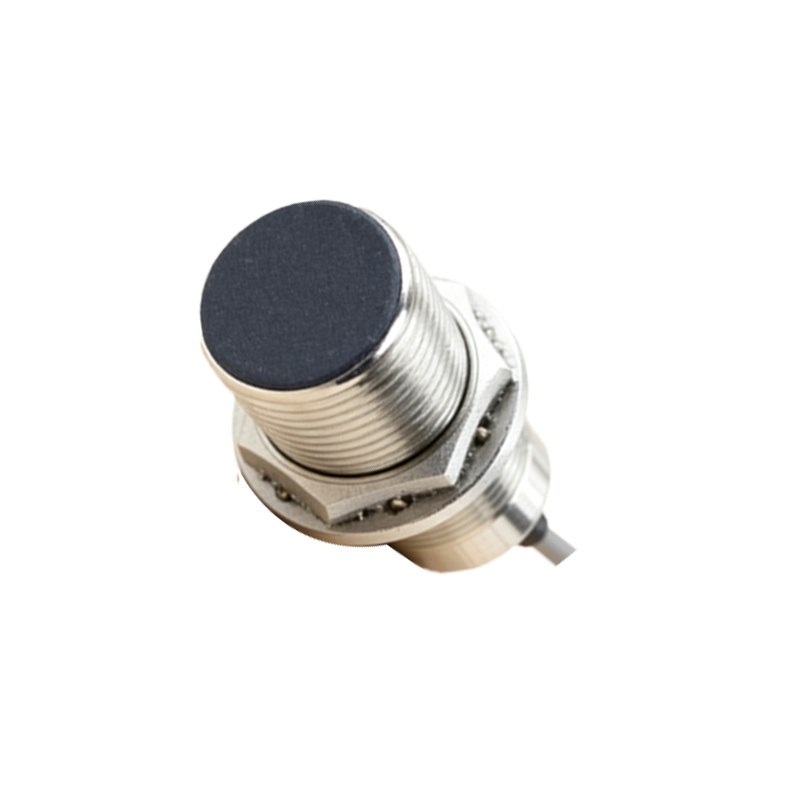
Application context dictates specific requirements. In machine tools, sensors with high repeat accuracy and resistance to coolant are essential. For packaging machinery, fast-response sensors capable of detecting small or fast-moving objects are preferred. In material handling, robust sensors with extended sensing ranges might be necessary. Always request a sample for real-world testing under actual conditions—consider factors like target material, size, shape, approach direction, and environmental interferences (e.g., adjacent metal or electrical noise).
Finally, partner with reputable manufacturers who provide detailed datasheets, technical support, and customization options. A well-chosen proximity sensor sample not only validates performance but also ensures long-term system stability, reducing downtime and maintenance costs. By methodically assessing type, specifications, output, electrical needs, and application demands, engineers can make an informed selection that enhances automation efficiency and reliability.