The modern laser printer is a marvel of precision engineering, a complex electromechanical system that reliably transforms digital data into physical pages. At the heart of this reliability lies a sophisticated network of sensors. These components act as the printer's nervous system, constantly monitoring, adjusting, and ensuring every step of the printing process—from paper pickup to fuser temperature—occurs flawlessly. While the exact count varies by model and manufacturer, a typical desktop or office laser printer incorporates between 15 to 25 distinct sensors. High-volume production printers can feature even more. These sensors can be broadly categorized by their function: paper path monitoring, toner and consumable management, internal environment control, and safety interlocks.
The most critical and numerous sensors are dedicated to the paper path. Paper handling is a primary point of failure, and sensors here prevent jams and ensure registration. It begins with the paper empty sensor, usually a mechanical lever or optical sensor in the tray. As paper feeds, a paper pickup sensor confirms the feed roller has successfully grabbed a sheet. The sheet then passes a series of paper presence sensors (often opto-interrupters or photo-interrupters) at strategic points—after the separation pad, before the registration roller, and in the duplexing path for two-sided printing. The registration sensor is particularly vital; it detects the leading edge of the paper and signals the imaging drum to begin transferring the toner at the exact correct moment, ensuring the image is placed accurately on the page. Finally, paper exit sensors verify the page has successfully left the fuser assembly and been delivered to the output tray.
Managing toner and other consumables is another key area. The toner level sensor is a well-known example. Many printers use an optical sensor that shines a light through a translucent section of the toner cartridge; the amount of light detected correlates to powder level. Some systems employ a piezoelectric sensor that estimates level based on the weight or agitation of the toner. Separate waste toner bottle sensors monitor the container that holds excess toner cleaned from the drum. Furthermore, drum life sensors and fuser life sensors track the operational cycles of these wear items, alerting the user or service technician when preventive maintenance or replacement is due based on page counts, temperature history, or rotational time.
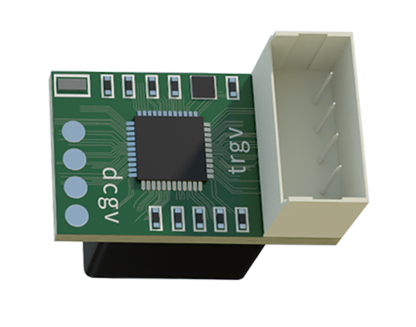
Environmental control within the printer is crucial for consistent print quality. The fuser temperature sensor is arguably the most important sensor for output integrity. Typically a thermistor in direct contact with the fuser roller or lamp, it provides real-time feedback to the printer's main controller, which adjusts power to the fuser heater to maintain a precise temperature (often around 180-200°C). This ensures toner is permanently melted onto the paper without causing burns or wrinkles. Ambient temperature and humidity sensors may also be present in higher-end models, allowing the printer to fine-tune electrostatic charges and motor speeds for optimal performance in varying conditions.
Safety and interlock sensors protect both the user and the machine. Door open sensors or cover interlock switches are simple mechanical switches that halt all printer operations and disable lasers and high-voltage components when any access panel is opened. Thermal fuses or over-temperature sensors near the fuser act as fail-safes, permanently breaking the circuit if the fuser overheats beyond a safe threshold, preventing a potential fire hazard. In printers with high-voltage power supplies, current sensors may monitor for electrical faults.
The operation of these sensors is coordinated by the printer's main controller (CPU). The controller polls the sensors continuously, creating a closed-loop feedback system. For instance, if the registration sensor does not detect paper within a specific time after the pickup sensor is triggered, the controller interprets this as a jam, stops the process, and alerts the user. This integration turns a collection of mechanical parts into an intelligent, self-monitoring device.
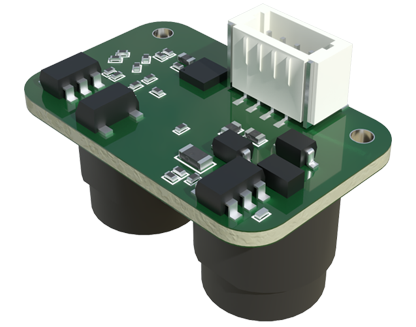
In summary, the seemingly simple act of printing a page is governed by a dense array of sensing technologies. From basic mechanical levers and optical interrupters to precise thermistors and piezoelectric elements, each sensor plays a dedicated role in reliability, quality, and safety. Understanding this sensor ecosystem is fundamental for technicians diagnosing faults and for engineers designing the next generation of these essential office workhorses. The trend towards "smart" connected printers is only increasing the role of sensor data, feeding information into predictive maintenance algorithms and remote management systems.