Turbine proximity sensors have become a cornerstone technology in modern industrial automation and machinery monitoring. Their primary function is to detect the presence, position, or vibration of a rotating shaft or turbine blade without making physical contact. But how good are they really? The answer lies in a detailed examination of their operating principles, key advantages, inherent limitations, and ideal applications.
At their core, most turbine proximity sensors operate on the eddy current principle. The sensor generates a high-frequency electromagnetic field from its active face. When a conductive target, such as a turbine shaft or blade, enters this field, it induces circular electrical currents called eddy currents within the target. These eddy currents create their own opposing magnetic field, which interacts with the sensor's field. The sensor's electronics detect this interaction—typically a change in oscillation amplitude or frequency—and convert it into a precise voltage or digital signal proportional to the distance to the target. This non-contact method is fundamental to their reliability.
The advantages of using turbine proximity sensors are significant and explain their widespread adoption. First and foremost is their non-contact nature. Since there is no physical wear between the sensor and the rotating component, they offer exceptional long-term reliability and require minimal maintenance compared to mechanical limit switches. This leads to reduced downtime and lower lifecycle costs. Secondly, they provide extremely high-resolution measurements. Modern sensors can detect minute changes in position or vibration, down to micron levels, making them indispensable for precise clearance monitoring in turbines and compressors. Their high-speed response capability allows them to accurately track very fast rotational speeds and detect sudden changes or imbalances. Furthermore, they are generally robust, capable of operating in harsh industrial environments with exposure to oil, coolant, dust, and high temperatures, provided the correct housing and rating are selected. Finally, they deliver a continuous analog output (like 4-20 mA or voltage), which is ideal for condition monitoring systems that track trends in vibration and position over time, enabling predictive maintenance strategies.
However, no technology is perfect, and turbine proximity sensors have specific limitations that must be considered for successful application. Their performance is highly dependent on the target material. They work optimally with ferrous metals like steel and iron. Non-ferrous metals like aluminum or copper require sensors specifically calibrated for them, and they are entirely ineffective on non-conductive materials like plastics or ceramics. The sensing range is also relatively short, typically a few millimeters. The installation demands precision; the sensor must be mounted securely and aligned correctly with the target to ensure accurate and stable readings. Environmental factors like extreme temperatures, strong electromagnetic interference, or conductive contaminants (like metal chips) in the air gap can also affect performance. Lastly, they tend to be more expensive initially than simple mechanical switches, though the total cost of ownership is often lower.
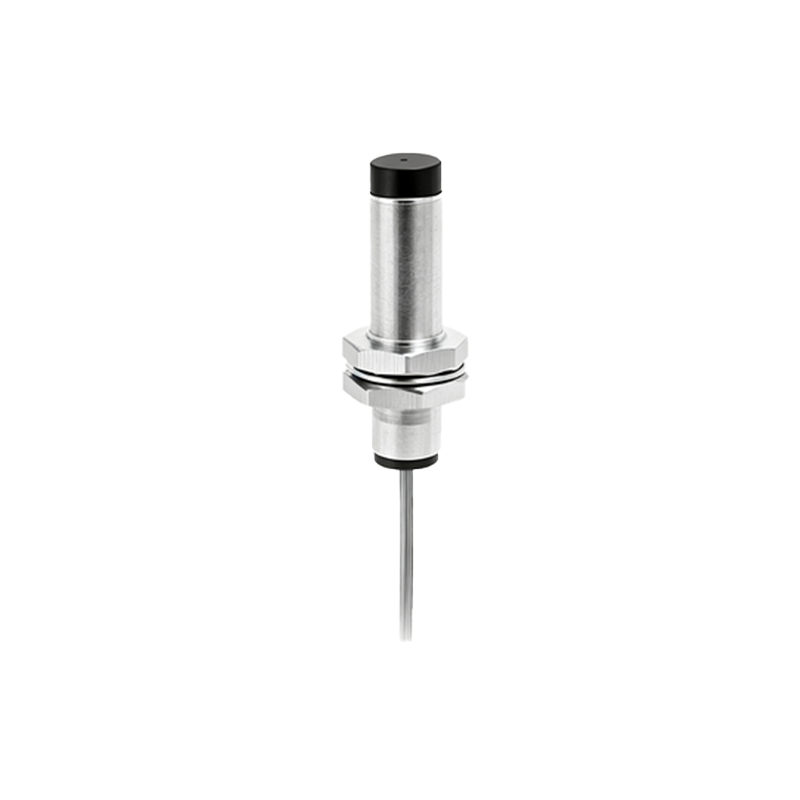
So, where do they perform exceptionally well? Their primary domain is in high-value, critical rotating machinery. They are the standard for monitoring radial and axial shaft displacement (position) in steam and gas turbines, generators, and large centrifugal compressors. They are crucial for vibration analysis, helping to identify unbalance, misalignment, bearing wear, and blade-pass issues before they lead to catastrophic failure. They are also used for speed measurement and overspeed protection, as well as for detecting the Zero RPM or "at-speed" status of a shaft. Outside power generation, they find use in precision manufacturing, such as monitoring spindle runout in CNC machines.
In conclusion, turbine proximity sensors are exceptionally good at what they are designed for: providing reliable, precise, and non-contact measurement of conductive metallic targets in demanding dynamic environments. Their value is not in being a universal sensor but in being a specialized tool for critical machinery health monitoring. When selected correctly for the target material, installed with care, and integrated into a proper condition monitoring system, they are an outstanding investment. They empower engineers to move from reactive breakdown maintenance to proactive predictive maintenance, safeguarding expensive assets and ensuring operational continuity. Therefore, for monitoring the vital signs of rotating equipment, the performance of a high-quality turbine proximity sensor is not just good—it is often indispensable.