In the world of industrial automation, robotics, consumer electronics, and automotive systems, the humble proximity sensor plays a colossal role. These devices, which detect the presence or absence of an object without physical contact, are critical for safety, efficiency, and innovation. With a market flooded with options from numerous global and regional manufacturers, a common and pressing question arises: which proximity sensor company is truly the best? The answer is not a simple one, as "best" is highly dependent on the specific application, performance requirements, and budget constraints. This guide aims to navigate the competitive landscape by examining key players and the factors that define excellence in this field.
The definition of a "strong" or leading manufacturer encompasses several pillars: technological innovation, product reliability and durability, breadth of product portfolio, global support and availability, and finally, value for money. A top-tier company doesn't just excel in one area but demonstrates consistent competence across all.
When discussing industry leaders, several names consistently rise to the top. Omron, a Japanese multinational, is often the first name mentioned. Renowned for their exceptional reliability and extensive R&D, Omron sensors are a benchmark in the industry. They offer an incredibly wide range, from standard inductive and capacitive sensors to sophisticated photoelectric and ultrasonic variants. Their products are known for robust construction, often exceeding stated specifications for environmental resistance (like IP67/IP68 ratings), making them a default choice for demanding factory automation applications.
Another European powerhouse is Sick AG. Based in Germany, Sick is synonymous with high-precision, advanced sensor technology. They are pioneers in areas like safety sensors, distance measurement, and complex background suppression for photoelectric sensors. For applications requiring extreme accuracy, sophisticated diagnostics, or integration into complex safety systems (aligned with standards like SIL2/SIL3), Sick's solutions are frequently unparalleled. Their strength lies in solving difficult sensing challenges where standard sensors fail.
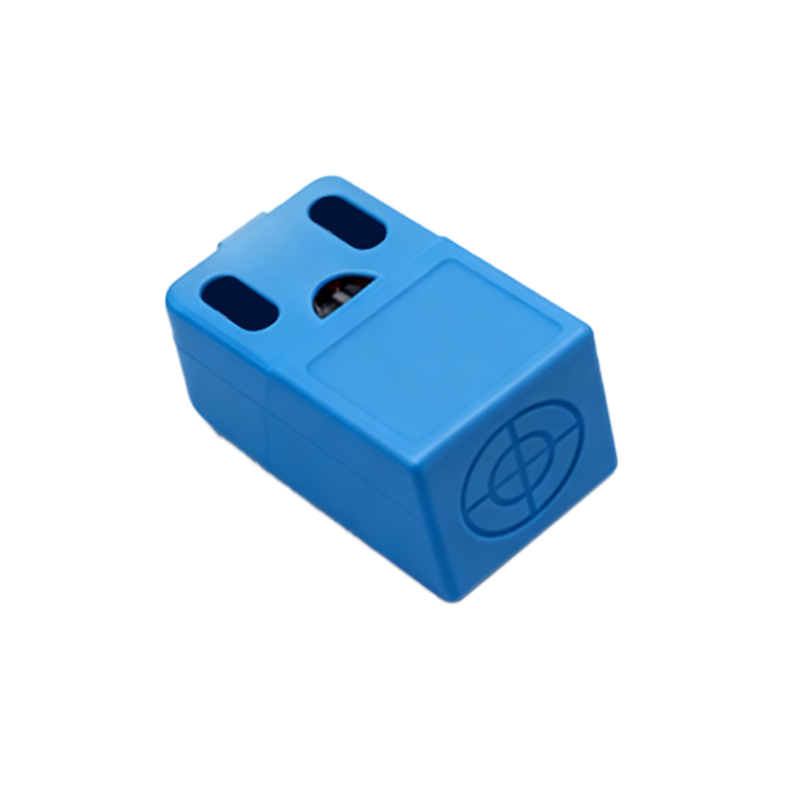
Pepperl+Fuchs, also from Germany, is a titan in the field of intrinsic safety and hazardous area sensors. For industries such as oil and gas, chemical, and pharmaceuticals, where explosive atmospheres are a concern, Pepperl+Fuchs offers certified products that are industry standards. Their expertise in galvanic isolation and robust signal integrity is exceptional. Beyond hazardous areas, they provide a comprehensive portfolio of high-quality inductive, capacitive, and ultrasonic sensors known for longevity.
From the United States, Rockwell Automation (Allen-Bradley) and Banner Engineering command significant respect. Rockwell's sensors are deeply integrated into their ecosystem of programmable logic controllers (PLCs) and networking solutions, offering seamless compatibility for users standardized on their architecture. Banner Engineering, meanwhile, is celebrated for its user-friendly design, innovation in miniaturization, and strong performance in photoelectric sensing. They are often praised for providing excellent performance at a competitive price point, with great technical support.
Emerging and specialized players also make their mark. Turck, with its innovative connectorization and rugged designs, excels in harsh environments. ifm electronic is known for its high-quality inductive sensors and effective predictive maintenance features integrated into their devices. Panasonic and Keyence (especially for ultra-high-precision and vision-based systems) are dominant forces in electronics manufacturing and high-tech automation, respectively.
So, who is the strongest? It depends entirely on your needs.
For general-purpose, high-reliability industrial automation with a need for a vast selection, Omron is a stellar all-rounder.
For high-precision, complex, or safety-critical applications, Sick and Pepperl+Fuchs are often the top contenders.
For seamless integration within a Rockwell-controlled environment, their own sensor lines are logical.
For excellent value, innovation in photoelectric sensing, and strong support, Banner Engineering is a fantastic choice.
For harsh and hazardous locations, Pepperl+Fuchs and Turck are leaders.
Beyond the brand name, the true test is in the specification sheet and real-world performance. Always consider the sensing distance, material of the target object, environmental conditions (temperature, contaminants), electrical requirements (PNP/NPN, output type), housing material, and required certifications. A sensor from a "lesser-known" manufacturer that perfectly matches your exact specification will outperform a premium sensor that is a poor fit.
Ultimately, the strongest proximity sensor manufacturer is the one that provides the most reliable, cost-effective, and technically suitable solution for your specific challenge. It is recommended to obtain samples from two or three shortlisted manufacturers for rigorous testing in the actual application environment. Consult with authorized distributors and engineering support teams who can provide critical application insight. In the dynamic field of sensing, the best choice is an informed one, balancing proven performance with innovative solutions tailored to drive your project's