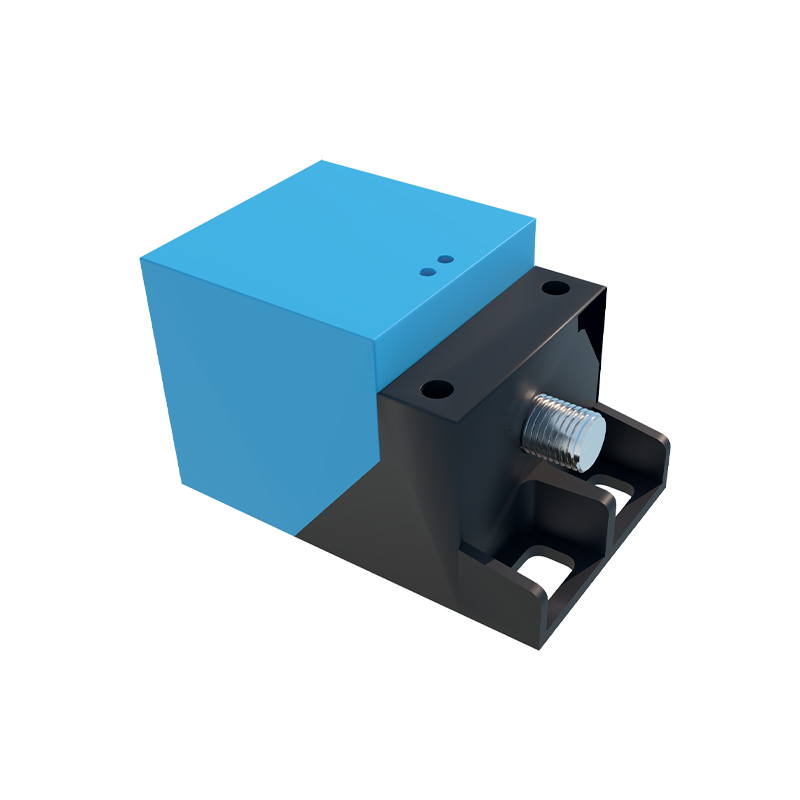
In the realm of industrial automation and control systems, magnetic proximity switch sensors stand as a cornerstone technology for non-contact detection and position sensing. These robust and reliable devices operate on a fundamental principle: they detect the presence or absence of a magnetic field, typically generated by a permanent magnet or an electromagnet. Unlike mechanical limit switches, they have no moving parts to wear out, offering exceptional longevity and maintenance-free operation in harsh environments. The core sensing element is usually a reed switch or a Hall-effect sensor. A reed switch consists of two ferromagnetic, flexible metal reeds sealed within a glass tube filled with an inert gas. When an external magnetic field of sufficient strength is applied, the reeds magnetize, attract each other, and make contact, closing the circuit. When the magnet moves away, the reeds' spring force separates them, opening the circuit. Hall-effect sensors, on the other hand, are solid-state semiconductors. They generate a voltage (the Hall voltage) proportional to the strength of an applied magnetic field perpendicular to the current flow. This voltage change is processed by integrated electronics to produce a clean, digital output signal.
The advantages of magnetic proximity sensors are numerous. Their non-contact nature eliminates mechanical wear and tear, leading to a virtually infinite operational life in terms of switching cycles. They are immune to contaminants such as dust, oil, coolant, and moisture, making them ideal for use in dirty or washdown applications like food processing, packaging machinery, and automotive assembly lines. They can detect objects through non-ferrous materials like aluminum, plastic, or glass, allowing for concealed mounting. Furthermore, they offer high switching speeds and excellent repeat accuracy.
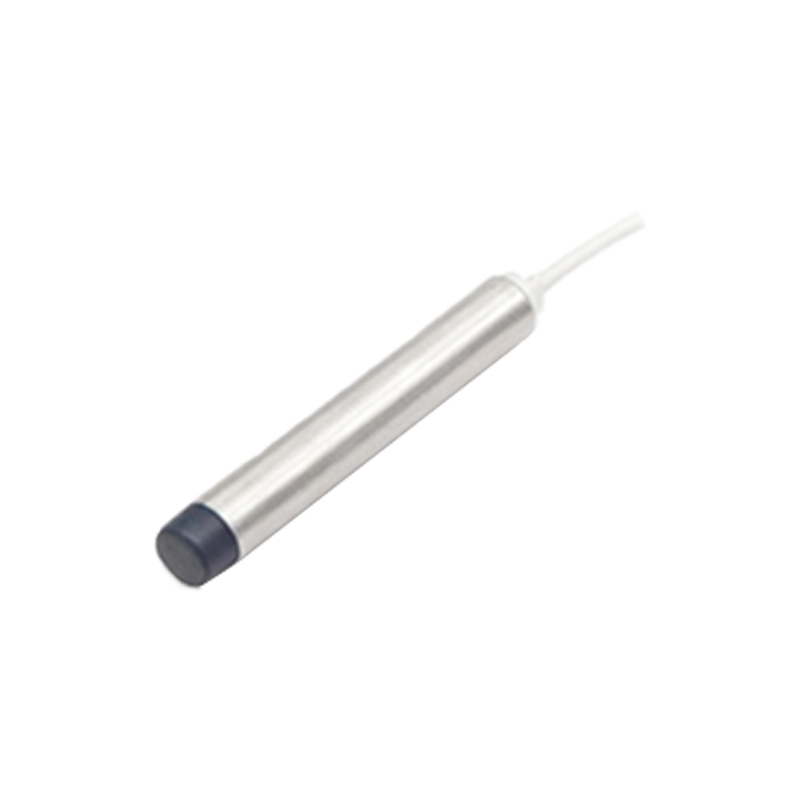
Applications for magnetic proximity switches are vast and varied across industries. A classic example is cylinder position sensing in pneumatic and hydraulic systems. A magnet is embedded in the piston, and sensors mounted on the cylinder body detect its end-of-stroke positions, providing critical feedback to the PLC. They are ubiquitous in material handling for detecting the position of doors, gates, and elevators. In the automotive sector, they are used for seat belt detection, gearbox position sensing, and detecting the open/closed status of hoods and trunks. Safety systems, such as machine guarding and interlock switches on protective doors, heavily rely on magnetic sensors for fail-safe operation.
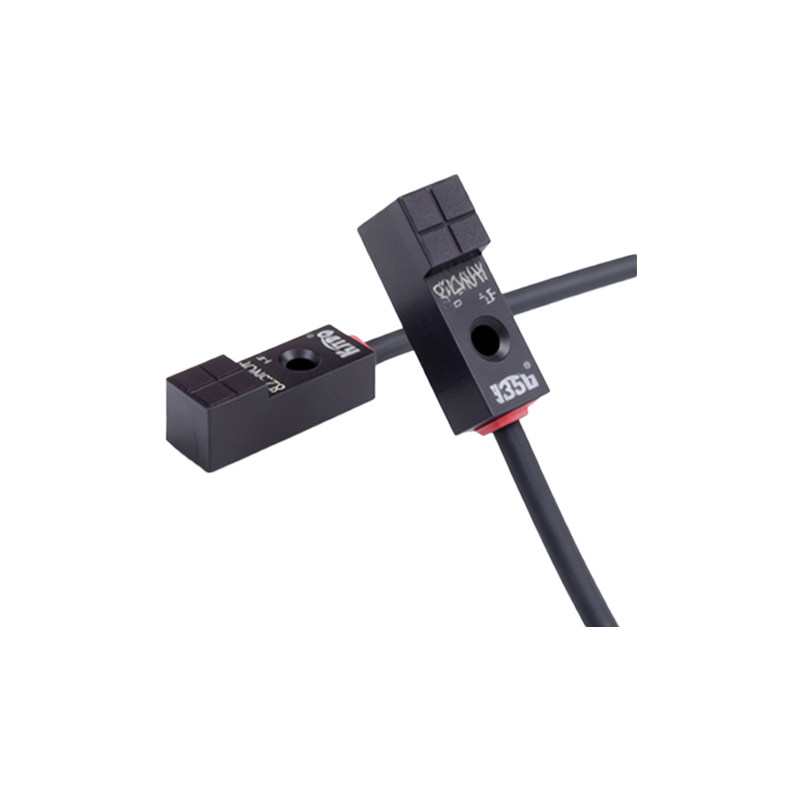
Selecting the right magnetic proximity sensor requires careful consideration of several key parameters. First, define the sensing distance or operating point—the distance at which the sensor reliably detects the magnet. This is influenced by magnet size, strength, and sensor sensitivity. Second, consider the output type: PNP (sourcing) or NPN (sinking) transistor outputs are standard for DC sensors, while AC models may use relay contacts. Analog outputs (voltage or current) are available for proportional distance measurement. The housing material is critical for environmental compatibility; stainless steel (e.g., V4A/AISI 316L) is preferred for corrosive or hygienic environments, while nickel-plated brass or PBT plastic may suffice for general purposes. Electrical characteristics like supply voltage range, output current, and switching frequency must match the control system's requirements. Protection ratings, denoted by IP (Ingress Protection) codes (e.g., IP67, IP69K), indicate the level of protection against dust and water immersion, which is vital for harsh conditions. Finally, consider the mounting style—threaded barrel, flat-pack, or slot-style—and connection method, such as pre-wired cables or quick-disconnect connectors.
Installation and maintenance are straightforward but crucial for optimal performance. Ensure the correct alignment between the sensor and the magnet; the sensing face must be parallel to the magnet's pole face for maximum range. Maintain the specified gap and avoid ferrous metal in the sensing path, which can shield or distort the magnetic field. While largely maintenance-free, periodic functional checks are recommended to ensure the output signal integrity, especially in critical safety applications.
In conclusion, magnetic proximity switch sensors are indispensable components in modern automation. Their durability, versatility, and reliability make them a superior choice for countless position-sensing tasks. By understanding their operating principles, key advantages, and the detailed selection criteria outlined above, engineers and technicians can effectively integrate these sensors to enhance system performance, safety, and efficiency. As technology advances, we see further integration of smart features like IO-Link communication, which provides diagnostic data and parameterization capabilities, pushing the humble magnetic sensor into the era of Industry 4.0.