In the dynamic landscape of industrial automation, the demand for precision, reliability, and efficiency is paramount. Proximity sensors, as the silent sentinels of modern machinery, play a critical role in detecting the presence or absence of objects without physical contact. While off-the-shelf sensors serve many applications, the complexities of specialized industrial environments often necessitate custom-engineered solutions. A dedicated custom proximity sensor company bridges this gap, transforming standard technology into bespoke tools that drive innovation and solve unique operational challenges.
The core mission of such a specialized firm is to move beyond catalog offerings. It begins with a deep-dive consultation process, where engineers collaborate closely with clients to understand the specific application, environmental constraints, and performance requirements. Is the sensor operating in extreme temperatures, exposed to corrosive chemicals, or subject to intense vibration? Must it detect a unique material with non-standard electrical properties, or fit into an exceptionally confined space? These are the questions that define the customization journey. The process typically involves several key phases: requirement analysis, conceptual design, prototype development, rigorous testing, and final production.
Material science is a fundamental pillar of customization. Standard housings may be insufficient for harsh environments. A custom provider might specify high-grade stainless steel for washdown applications in food processing, ceramic faces for extreme abrasion resistance in mining, or specialized polymers for chemical compatibility in pharmaceutical manufacturing. The sensing technology itself—whether inductive, capacitive, ultrasonic, or photoelectric—is selected and tuned based on the target object's composition, required sensing distance, and response speed. For instance, a capacitive sensor might be finely calibrated to detect precise levels of a non-metallic liquid through a tank wall, a task impossible for a standard inductive model.
Electrical and output characteristics are equally tailored. Voltage ranges, output types (PNP/NPN, analog, IO-Link), and connection styles are configured to integrate seamlessly with the client's existing control systems. Packaging and form factor design are crucial for mechanical integration. Engineers may design sensors with unusual shapes, extended sensing ranges, or built-in amplifiers to overcome spatial limitations. In high-speed assembly lines, minimizing the sensor's dead zone or optimizing its switching frequency can be the difference between optimal throughput and costly downtime.
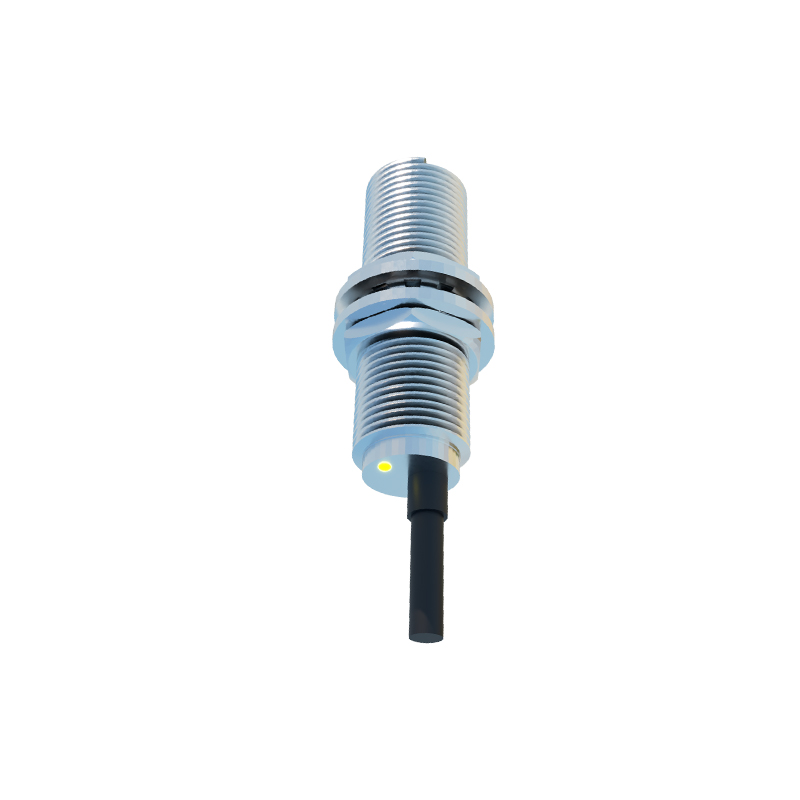
The value proposition of partnering with a custom proximity sensor manufacturer extends far beyond obtaining a unique physical product. It encompasses a partnership focused on solving problems and enhancing system performance. Clients gain access to expert engineering support, often leading to more elegant and cost-effective machine designs. Long-term benefits include increased machine uptime, reduced false triggers, lower maintenance costs, and improved product quality. Furthermore, customization can future-proof equipment, allowing for adaptability as production needs evolve.
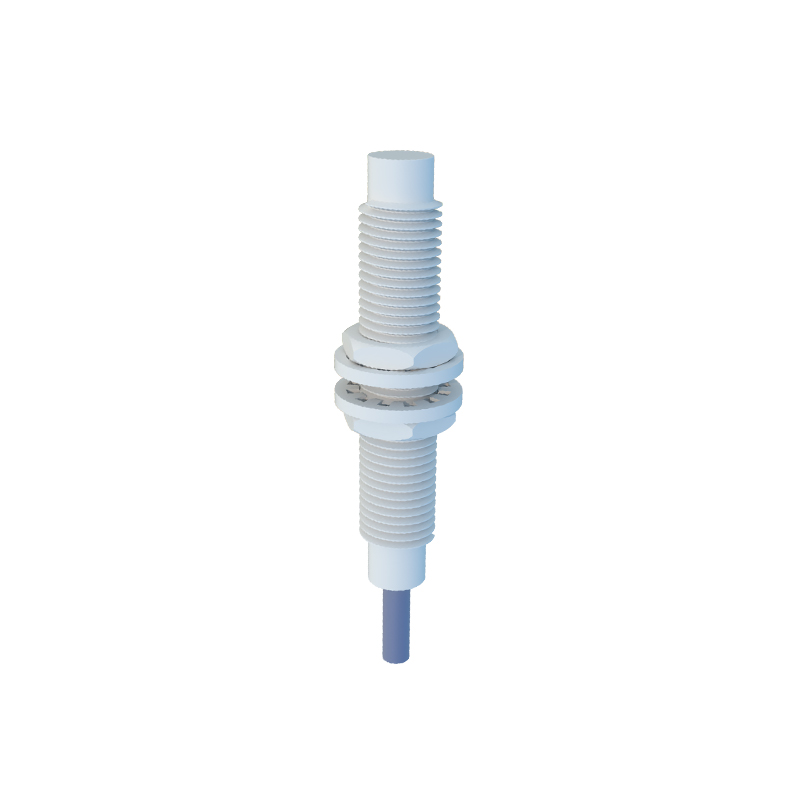
Industries such as automotive manufacturing, packaging, material handling, and semiconductor fabrication frequently leverage these services. In automotive robotics, custom sensors ensure precise weld gun positioning. In packaging, they detect transparent films or uniquely shaped containers. The renewable energy sector uses ruggedized sensors for monitoring in wind turbines or solar panel positioning systems.
In conclusion, the role of a custom proximity sensor company is that of a technological enabler. By transforming a fundamental component into a specialized solution, these firms empower industries to push the boundaries of automation. They provide not just a sensor, but a critical piece of engineered intelligence designed for resilience, precision, and seamless integration. In an era where efficiency and adaptability are key competitive advantages, the ability to tailor sensing technology to exact needs is not merely an option—it is a strategic imperative for forward-thinking operations.