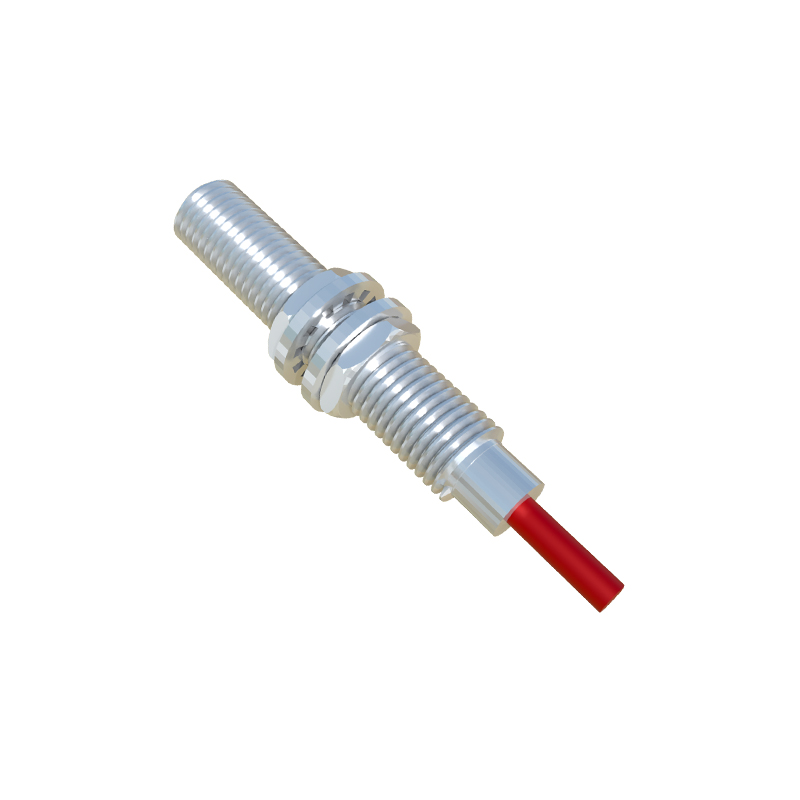
In today's rapidly automating industrial landscape, the demand for reliable sensing technology is at an all-time high. Universal proximity sensors, the versatile workhorses of non-contact detection, are experiencing significant growth in sales across diverse sectors. These devices, which detect the presence or absence of an object without physical contact, are fundamental to enhancing efficiency, safety, and precision in manufacturing, packaging, automotive assembly, and material handling operations. The sales trajectory for these components is not merely a function of increased industrial activity but a reflection of deeper technological integration and evolving application needs.
The driving forces behind the robust sales of universal proximity sensors are multifaceted. Primarily, the global push towards Industry 4.0 and smart factory initiatives necessitates a dense network of sensors to feed data into centralized control systems. Proximity sensors provide critical real-time information on machine cycles, part positioning, and inventory levels, enabling predictive maintenance and reducing costly downtime. Furthermore, the miniaturization of sensors and improvements in sensing ranges, coupled with enhanced resistance to environmental factors like dust, coolant, and extreme temperatures, have expanded their applicability. Sales data indicates a rising preference for inductive, capacitive, and ultrasonic variants, each chosen based on the target material—metallic, non-metallic, or liquid—and the specific environmental challenges of the application.
From a buyer's perspective, navigating the universal proximity sensor market requires careful consideration of several technical and commercial factors. The first is sensing technology. Inductive sensors are ideal for detecting metals and are renowned for their durability in harsh industrial settings. Capacitive sensors can detect a wider range of materials, including plastics, wood, and liquids, making them versatile for packaging and level detection. Ultrasonic sensors excel in longer-range detection and are unaffected by color or transparency. The second critical factor is the output configuration. Decisions between NPN (sinking) and PNP (sourcing) transistor outputs, or relay contacts, must align with the existing control system architecture, typically dictated by regional standards and PLC compatibility.
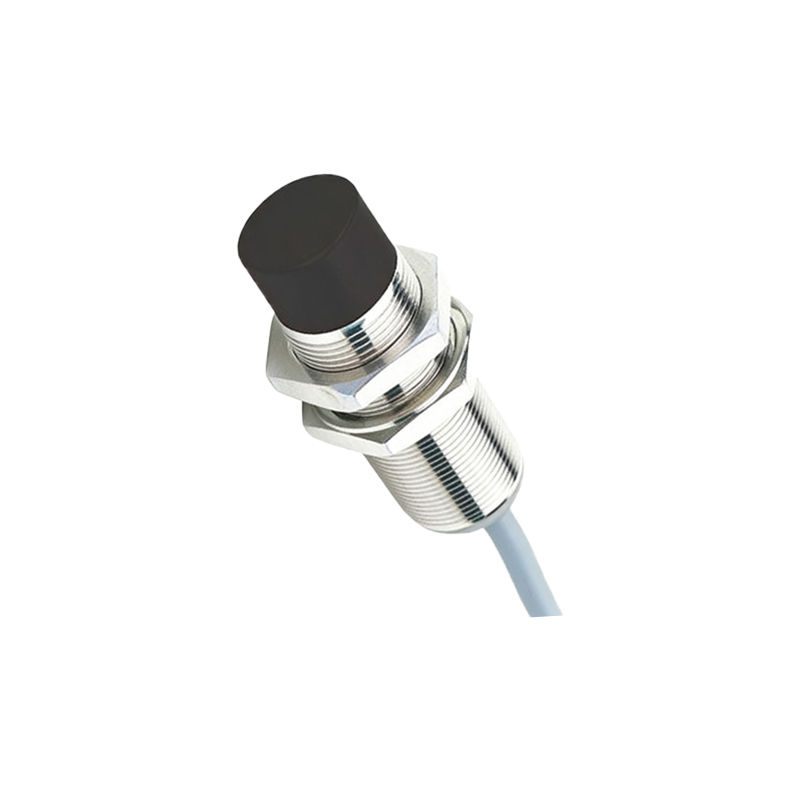
Beyond core functionality, physical design plays a pivotal role in purchasing decisions. Housing material, typically nickel-plated brass or stainless steel, determines corrosion resistance. Form factors, such as cylindrical barrels, rectangular blocks, or slot-style sensors, must fit the mechanical constraints of the installation. Key performance specifications like nominal sensing distance, repeat accuracy, response frequency, and protection ratings (IP67/IP69K for water and dust resistance) are non-negotiable checkpoints. The trend towards IO-Link enabled sensors is also influencing sales, as this communication protocol allows for parameter setting, advanced diagnostics, and condition monitoring directly from the controller, adding a layer of intelligence to simple presence detection.
The sales channel itself is evolving. While traditional industrial distributors remain a cornerstone for availability and technical support, online marketplaces and direct manufacturer e-commerce platforms are gaining substantial traction. Buyers increasingly expect detailed datasheets, CAD models for easy integration into machine designs, and clear comparison tools. Competitive pricing is a given, but the total cost of ownership, which includes reliability, mean time between failures (MTBF), and ease of replacement, often outweighs the initial purchase price. Leading manufacturers are competing not just on sensor quality but on the strength of their global supply chains, ensuring consistent availability—a factor that has become paramount in the post-pandemic era.
Looking ahead, the sales market for universal proximity sensors is poised for continued innovation and expansion. Integration with wireless technology for easier installation in rotating or moving equipment, and the development of sensors with embedded logic for simpler standalone applications, are on the horizon. As industries strive for greater flexibility and resilience, the humble proximity sensor will remain an indispensable, though increasingly smart, component in the automation toolkit. For procurement specialists and engineers, success lies in a strategic approach that balances immediate application requirements with long-term operational goals, ensuring that each sensor purchased contributes directly to productivity and competitive advantage.