In the realm of industrial automation and precision measurement, laser sensors stand as critical components, enabling tasks ranging from object detection and positioning to distance measurement and quality control. A common yet often underestimated point of failure in these sophisticated devices is the protective glass or lens covering the laser emitter and receiver. When this laser sensor glass breaks, it can lead to a cascade of operational issues, compromising system integrity, accuracy, and safety. This article delves into the causes, consequences, and comprehensive solutions for addressing broken laser sensor glass, providing essential guidance for maintenance engineers and system integrators.
The primary role of the sensor glass is to protect the delicate internal optical components—such as laser diodes, photodetectors, and intricate lens assemblies—from environmental contaminants. This includes dust, moisture, oil mist, metal shavings, and chemical splashes prevalent in industrial settings like manufacturing floors, automotive assembly lines, and food processing plants. The glass is typically designed to be optically clear to minimize interference with the laser beam's transmission and reception. When compromised, even a small crack or chip can have disproportionate effects.

Several factors can lead to the breakage of laser sensor glass. Mechanical impact is the most direct cause, resulting from accidental collisions with machinery, tools, or transported goods. Thermal stress is another significant factor; rapid temperature fluctuations or exposure to extreme heat can cause the glass to expand or contract unevenly, leading to cracks. In some cases, improper installation or mounting, which places undue stress on the housing, can weaken the glass seal over time. Furthermore, the use of incorrect cleaning agents or abrasive materials during maintenance can etch or weaken the glass surface, making it more susceptible to failure.
The immediate consequence of broken sensor glass is the ingress of contaminants. Dust particles on the glass surface can scatter the laser beam, causing signal attenuation or false reflections. Moisture or oil film can refract the light, leading to significant measurement errors. In severe cases, contaminants can reach the internal components, causing permanent damage to the laser diode or receiver optics. This manifests in operational symptoms such as erratic sensor readings, complete signal loss, intermittent operation, or frequent false triggers. The resulting downtime for troubleshooting and repair translates directly into lost productivity and increased maintenance costs. In precision-critical applications, such as robotic guidance or semiconductor wafer alignment, even minor inaccuracies can lead to defective products and substantial financial loss.
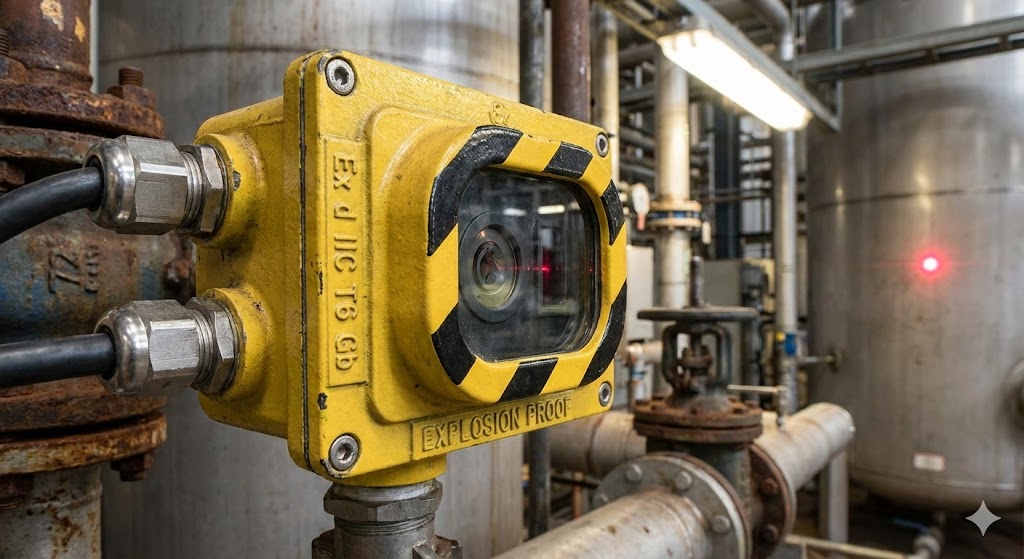
Upon identifying a broken glass cover, the first step is to safely power down and isolate the sensor from the system to prevent any electrical hazards or further damage. A thorough visual inspection should confirm the extent of the damage. For minor, superficial cracks that do not yet allow contaminant ingress, a temporary field fix might be considered. Specialized, optically clear epoxy resins designed for high-temperature and industrial environments can sometimes seal a hairline crack. However, this is strictly a short-term contingency measure and not a permanent repair, as it can affect optical properties and may not withstand long-term environmental exposure.
The definitive solution for a broken laser sensor glass is replacement. This typically involves one of two approaches: replacing the entire protective window assembly or, in some sensor designs, replacing the entire front housing module. It is crucial to source the exact replacement part from the original equipment manufacturer (OEM) or a certified supplier to ensure optical clarity, mechanical fit, and environmental sealing specifications (often rated by IP or NEMA standards) are met. The replacement procedure requires a clean, static-free environment. After carefully removing the damaged glass or housing, the sealing surfaces must be meticulously cleaned of any old adhesive or debris. The new component is then installed, often with a specified torque for screws and using the correct sealant or gasket to restore the ingress protection rating. Following replacement, comprehensive functional testing and recalibration are mandatory. The sensor should be tested against known distances or targets to verify measurement accuracy and signal strength have been restored to factory specifications.
Prevention is invariably more cost-effective than repair. Implementing proactive measures can drastically reduce the incidence of broken sensor glass. Physical protection is key; installing sturdy metal or polycarbonate guards around sensors in high-traffic or high-risk areas can absorb impacts. Selecting the right sensor for the environment is also critical. For harsh applications, specify sensors with reinforced glass (often sapphire or chemically strengthened glass), stainless steel housings, and higher IP ratings (e.g., IP67 or IP69K). Establishing and adhering to a proper cleaning protocol is essential. Use only recommended, non-abrasive cleaning tools and solutions, such as lint-free wipes and isopropyl alcohol, applied gently to the glass surface. Finally, integrating sensor health checks into routine preventive maintenance schedules allows for early detection of cracks or seal degradation before they lead to operational failure.
In conclusion, while a broken laser sensor glass may seem like a minor physical defect, its implications for system performance and reliability are profound. Understanding the risks, implementing immediate and correct corrective actions, and establishing robust preventive strategies are fundamental responsibilities in maintaining optimal industrial automation systems. By prioritizing the integrity of this small but vital component, engineers can ensure continuous operation, safeguard measurement precision, and uphold the overall efficiency and safety of their production processes.