In the realm of industrial automation and machinery, proximity switch sensors stand as fundamental components, silently ensuring precision, safety, and efficiency. These non-contact sensors detect the presence or absence of a target object without physical contact, making them indispensable in harsh, high-speed, or repetitive mechanical environments. This article delves into the operational principles, key types, mechanical integration considerations, and best practices for deploying proximity sensors in demanding applications.
At their core, proximity sensors operate by emitting an electromagnetic field or a beam of electromagnetic radiation and monitoring for changes in the field or return signal. The most prevalent types include Inductive, Capacitive, and Magnetic (Reed switch or Hall effect) sensors. Inductive proximity sensors are the workhorses of metal detection. They generate an oscillating electromagnetic field from a coil. When a conductive metal target enters this field, eddy currents are induced in the target, causing a change in the oscillation amplitude. This change is detected by the sensor's circuitry, triggering a solid-state output switch. Their robustness and immunity to non-metallic contaminants make them ideal for detecting metal parts, tool position, or end-of-travel limits in CNC machines, robotic arms, and assembly lines.
Capacitive proximity sensors, on the other hand, can detect both metallic and non-metallic materials—liquids, plastics, wood, and granular substances. They function by generating an electrostatic field. Any object with a dielectric constant different from air entering this field alters the sensor's capacitance, prompting a state change. This versatility is crucial in applications like level detection in tanks, material handling of non-metallic goods, or presence detection of packaged products.
For applications requiring detection of permanent magnets or in environments with extreme dirt or washdown, magnetic proximity sensors are preferred. Reed switch types use hermetically sealed ferromagnetic reeds that close in the presence of a magnetic field. Hall effect sensors produce a voltage difference when exposed to a magnetic field. These are commonly used for cylinder position sensing, door/window position detection, and in mobile machinery.
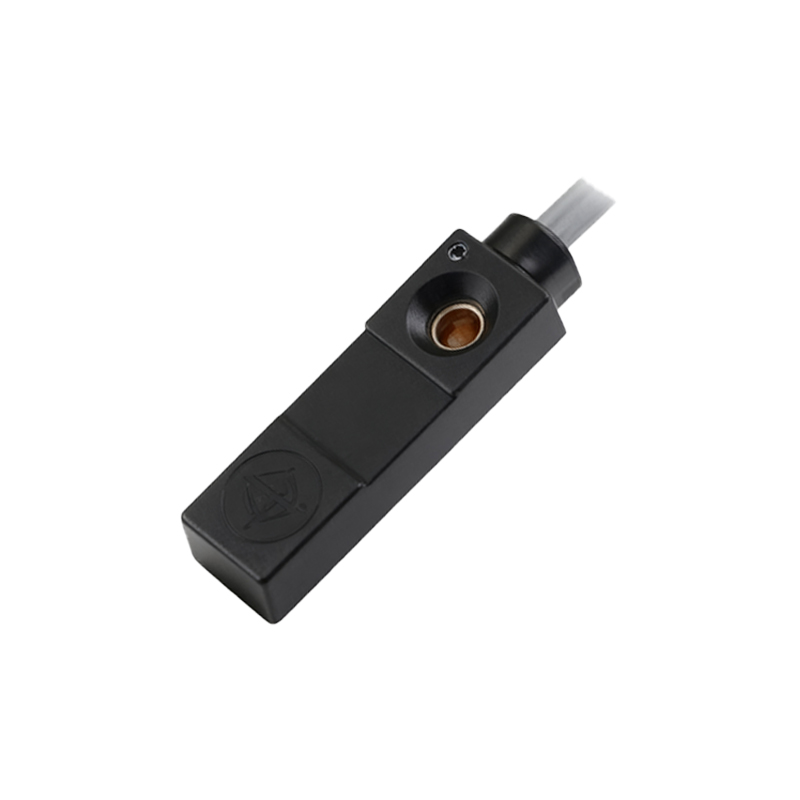
The mechanical integration of a proximity sensor is as critical as its selection. Key factors include mounting, sensing distance, and environmental protection. Mounting can be flush (embedded in a metal bracket) or non-flush. Flush-mounted inductive sensors have a reduced sensing range but are immune to lateral interference from surrounding metal. Non-flush types offer longer ranges but require a clear lateral area. The rated operating distance, or "Sn," is specified under standard conditions (typically mild steel for inductive). Engineers must apply derating factors for different target materials (e.g., aluminum, stainless steel) and shapes. Mechanical shock, vibration, and temperature extremes demand sensors with robust housings, typically made of nickel-plated brass, stainless steel, or PBT plastic. Ingress Protection (IP) ratings, such as IP67 (dust-tight and protected against temporary immersion) or IP69K (protected against high-pressure, high-temperature washdowns), are essential for harsh industrial and food & beverage environments.
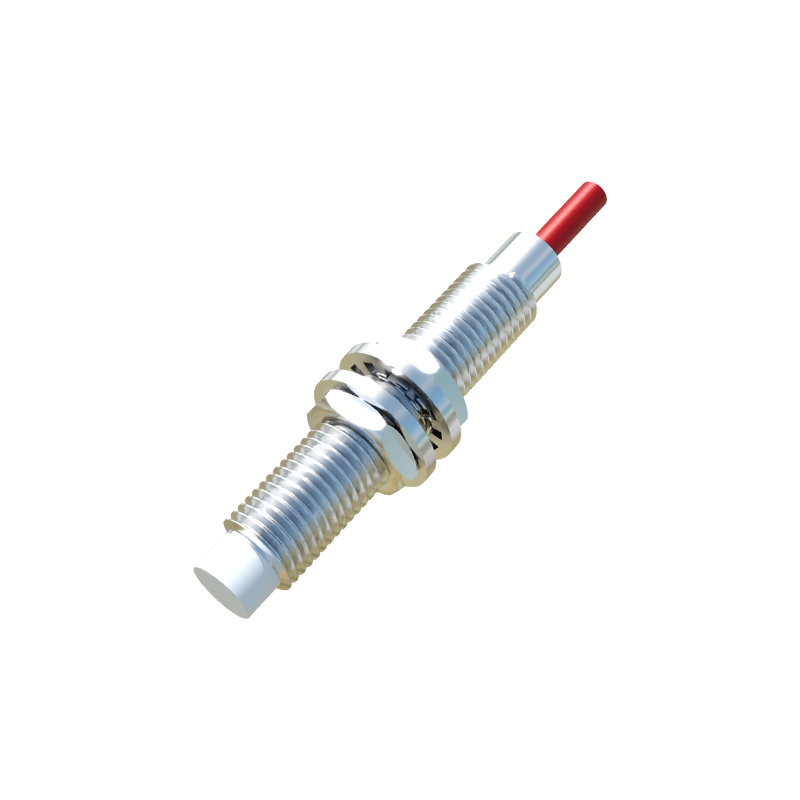
Electrical characteristics must align with the control system. Most industrial sensors offer DC (PNP-sourcing or NPN-sinking) or AC/DC models with outputs like Normally Open (NO) or Normally Closed (NC). Wiring practices, including the use of shielded cables in electrically noisy environments and proper grounding, are paramount to prevent false triggering. For high-speed counting or positioning, the sensor's switching frequency—how quickly it can toggle its output—must exceed the operational cycle speed.
Maintenance is minimal but vital. Regular checks should verify the sensor's physical integrity, cleanliness of the sensing face, and secure mounting. Diagnostic LEDs, now standard on most models, provide immediate status feedback. Common failure modes often relate not to the sensor itself but to mechanical misalignment, accumulated debris on the face, or electrical supply issues.
In conclusion, the successful application of proximity switch sensors in mechanical systems hinges on a thorough understanding of their technology and a meticulous approach to mechanical and electrical integration. By selecting the correct sensor type, ensuring proper installation, and accounting for the operational environment, engineers can build reliable, durable, and high-performing automated systems. These sensors, though small, form the essential sensory layer that enables modern machinery to operate with the intelligence and reliability demanded by today's industries.