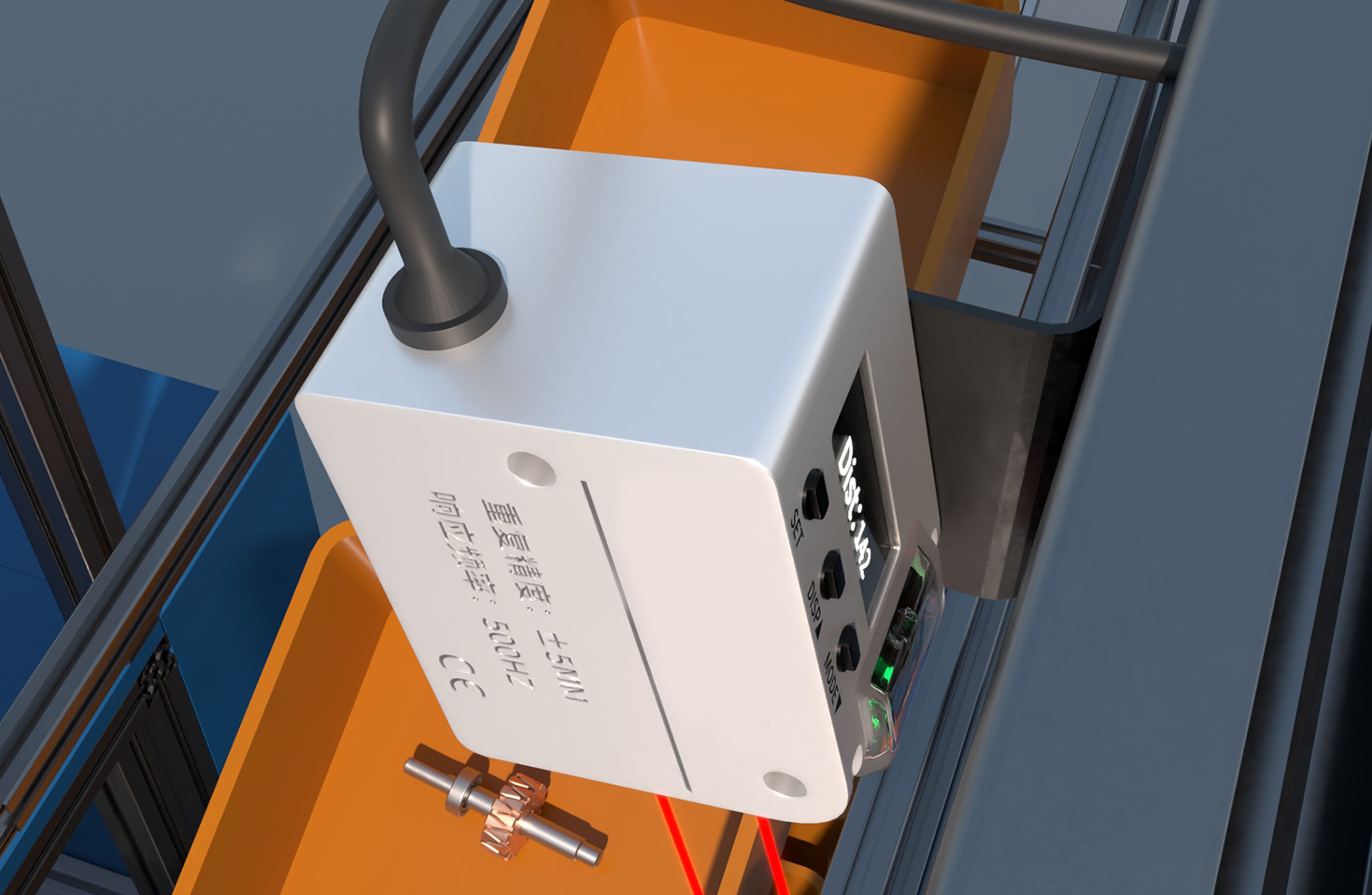
OptonCDT laser sensors represent a significant advancement in non-contact measurement technology, designed to meet the demanding requirements of modern industrial environments. These sensors utilize laser triangulation principles to deliver high-precision, reliable measurements of distance, displacement, and thickness with micron-level accuracy. The core mechanism involves projecting a focused laser beam onto the target surface. The reflected light is captured by a sensitive receiver, typically a CCD or CMOS array, and the position of the light spot is analyzed. By calculating the angle of the reflected beam, the sensor's integrated processor determines the exact distance to the target with exceptional speed and repeatability.
One of the defining characteristics of OptonCDT sensors is their robustness in challenging conditions. They are engineered to perform consistently despite factors like varying surface colors, textures, and materials, from shiny metals to dark, absorbent plastics. Advanced models incorporate sophisticated algorithms for background suppression and automatic exposure control, minimizing errors caused by ambient light or surface reflectivity changes. This makes them indispensable in quality control processes on production lines, where they monitor dimensions, detect defects, or ensure proper assembly alignment without physical contact that could damage delicate components.
The application spectrum for OptonCDT laser sensors is vast. In the automotive industry, they are deployed for gap and flush measurement on vehicle bodies, brake disc thickness monitoring, and vibration analysis. In electronics manufacturing, they ensure the precise placement of components on printed circuit boards and measure the coplanarity of BGA packages. Furthermore, in roll diameter control within paper, plastic, and metal foil production, these sensors provide continuous, real-time data to maintain product consistency. Their high sampling rates, often in the kilohertz range, enable dynamic measurement of fast-moving objects or rapid processes, capturing transient events that slower technologies would miss.
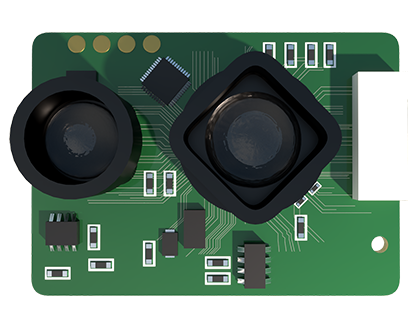
Integration into automated systems is streamlined through various analog and digital interfaces, such as 4-20 mA, 0-10 V, RS-422, and Ethernet-based protocols like EtherCAT or PROFINET. This connectivity allows seamless data transmission to PLCs (Programmable Logic Controllers) and SCADA (Supervisory Control and Data Acquisition) systems for immediate feedback and process adjustment. The sensors often feature compact, rugged housings with high ingress protection ratings (e.g., IP67), ensuring durability in environments with dust, moisture, or mechanical shock.
Selecting the appropriate OptonCDT model requires careful consideration of several parameters: measuring range, resolution, spot size, and standoff distance. A shorter measuring range typically offers higher resolution, while a larger spot size can average over rough surfaces for more stable readings. For applications involving hot targets, models with specific spectral filters or enhanced thermal stability are available. Regular calibration and maintenance, though minimal due to the solid-state design, are recommended to uphold long-term accuracy. As Industry 4.0 drives demand for smarter, more connected instrumentation, OptonCDT sensors continue to evolve, incorporating features like integrated IO-Link for parameterization and diagnostic data exchange, further solidifying their role as a cornerstone of precision industrial metrology.