In the realm of industrial automation and control systems, the classification and function of individual components are paramount for system design and troubleshooting. A frequently encountered question is: what type of module does a proximity sensor belong to? The unequivocal answer is that a proximity sensor is a fundamental component of the sensing module or input module within a broader automation system architecture. This classification is based on its primary role: to detect the presence or absence of an object without physical contact and convert this information into an electrical signal.
Proximity sensors are indispensable input devices. They act as the "eyes" of a machine or automated process line, providing critical binary (on/off) or, in some advanced models, analog data to the central control unit, typically a Programmable Logic Controller (PLC), a robot controller, or a dedicated processing unit. This data forms the basis for decision-making. For instance, a capacitive proximity sensor detecting a filled bottle on a conveyor triggers the next action, such as capping. An inductive sensor confirming the position of a metal part allows a robotic arm to proceed with welding. Without this reliable input from the sensing module, the control system would be blind, unable to execute precise, sequential, or safety-critical operations.
The technology behind proximity sensors further cements their role as sensing elements. Common types include:
Inductive Proximity Sensors: Detect metallic objects through electromagnetic fields. They are workhorses in metalworking, machining, and automotive assembly.
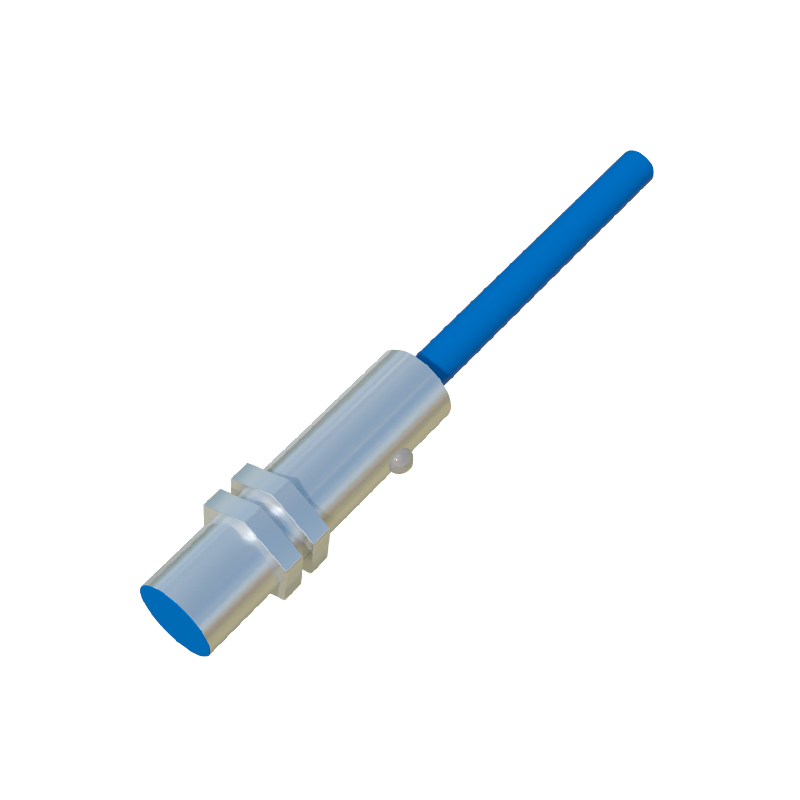
Capacitive Proximity Sensors: Detect both metallic and non-metallic materials (plastics, wood, liquids) by measuring changes in capacitance. They are vital in packaging, material level detection, and food processing.
Ultrasonic Proximity Sensors: Use sound waves to detect objects and measure distance, suitable for challenging environments with dust, moisture, or varying colors.
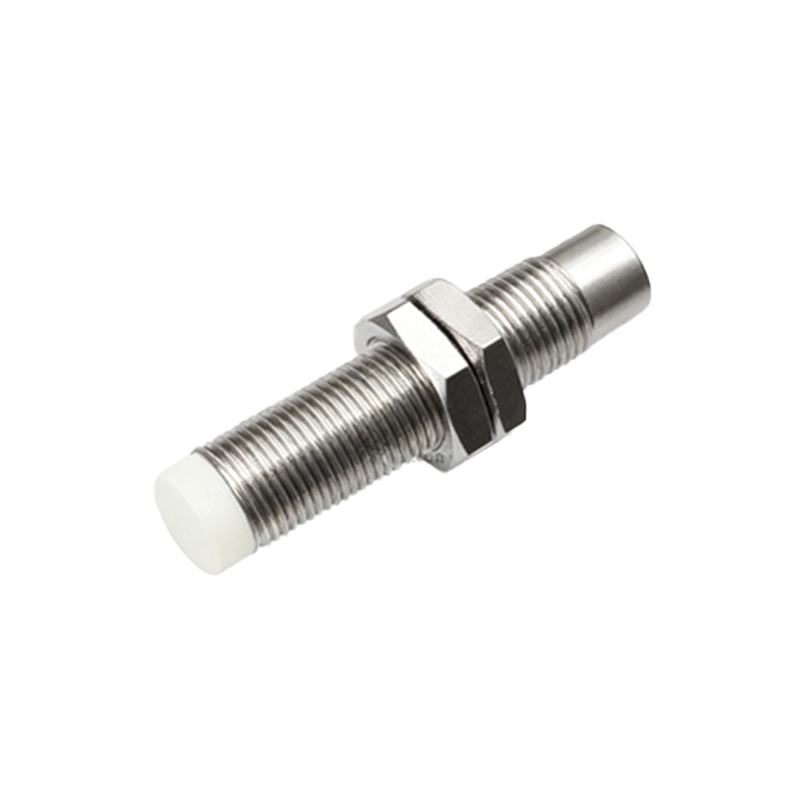
Photoelectric Sensors: Use light beams (visible, infrared, laser) to detect objects over longer ranges and are highly versatile for diverse applications.
Each type is engineered to translate a specific physical phenomenon (change in magnetic field, capacitance, sound reflection, or light beam) into a clean, standardized electrical signal (e.g., 24V DC NPN/PNP, 4-20mA). This signal standardization is key to their integration into the input module of a PLC rack or a remote I/O station. The input module's job is to receive and condition these signals from various sensors, including proximity sensors, limit switches, and encoders, before presenting them to the processor.
The integration of a proximity sensor into a control system highlights its modular function. Physically, it is often a self-contained device mounted on machinery. Electrically and logically, it connects directly to an input channel on an I/O module. This modularity offers immense flexibility. Engineers can select the appropriate sensor technology (inductive, capacitive, etc.) based on the target material, sensing range, and environmental conditions (IP rating, temperature), and simply wire it into a standardized input point. This plug-and-play philosophy within the sensing/input layer accelerates deployment and simplifies maintenance.
Beyond basic detection, the role of proximity sensors in modern smart factories is expanding. IO-Link enabled proximity sensors, for example, transcend simple binary switching. They can communicate detailed diagnostic data (operating temperature, signal strength, contamination warnings) back to the controller, transforming the basic sensing module into a node for predictive maintenance. This elevates their function from mere input to an intelligent component providing operational intelligence.
In conclusion, categorizing a proximity sensor as part of the sensing or input module is technically precise and functionally accurate. It is the frontline data acquisition component that initiates control loops. Understanding this classification is crucial for automation professionals when designing system architecture, selecting components, and diagnosing faults. The proximity sensor, as a core element of the input layer, remains a non-negotiable pillar for achieving reliability, efficiency, and safety in automated industrial processes, from simple assembly jigs to complex Industry 4.0 applications.