In the realm of modern manufacturing, laser cutting technology has revolutionized how materials are processed, offering unparalleled precision, speed, and versatility. At the heart of this innovation lies the optical sensor, a critical component that ensures accuracy and efficiency in laser cutting systems. This article delves into the latest advancements in laser cutting optical sensors, exploring their functionality, types, and applications in industrial settings.
Optical sensors in laser cutting systems primarily serve to monitor and control the cutting process. They detect parameters such as beam position, focus, and intensity, enabling real-time adjustments that minimize errors and enhance quality. One of the key developments in this field is the integration of high-resolution cameras and infrared detectors, which provide detailed feedback on material interaction with the laser beam. For instance, sensors equipped with CMOS or CCD technology can capture micron-level variations, allowing operators to maintain optimal cutting conditions even with complex geometries or reflective surfaces.
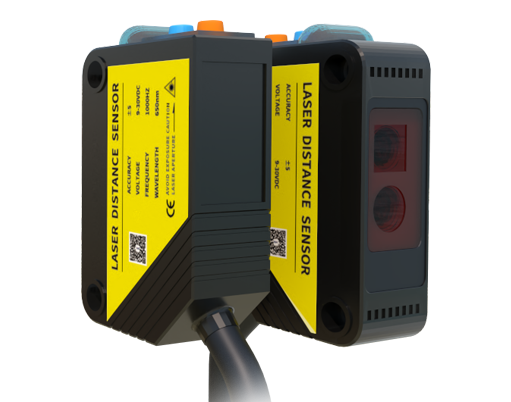
There are several types of optical sensors used in laser cutting, each tailored to specific needs. Position sensors, for example, track the laser's path relative to the workpiece, ensuring consistent alignment and reducing waste. Focus sensors, on the other hand, measure the distance between the laser head and the material, automatically adjusting the focal point to account for surface irregularities. This is particularly crucial when cutting materials like metals or composites, where even minor deviations can lead to defects. Additionally, intensity sensors monitor the laser's power output, safeguarding against fluctuations that might compromise cut quality or equipment longevity.
Recent advancements have seen the rise of smart optical sensors embedded with artificial intelligence (AI) and machine learning algorithms. These sensors can analyze vast amounts of data in real-time, predicting potential issues such as thermal distortion or material fatigue before they occur. By leveraging predictive analytics, manufacturers can implement proactive maintenance schedules, reducing downtime and extending the lifespan of their laser cutting machines. Moreover, AI-driven sensors facilitate adaptive control, where the system autonomously modifies cutting parameters based on sensor feedback, leading to higher throughput and reduced human intervention.
The applications of advanced optical sensors extend across various industries, from automotive and aerospace to electronics and medical device manufacturing. In automotive production, for instance, sensors ensure precise cutting of sheet metal for body parts, enhancing safety and performance. In aerospace, they enable the fabrication of lightweight components with tight tolerances, critical for fuel efficiency and structural integrity. The electronics industry benefits from sensors that handle delicate materials like silicon wafers, minimizing contamination and breakage.
Despite these innovations, challenges remain in the deployment of optical sensors for laser cutting. Environmental factors such as dust, smoke, or high temperatures can interfere with sensor accuracy, necessitating robust designs with protective enclosures or cooling systems. Additionally, the high cost of advanced sensors may be a barrier for small to medium-sized enterprises, though ongoing research aims to develop more affordable solutions without compromising performance.
Looking ahead, the future of laser cutting optical sensors is poised for further growth. Emerging trends include the integration of Internet of Things (IoT) connectivity, allowing sensors to communicate with other factory equipment for seamless automation. Nanotechnology may also play a role, with sensors becoming smaller and more sensitive, enabling even finer control over cutting processes. As industries continue to demand higher precision and efficiency, optical sensors will remain indispensable in pushing the boundaries of laser cutting technology.
In conclusion, optical sensors are the unsung heroes of laser cutting systems, driving improvements in accuracy, reliability, and productivity. Through continuous innovation, they empower manufacturers to achieve new levels of excellence, shaping the future of precision engineering. By staying abreast of these developments, professionals in the electrical and manufacturing sectors can harness the full potential of laser cutting for competitive advantage.