In the realm of industrial automation, proximity sensors are the silent, vigilant sentinels that enable seamless and efficient machine operation. While technical datasheets provide critical specifications, a visual examination through proximity sensor images offers invaluable, immediate insight into their design, installation context, and operational principles. This visual guide delves into the world of these essential components, exploring how their physical appearance correlates with function and application.
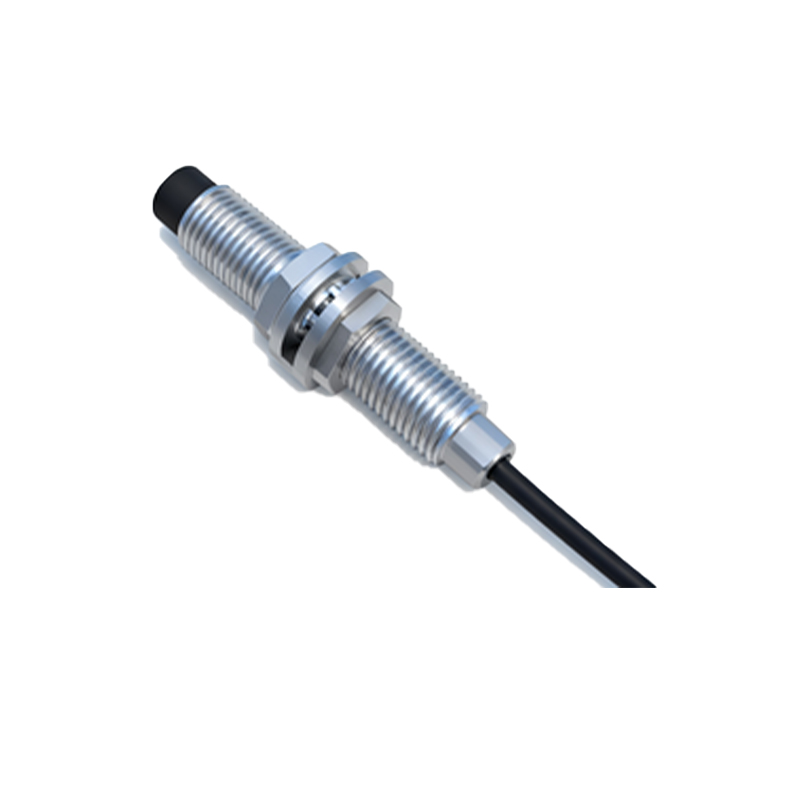
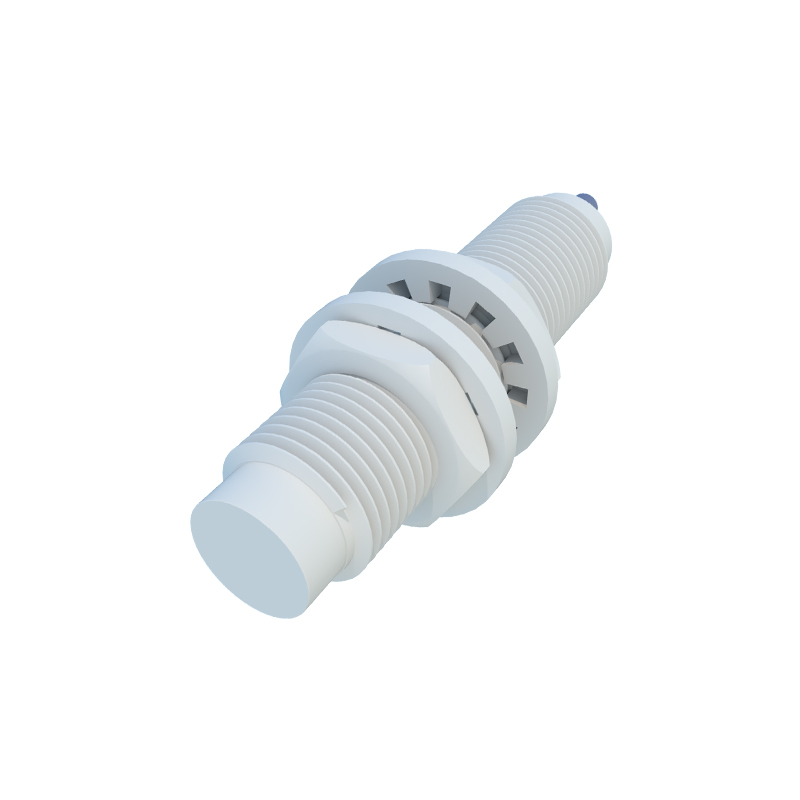
A primary distinction visible in any catalog of proximity sensor images is the housing shape and material. Cylindrical threaded metal housings, typically in stainless steel or nickel-plated brass, dominate applications requiring robust physical protection and easy mounting in drilled holes. These images often show sensors with integrated LEDs, a red or green light that provides instant visual feedback on the sensor's state—crucial for quick troubleshooting on the factory floor. Conversely, images of rectangular or block-style plastic housings highlight sensors designed for lighter-duty applications or specific mounting challenges, often featuring built-in mounting brackets.
The most telling visual differentiator lies in the sensor's face—the sensing surface. Images of inductive proximity sensors reveal a flat, smooth front face, usually metallic or polymer-coated. This design is optimal for detecting the presence of metallic objects without physical contact. In contrast, capacitive proximity sensor images might show a similar form factor, but the sensing area is often subtly different, sometimes with a textured or grooved pattern to enhance sensitivity for detecting non-metallic materials like liquids, plastics, or wood. Photoelectric sensor images are distinctly different, featuring both a lens for the emitted light beam (often visible as a clear or tinted window) and a receiver lens. Through-beam models will be shown in pairs, while retro-reflective or diffuse models appear as single units.
Examining proximity sensor images from installation scenarios is highly educational. A well-composed image might show a cylindrical inductive sensor precisely positioned alongside a metal gear tooth, illustrating the critical sensing distance for detecting each passing tooth. Another might depict a capacitive sensor mounted above a transparent plastic pipe, visually demonstrating its ability to detect the liquid level inside. These application shots underscore the importance of mounting brackets, protective guards (often seen in weld-field immune models), and cable or connector types (M8, M12 connectors are ubiquitous in modern sensor images).
Close-up images revealing internal components, often in cutaway or exploded-view diagrams, are particularly instructive. They visually explain the core technology: an inductive sensor's coil and oscillator circuit, a capacitive sensor's plate configuration, or a photoelectric sensor's LED and phototransistor. Wiring diagrams superimposed on product images clarify connection standards, whether it's a 3-wire DC (PNP or NNP) or a 2-wire AC/DC configuration, with color-coded wires enhancing clarity.
The visual context also speaks to environmental ratings. Images may highlight specific features like potted electronics (visible as a solid resin fill in cutaways), Viton seals, or IP67/IP69K markings on the label, indicating suitability for washdown or harsh environments. The presence of a threaded collar or a specific seal shape in the image immediately communicates ingress protection capabilities.
In conclusion, a systematic review of proximity sensor images is more than an aesthetic exercise; it is a fundamental step in selection and application. The housing form, sensing face design, LED indicators, connector type, and application context captured in these visuals provide a immediate, intuitive layer of understanding that complements numerical data. For engineers and technicians, developing an eye for these visual cues—recognizing the stout body of an inductive sensor for metal detection versus the dual-lens head of a photoelectric beam sensor—enables faster identification, correct specification, and effective deployment, ensuring the invisible field of detection performs its vital role reliably in the automated factory.