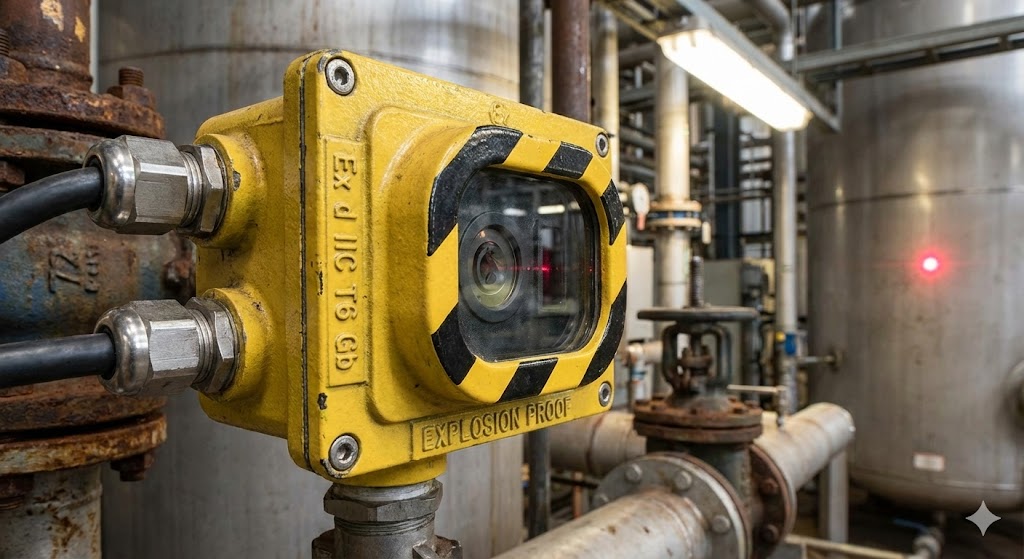
White laser sensors represent a groundbreaking advancement in industrial sensing technology, offering unparalleled precision, versatility, and reliability. Unlike traditional monochromatic laser sensors, white laser sensors utilize a broad-spectrum light source, enabling them to perform highly accurate measurements and inspections across a diverse range of materials and surface conditions. This technology is rapidly becoming indispensable in sectors such as automotive manufacturing, electronics assembly, pharmaceuticals, and aerospace engineering.
The core principle behind white laser sensors lies in their ability to emit and analyze a wide spectrum of light wavelengths. This broad-spectrum emission allows the sensor to interact with target surfaces in a more comprehensive manner. For instance, when measuring surfaces with varying colors, textures, or reflectivity, a single-wavelength laser might produce inconsistent readings due to absorption or scattering. A white laser sensor, however, can effectively compensate for these variations by analyzing multiple wavelengths simultaneously. The sensor's sophisticated algorithms process the reflected light data to filter out noise and environmental interference, delivering stable and precise measurements even in challenging conditions. This makes them exceptionally effective for tasks like detecting minute defects on glossy surfaces, measuring transparent objects like glass or plastic films, and ensuring the precise positioning of components with complex geometries.
In practical industrial applications, the advantages of white laser sensors are manifold. In automated quality control systems, they excel at high-speed inspection of product dimensions, surface flaws, and assembly completeness. Their high resolution and accuracy, often in the micrometer range, ensure that even the smallest deviations from specifications are detected, reducing waste and improving overall product quality. Furthermore, their robust design typically allows for reliable operation in environments with dust, vibration, or variable ambient light, which are common in factory settings. Integration with Industry 4.0 and IoT platforms is seamless, as these sensors can provide continuous, real-time data to central control systems for predictive maintenance and process optimization.
Another significant application is in 3D scanning and profiling. By leveraging the white laser's characteristics, these sensors can generate detailed three-dimensional profiles of objects with high precision. This capability is crucial for reverse engineering, robotic guidance, and ensuring components fit together perfectly in complex assemblies. The non-contact nature of the measurement also prevents damage to delicate or sensitive materials, a critical factor in industries like semiconductor manufacturing or medical device production.
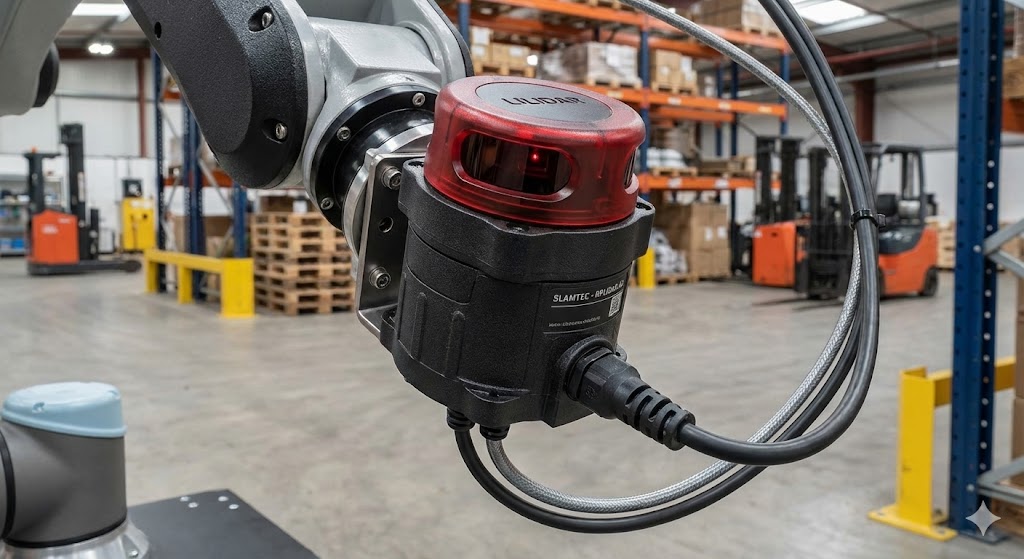
Looking ahead, the evolution of white laser sensor technology is closely tied to advancements in optics, photonics, and data processing. Future iterations are expected to become even smaller, more energy-efficient, and more intelligent, with enhanced capabilities for machine learning-driven analysis. As manufacturing processes demand ever-greater precision and flexibility, white laser sensors are poised to play a central role in the next generation of smart factories and automated systems. Their ability to provide consistent, high-fidelity data makes them a cornerstone technology for driving efficiency, innovation, and quality across the global industrial landscape.

For engineers and system integrators, selecting the right white laser sensor involves considering factors such as measurement range, resolution, response speed, and environmental ratings. Leading manufacturers continue to innovate, offering models tailored for specific challenges, from ultra-high-speed line scanning to long-range distance measurement. By adopting this technology, industries can achieve new levels of operational excellence and product integrity, solidifying their competitive edge in an increasingly automated world.