Proximity sensors are a fundamental component in modern industrial automation and countless electronic devices. But what exactly are they, and what do they do? In essence, a proximity sensor is a non-contact device that detects the presence or absence of an object within its sensing range without any physical contact. It achieves this by emitting an electromagnetic field, a beam of electromagnetic radiation (like infrared light), or ultrasonic sound waves, and then looking for changes in the field or return signal. The core function is to sense "proximity" – how close an object is.
The principle of operation varies significantly based on the technology used. The most common types include Inductive, Capacitive, Ultrasonic, and Photoelectric sensors. Inductive proximity sensors are the workhorses of metal detection. They generate an oscillating electromagnetic field from a coil. When a metallic object enters this field, it induces eddy currents on the metal's surface, which dampens the oscillation of the sensor's circuit. This change is detected, triggering a solid-state output switch. They are incredibly robust, resistant to dirt, oil, and water, making them ideal for harsh industrial environments like machine tools, robotic arms, and conveyor systems for counting metal parts or determining position.
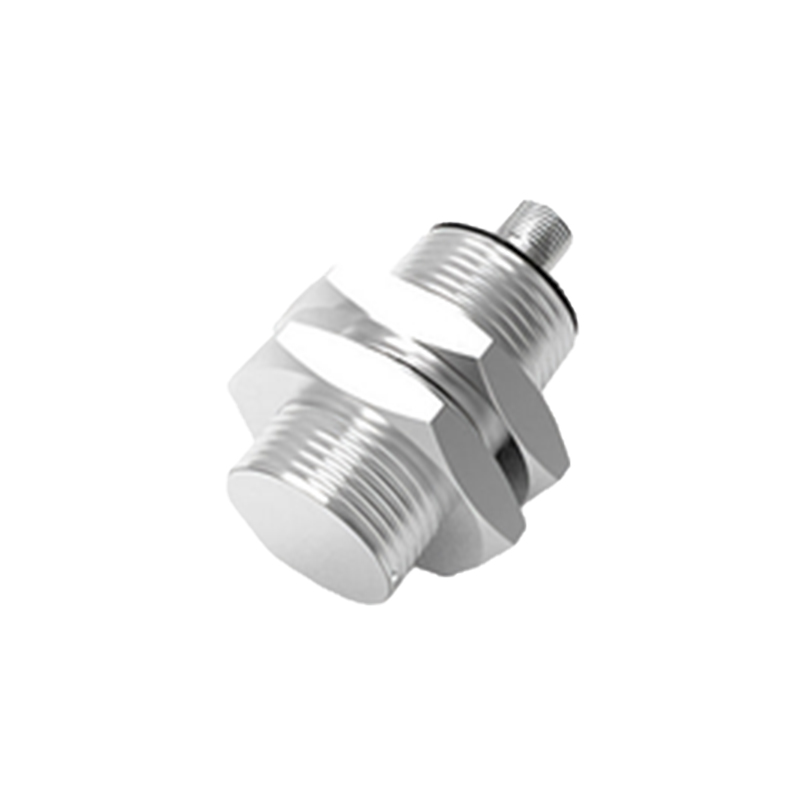
Capacitive proximity sensors, on the other hand, can detect both metallic and non-metallic materials such as liquids, plastics, wood, and granules. They function by generating an electrostatic field. Any object that enters this field alters the capacitance of the sensor's circuit. This change is measured, and when it exceeds a preset threshold, the sensor activates. This makes them perfect for applications like liquid level detection in tanks, monitoring presence of plastic bottles on a production line, or detecting powdered materials in hoppers.
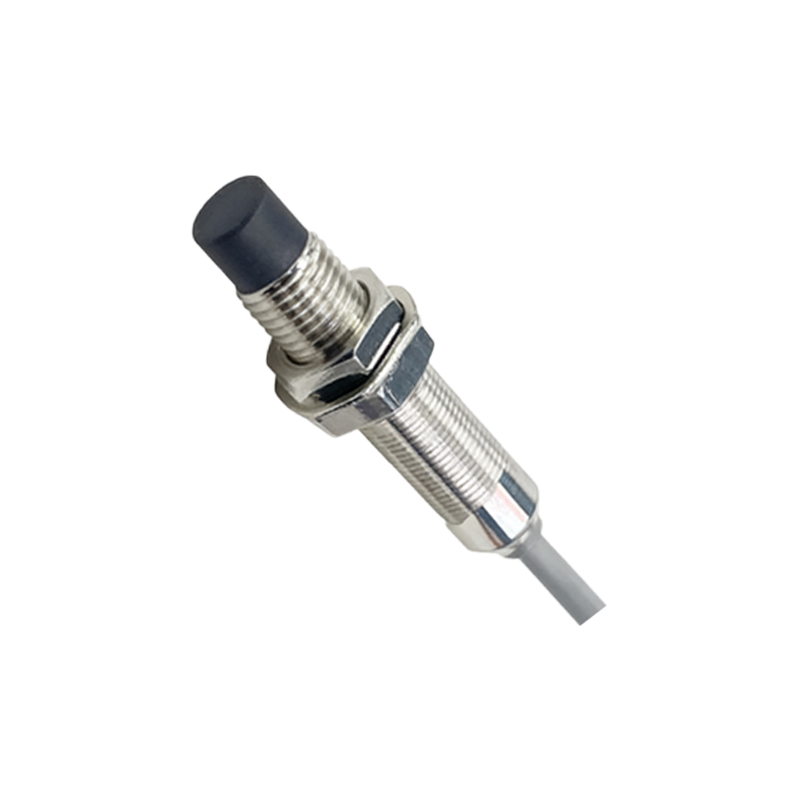
Photoelectric sensors use light, typically infrared or laser, to detect objects. They consist of an emitter (light source) and a receiver. There are three main configurations: through-beam (where the object breaks a beam between separate emitter and receiver units), retro-reflective (the object breaks a beam reflected back from a reflector), and diffuse (the sensor detects light reflected directly off the object itself). They offer long sensing ranges and can detect virtually any material, making them versatile for packaging, material handling, and assembly line automation.
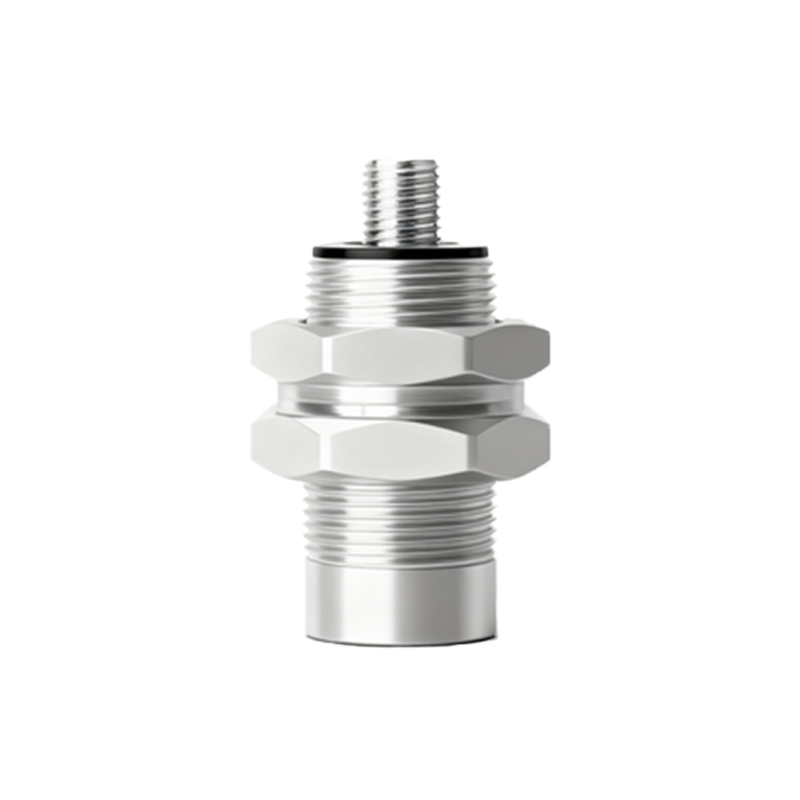
Ultrasonic sensors operate like sonar. They emit high-frequency sound waves and calculate the time it takes for the echo to return. By measuring this "time-of-flight," they can determine the distance to an object. They are excellent for precise distance measurement, level sensing of liquids or bulk solids, and detecting clear objects or objects in challenging conditions where other sensors might fail, such as in the presence of dust or steam.
The applications of proximity sensors are vast and critical. In manufacturing, they are used for precise positioning, end-of-travel detection on cylinders, part counting, jam detection, and robotic guidance. In automotive assembly lines, thousands of these sensors ensure robots weld at the correct points and parts are properly positioned. In consumer electronics, they deactivate touchscreens when a phone is held to the ear to prevent accidental input. They are found in automatic doors, touchless faucets, and anti-collision systems on vehicles.
The key advantages driving their widespread adoption are reliability, speed, and durability. Since there is no physical contact, there is no mechanical wear on the sensor or the target, leading to a long operational life. They can operate at very high speeds, detecting objects passing by in milliseconds. Their solid-state design and often sealed housings allow them to perform in environments with vibration, moisture, and extreme temperatures.
When selecting a proximity sensor, engineers must consider several factors: the material of the target object (metal, plastic, liquid), the required sensing distance, the environmental conditions (temperature, contaminants), the output type needed (digital ON/OFF switch, analog distance signal), and the physical size and mounting constraints. Understanding these parameters ensures the correct sensor is chosen for optimal performance and system reliability.
In conclusion, proximity sensors are the unseen enablers of automation, safety, and efficiency. They provide the essential "eyes" for machines, allowing them to interact with their environment intelligently and without contact. From controlling complex robotic assembly to enabling a simple touchless soap dispenser, their role in translating physical presence into an actionable electrical signal is indispensable in our increasingly automated world. Their continued evolution, with trends toward miniaturization, increased intelligence (IO-Link), and higher precision, promises to further expand their applications across all sectors of industry and daily life.