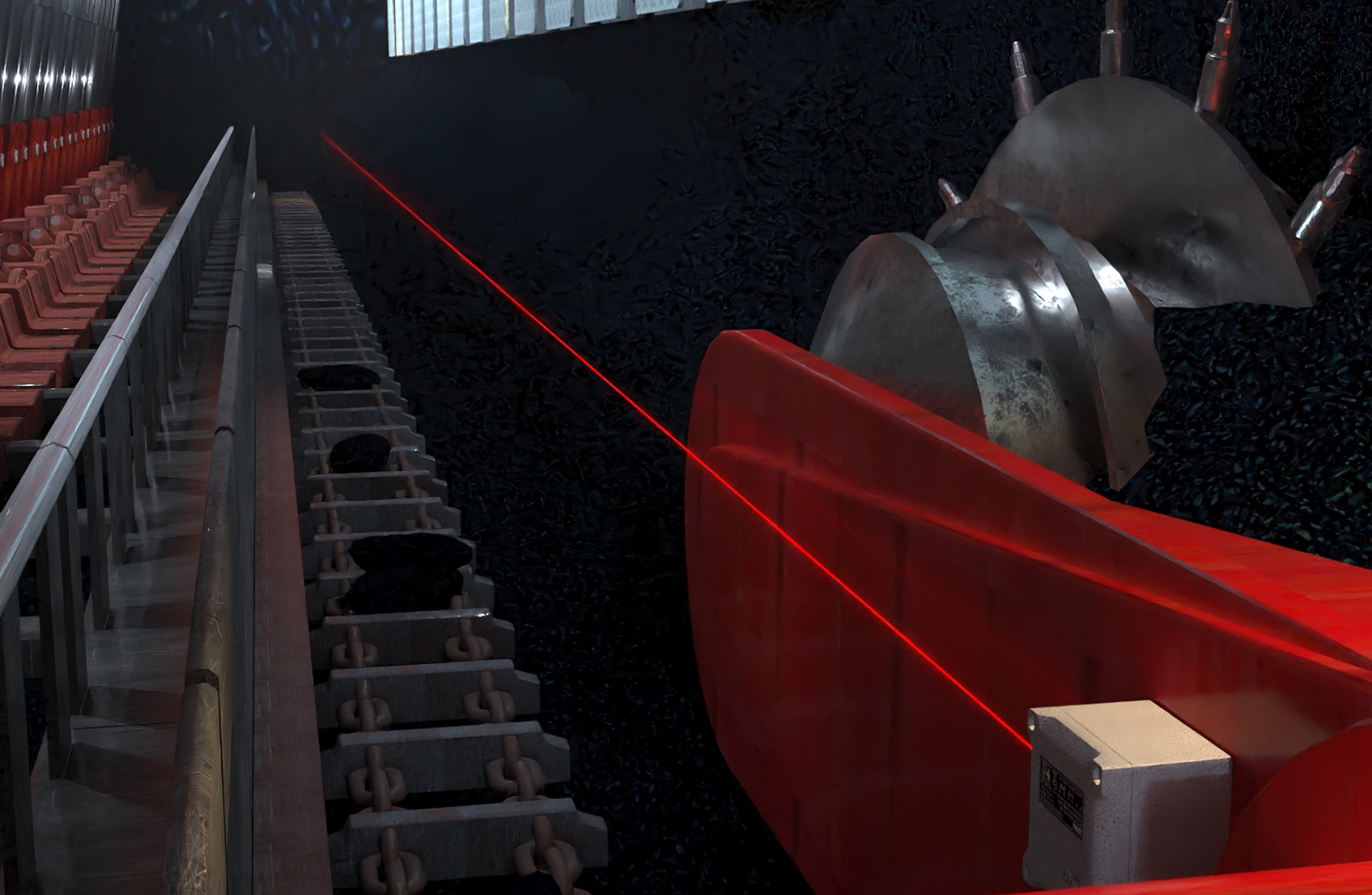
In the field of industrial automation and sensing technology, the terms "laser sensor" and "photoelectric sensor" are often used, sometimes interchangeably, leading to confusion among professionals and enthusiasts alike. This article aims to clarify the relationship between these two types of sensors, exploring their principles, applications, and distinctions to provide a comprehensive understanding for engineers and technicians in the electrical and automation industries.
To begin, it is essential to define what photoelectric sensors are. Photoelectric sensors are devices that detect the presence, absence, or distance of an object by using a light source, typically an LED or infrared beam, and a receiver. They operate based on the principle of light modulation, where the emitted light is interrupted, reflected, or transmitted by the target object, causing a change in the received light signal. This change is then converted into an electrical output, enabling detection and measurement. Photoelectric sensors are widely used in various applications, such as object counting, level detection, and safety systems, due to their non-contact nature, reliability, and versatility.
Laser sensors, on the other hand, are a specific subset of photoelectric sensors that utilize laser light as their source. Lasers (Light Amplification by Stimulated Emission of Radiation) produce a coherent, monochromatic, and highly focused beam of light, which offers distinct advantages in sensing applications. The key characteristics of laser light include high intensity, narrow beam divergence, and precise wavelength control, making laser sensors particularly suitable for tasks requiring high accuracy, long-range detection, or fine resolution. Common types of laser sensors include laser distance sensors, laser displacement sensors, and laser triangulation sensors, which are employed in industries like manufacturing, robotics, and metrology for precise measurements and inspections.
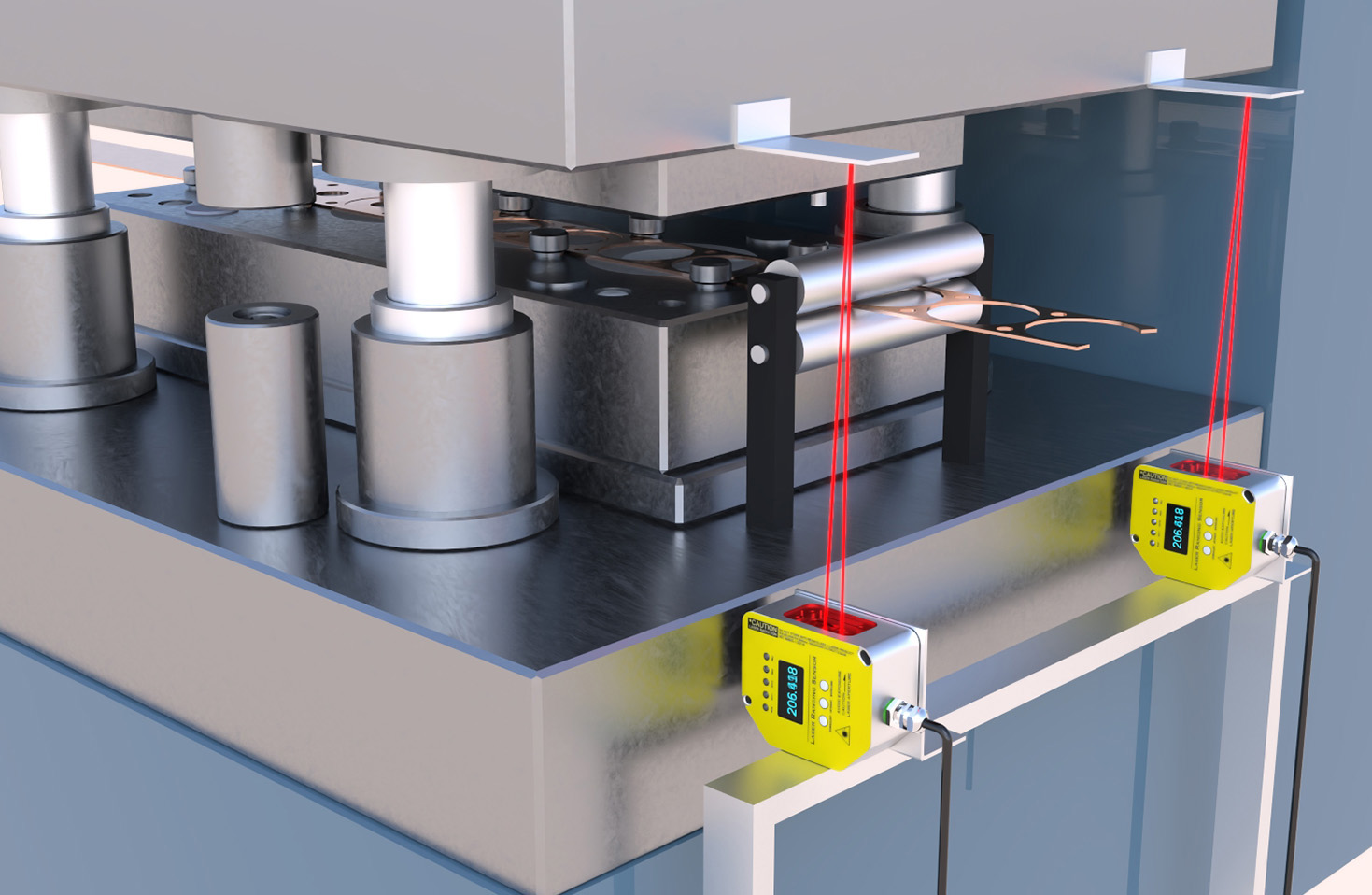
So, are laser sensors considered photoelectric sensors? The answer is yes, but with nuances. All laser sensors fall under the broad category of photoelectric sensors because they rely on light (specifically laser light) to perform detection. However, not all photoelectric sensors are laser sensors; many use non-laser light sources like LEDs. The primary distinction lies in the light source and the resulting performance capabilities. Laser sensors leverage the unique properties of laser beams to achieve superior precision, speed, and range compared to conventional photoelectric sensors. For instance, in applications involving small objects or long distances, laser sensors often outperform standard photoelectric sensors due to their focused beam, which minimizes interference and enhances signal clarity.
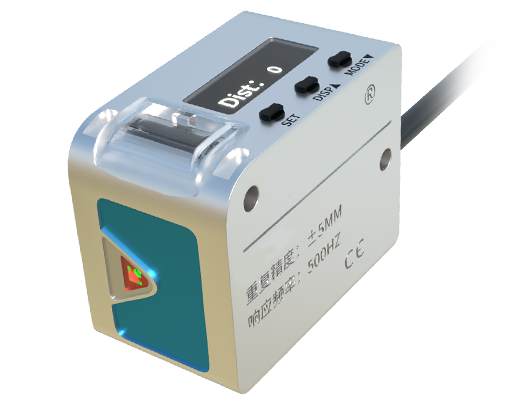
In practical terms, the choice between a laser sensor and a non-laser photoelectric sensor depends on the specific requirements of the application. Factors such as detection distance, environmental conditions (e.g., ambient light, dust, or humidity), target material, and accuracy needs play a crucial role in selection. Laser sensors are ideal for high-precision tasks like alignment, thickness measurement, or 3D scanning, where their coherent light ensures reliable results. Conversely, standard photoelectric sensors with LED sources may be more cost-effective and sufficient for general-purpose detection, such as in packaging lines or conveyor systems, where extreme precision is not critical.
From an engineering perspective, understanding the underlying technology is key. Both sensor types involve components like emitters, receivers, and signal processors, but laser sensors often incorporate additional optics and electronics to manage the laser beam's properties. Safety is another consideration, as laser sensors may require compliance with regulations (e.g., IEC 60825) due to potential eye hazards, whereas LED-based photoelectric sensors are generally safer for incidental exposure.
In conclusion, laser sensors are indeed a specialized form of photoelectric sensors, distinguished by their use of laser light to enhance performance in demanding applications. While they share the fundamental principle of light-based detection, their advanced capabilities make them indispensable in modern industrial settings where precision and reliability are paramount. As technology evolves, the integration of laser sensing with smart systems and IoT platforms continues to expand, offering new opportunities for automation and control. Engineers should evaluate both options based on technical specifications and operational needs to optimize sensor selection for their projects.