In today's rapidly evolving industrial landscape, the demand for standard proximity sensors has surged, driven by the need for automation, efficiency, and safety across various sectors. These sensors, which detect the presence or absence of objects without physical contact, are integral to manufacturing, automotive, robotics, and consumer electronics. As industries strive for higher precision and reliability, the supply chain for standard proximity sensors must meet stringent quality and consistency standards.
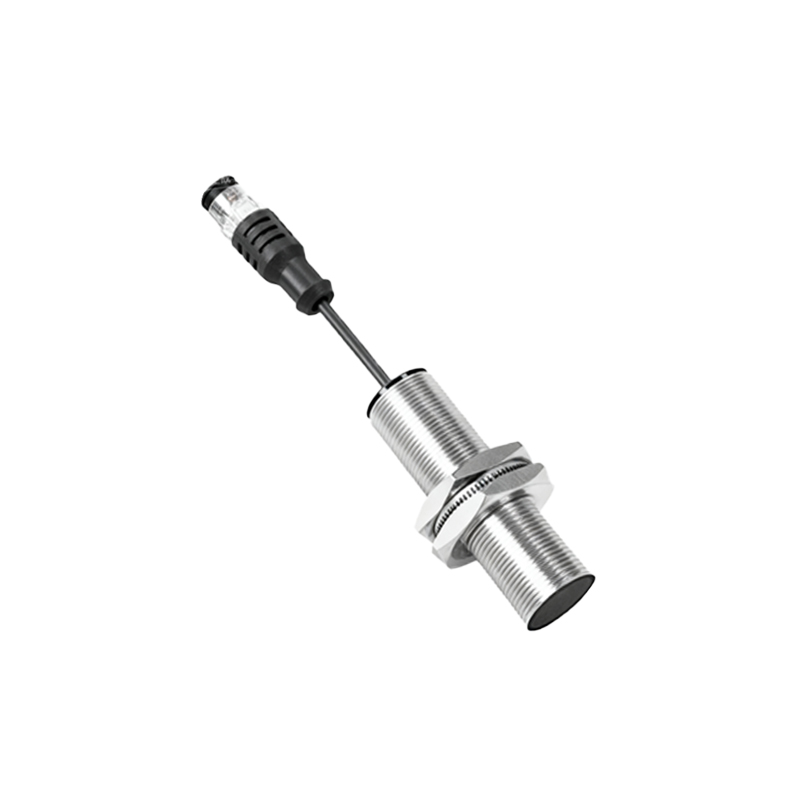
Standard proximity sensors operate on principles such as inductive, capacitive, or magnetic sensing, each suited to specific applications. Inductive sensors, for instance, are ideal for metal detection in harsh environments, while capacitive sensors handle non-metallic materials like plastics or liquids. The versatility of these devices makes them indispensable in assembly lines, where they ensure accurate positioning, count items, or trigger safety mechanisms. Suppliers play a critical role in providing sensors that adhere to international standards, such as IEC 60947-5-2, which governs performance and safety.
The supply of standard proximity sensors involves a complex network of manufacturers, distributors, and integrators. Key factors influencing supply include material availability, technological advancements, and market trends. For example, the rise of Industry 4.0 and the Internet of Things (IoT) has led to smarter sensors with enhanced connectivity features, such as IO-Link or Ethernet compatibility. Suppliers must adapt by offering sensors that integrate seamlessly with digital systems, enabling real-time data collection and predictive maintenance. This shift not only improves operational efficiency but also reduces downtime and costs.
Quality assurance is paramount in the supply chain. Reputable suppliers implement rigorous testing protocols, including environmental resistance checks for temperature, humidity, and vibration. Certifications like ISO 9001 ensure that manufacturing processes meet global quality benchmarks. Additionally, customization options—such as varying sensing ranges, housing materials, or output types—allow clients to tailor sensors to their specific needs. A reliable supply chain also emphasizes timely delivery and after-sales support, minimizing disruptions in production cycles.
Challenges in the supply of standard proximity sensors include geopolitical tensions, raw material shortages, and fluctuating demand. The COVID-19 pandemic highlighted vulnerabilities, with delays in semiconductor components affecting sensor production. To mitigate risks, suppliers are diversifying sourcing strategies and investing in local manufacturing hubs. Sustainability is another growing concern; eco-friendly designs and recyclable materials are becoming key differentiators in the market.
Looking ahead, the future of standard proximity sensor supply is shaped by innovation and collaboration. Emerging technologies like artificial intelligence and machine learning are enabling smarter sensor applications, such as anomaly detection in predictive analytics. Suppliers who prioritize R&D and partner with end-users to develop solutions will lead the market. As automation expands into new areas like healthcare and agriculture, the demand for robust, standard-compliant sensors will only increase.
In conclusion, the supply of standard proximity sensors is a cornerstone of modern industrial automation. By focusing on quality, adaptability, and sustainability, suppliers can ensure that these critical components continue to drive progress and reliability worldwide.