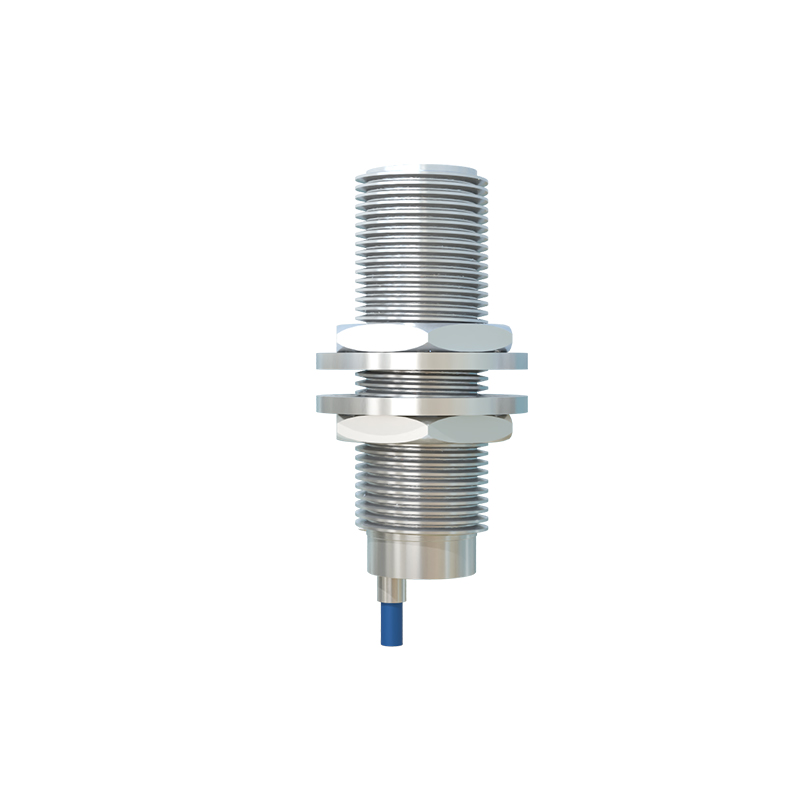
Metal proximity sensors are essential components in modern industrial automation, enabling non-contact detection of metallic objects. These devices operate based on electromagnetic principles, primarily through inductive sensing technology. When a metal object enters the sensor's detection range, it disrupts an electromagnetic field generated by the sensor's coil, triggering a signal output. This process allows for precise, reliable object detection without physical contact, making it ideal for harsh environments where dust, moisture, or mechanical wear could compromise performance.
The core of an inductive proximity sensor is an oscillator circuit that produces a high-frequency electromagnetic field around its sensing face. This field induces eddy currents in any nearby conductive metal, causing energy loss in the oscillator. The sensor's circuitry monitors this energy loss and activates a switch—typically a solid-state transistor—when it exceeds a threshold. Different metals affect the sensor differently due to variations in conductivity and magnetic permeability; for instance, steel is detected at greater distances than aluminum. Advanced sensors incorporate compensation mechanisms to ensure consistent performance across metal types.
Key design considerations include sensing range, which varies from a few millimeters to several centimeters, and the sensor's housing material. Stainless steel or nickel-plated brass housings are common for durability in industrial settings. Output configurations include NPN, PNP, analog, or IO-Link interfaces, allowing integration with PLCs and control systems. Applications span manufacturing lines, robotics, automotive assembly, and safety systems, where sensors detect parts, monitor positions, or prevent collisions.
Environmental factors like temperature extremes, electromagnetic interference, or adjacent metal surfaces can influence accuracy. Shielding techniques and temperature-stable components mitigate these issues. Modern sensors also feature diagnostics via LED indicators or digital communication, aiding maintenance. As Industry 4.0 advances, smart sensors with embedded analytics are becoming prevalent, enabling predictive maintenance and real-time process optimization. By understanding these principles, engineers can select and deploy proximity sensors effectively, enhancing system reliability and efficiency.
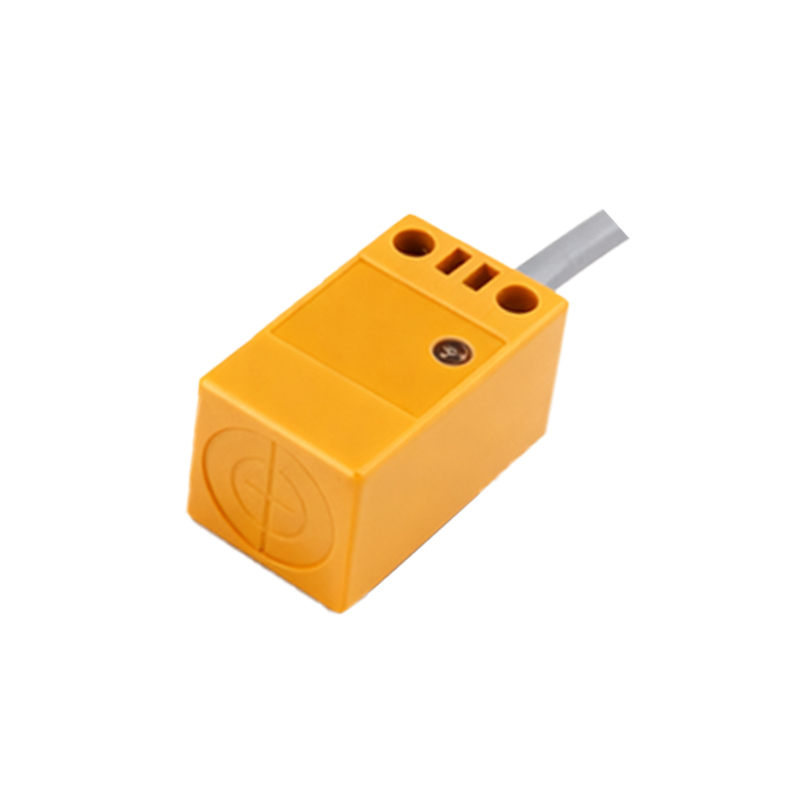
In summary, metal proximity sensors leverage electromagnetic induction to detect metallic objects reliably. Their non-contact nature, robustness, and adaptability make them indispensable in automation, contributing to safer, more productive industrial operations. Continuous innovation in materials and electronics promises further improvements in sensitivity, speed, and connectivity.