The laser sensor market in the United States is a dynamic and critical segment within the broader industrial automation and measurement landscape. For engineers, procurement specialists, and system integrators, understanding the price points of these devices is not merely about comparing numbers on a datasheet. It involves a nuanced analysis of the underlying technology, performance specifications, and the total cost of ownership. This article delves into the key factors that influence the pricing of laser sensors in the U.S., providing a framework for making informed purchasing decisions.
At the core of any laser sensor's cost is its fundamental technology and performance class. Basic photoelectric sensors, which use a simple laser diode for presence detection, represent the most economical entry point. Prices for these can range from approximately $50 to $200, depending on the brand, housing material (e.g., plastic vs. metal), and environmental protection rating (IP67). These sensors are workhorses for straightforward applications like object detection on a conveyor or part counting.
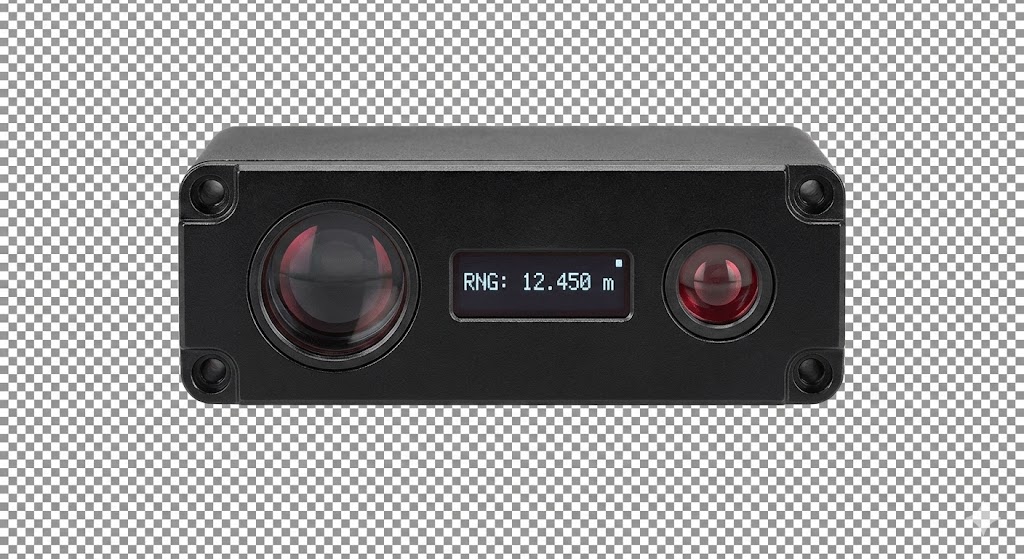
Moving up the price ladder, we encounter laser distance sensors and displacement sensors. These devices, often based on time-of-flight (ToF) or triangulation principles, provide precise measurement data rather than just a binary on/off signal. A standard 2D laser distance sensor with a measuring range of up to 10 meters and millimeter-level accuracy can cost between $300 and $800. The price escalates significantly with increased precision. High-accuracy triangulation sensors used for micron-level displacement measurement in quality control or semiconductor manufacturing can easily command prices from $1,500 to over $5,000. Factors such as measurement rate (kHz range), linearity error, and spot size directly correlate with cost.
Another major price determinant is the sensor's feature set and connectivity. A basic sensor with a simple PNP/NPN output is less expensive than one with integrated analog outputs (4-20 mA, 0-10V), digital interfaces (RS-232, RS-485), or industrial Ethernet protocols (EtherNet/IP, PROFINET, EtherCAT). The integration of advanced onboard intelligence, such as programmable logic, data logging, or sophisticated background suppression algorithms, also adds to the unit cost. For instance, a laser sensor with teach-in functions and IO-Link communication for predictive maintenance capabilities will be priced higher than a comparable non-IO-Link model.
Brand reputation and supply chain considerations play a substantial role in the U.S. market. Established global leaders like Keyence, Banner Engineering, SICK, and Omron often price their products at a premium, justified by their extensive application support, reliable warranties, and robust distribution networks. Their laser sensors might be 20-40% more expensive than functionally similar offerings from smaller or newer entrants. However, this premium often translates to lower long-term risk and integration hassle. Furthermore, tariffs, import logistics, and regional availability can cause price fluctuations for sensors manufactured overseas.
The concept of Total Cost of Ownership (TCO) is paramount. The initial purchase price is just one component. Engineers must consider installation time, calibration requirements, durability in harsh environments (justifying a higher IP69K rating), and mean time between failures (MTBF). A $500 sensor that fails in six months in a dusty environment is far more costly than a $900 ruggedized sensor that operates reliably for years with minimal downtime. Compatibility with existing control systems and the ease of software configuration also contribute to the hidden costs of integration.
In conclusion, the price of a laser sensor in the U.S. is a direct reflection of its technological sophistication, measurement performance, feature set, and brand ecosystem. From sub-$100 photoelectric sensors to multi-thousand-dollar precision metrology instruments, the market offers solutions for every need and budget. A savvy buyer looks beyond the sticker price, evaluating specifications against application requirements and calculating the true total cost of ownership. By focusing on the value delivered in terms of accuracy, reliability, and integration efficiency, businesses can select the optimal laser sensor that ensures both operational excellence and long-term economic sense.