In the realm of industrial automation and electrical engineering, proximity sensors are indispensable components for detecting the presence or absence of objects without physical contact. However, their performance can be significantly compromised by electromagnetic interference (EMI), electrical noise, and environmental factors. This is where shielding plays a critical role. Shielding in proximity sensors refers to the techniques and materials used to protect the sensor from external disturbances, ensuring reliable and accurate operation.
Proximity sensors, including inductive, capacitive, and magnetic types, operate based on principles such as electromagnetic fields or capacitance changes. These sensors are often deployed in harsh environments like manufacturing floors, where they are exposed to high levels of EMI from motors, transformers, and other electrical equipment. Without proper shielding, this interference can lead to false triggers, reduced sensing range, or complete sensor failure. Shielding acts as a barrier, attenuating unwanted signals and focusing the sensor's field on the target object.
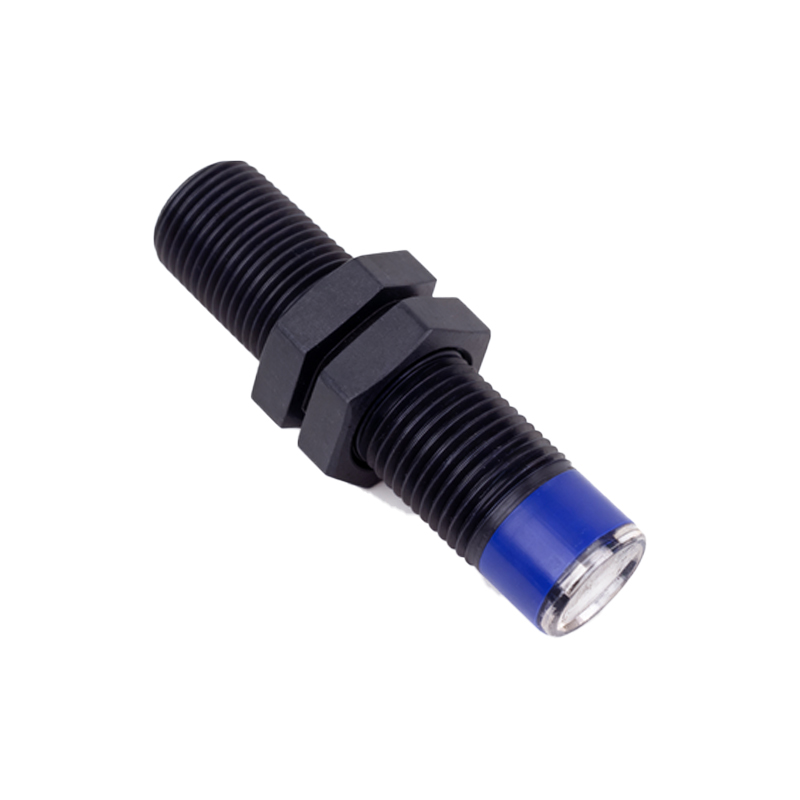
There are two primary shielding methods employed in proximity sensors: electrostatic shielding and electromagnetic shielding. Electrostatic shielding, typically used in capacitive sensors, involves enclosing the sensor in a conductive material like copper or aluminum. This creates a Faraday cage that blocks external electric fields, preventing them from affecting the sensor's capacitance measurements. For instance, in applications involving liquid detection or material handling, electrostatic shielding ensures that only the target object influences the sensor, minimizing errors from surrounding conductive materials.
Electromagnetic shielding, common in inductive and magnetic sensors, utilizes ferromagnetic materials such as iron or nickel alloys. These materials redirect magnetic flux lines, confining the sensor's magnetic field to a specific area and shielding it from external magnetic sources. This is particularly crucial in environments with strong magnetic fields, such as those near welding equipment or power lines. By enhancing the sensor's immunity to EMI, electromagnetic shielding improves detection consistency and extends the sensor's operational lifespan.
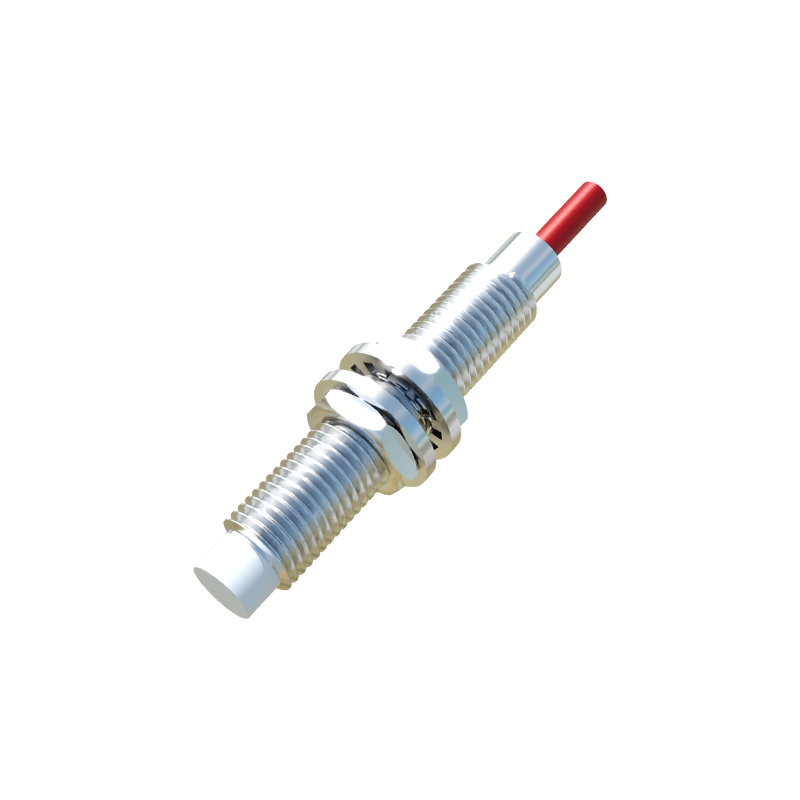
The design of shielding in proximity sensors also considers factors like sensor housing and cable management. Many sensors feature integrated metal casings that serve dual purposes: physical protection and EMI shielding. Additionally, shielded cables with braided or foil layers are used to prevent noise induction along the signal transmission path. Proper grounding of these shields is essential to dissipate interference safely, avoiding ground loops that could introduce further noise. Engineers must adhere to standards like IEC 60947-5-2, which outlines EMC (Electromagnetic Compatibility) requirements for proximity devices, ensuring compliance with industrial safety and performance norms.
In practice, selecting the right shielding approach depends on the application. For example, in automotive assembly lines, inductive proximity sensors with robust electromagnetic shielding detect metal components accurately despite the presence of high-frequency noise from robotic systems. Conversely, in food processing plants, capacitive sensors with electrostatic shielding reliably monitor non-metallic materials like plastics or liquids, unaffected by humidity or chemical exposure. Field tests indicate that shielded sensors can reduce error rates by up to 70% in high-interference settings, highlighting their importance in mission-critical operations.
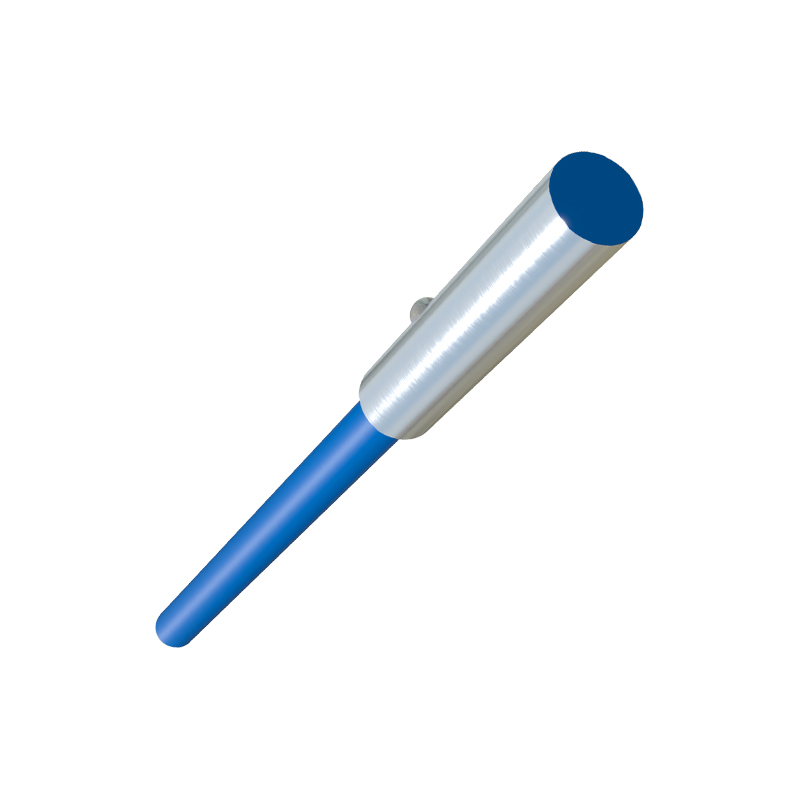
However, shielding is not a one-size-fits-all solution. Over-shielding can attenuate the sensor's own field, reducing its effective range, while under-shielding may leave it vulnerable to noise. Engineers must balance shielding effectiveness with sensor sensitivity, often through iterative testing and simulation. Advanced materials like mu-metal, known for high magnetic permeability, offer enhanced shielding in compact designs, though at a higher cost. As Industry 4.0 drives the adoption of IoT-enabled sensors, smart shielding technologies that adapt to real-time environmental changes are emerging, promising greater resilience in dynamic industrial landscapes.
In summary, shielding is a fundamental aspect of proximity sensor design, directly impacting reliability and accuracy. By mitigating interference through tailored electrostatic or electromagnetic methods, shielded sensors maintain optimal performance in challenging conditions. For electrical professionals, understanding these principles is key to deploying sensors that enhance automation efficiency and reduce downtime. As technology evolves, ongoing research into materials and adaptive shielding will continue to push the boundaries of what proximity sensors can achieve in an increasingly interconnected world.