In the demanding landscape of modern industrial automation, proximity sensors serve as the fundamental eyes of machinery, detecting the presence or absence of objects without physical contact. Among these, high-temperature proximity sensors represent a critical niche, engineered to perform reliably in environments where ambient heat would swiftly degrade standard components. This article delves into the operational principles, application challenges, and the strategic value of partnering with specialized agents for sourcing these robust devices.
The core technology behind inductive proximity sensors—the most common type for metallic target detection—remains consistent even in high-temperature variants. They generate an electromagnetic field; when a metal object enters this field, it induces eddy currents within the target, causing a change in the sensor's oscillation amplitude. This change is detected and converted into a switching signal. The primary distinction for high-temperature models lies in their construction. They incorporate specialized materials and designs to withstand thermal stress. This includes high-temperature-resistant encapsulation materials (such as PEEK or PTFE), thermally stable coils and potting compounds, and often, extended sensing faces or integrated cooling elements to protect internal electronics. Operating temperature ranges typically span from -40°C to well over +200°C, with some specialized models capable of enduring short exposures to even higher extremes.
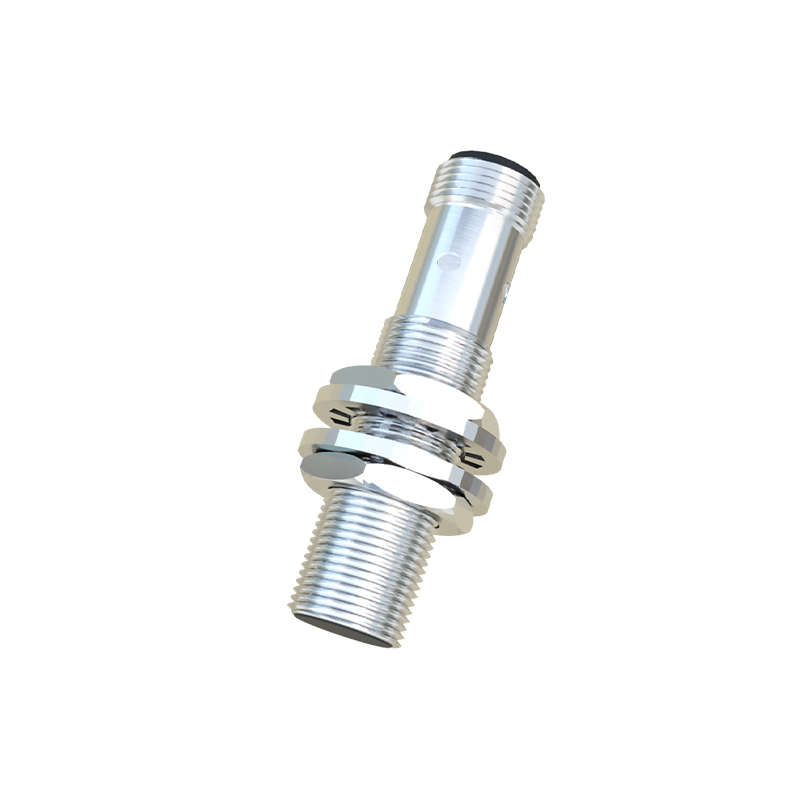
The applications for these sensors are predominantly found in harsh industrial sectors. In metal casting and foundries, they monitor molten metal flow, die-casting machine positions, and billet presence in hot rolling mills. The glass manufacturing industry employs them near furnaces and in annealing lehrs. Automotive welding lines, especially in body shops with numerous robotic welding cells, generate intense localized heat where these sensors ensure precise part positioning. Plastic injection molding machines, powder coating ovens, and heat treatment facilities also rely heavily on their consistent performance. Failure in these environments doesn't merely mean sensor replacement; it can lead to catastrophic production downtime, safety hazards, and significant financial loss.
Selecting the right high-temperature proximity sensor requires careful analysis beyond just the stated temperature rating. Engineers must consider the complete thermal profile: Is the heat constant or cyclical? Is it radiant or convective? What is the thermal mass of the mounting fixture? Sensor mounting is equally critical. Using thermally insulating brackets, ensuring proper air circulation (if applicable), and avoiding direct mounting on extremely hot surfaces are essential practices. Furthermore, the choice of cable is paramount. Standard PVC cables quickly become brittle and fail. High-temperature cables with silicone or fiberglass insulation are mandatory, and their length should be minimized to reduce thermal conduction to the sensor's connection point.
This complexity underscores the strategic advantage of engaging with a knowledgeable and reliable agent for high-temperature proximity sensors. A proficient agent does more than just supply a product from a catalog. They act as a technical consultant and logistics partner. First, they possess deep application expertise across industries, helping to match the specific sensor technology (inductive, capacitive, or magnetic) and model to the unique thermal and mechanical challenges of the application. They have direct access to manufacturers specializing in harsh-environment sensing, offering products with verified performance data and certifications (e.g., ATEX for hazardous areas).
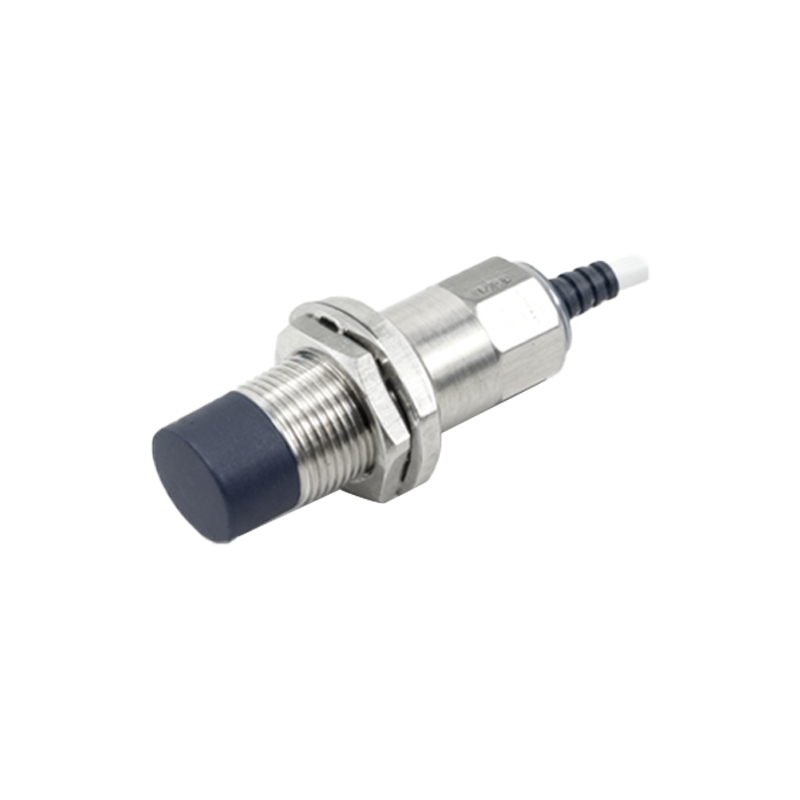
Second, a dedicated agent provides vital supply chain stability. These are often not off-the-shelf items. An agent with strong manufacturer relationships ensures shorter lead times, consistent quality, and access to the latest technological iterations. They can also manage inventory buffers for critical components, providing a crucial safety net against production stoppages. Furthermore, they offer comprehensive after-sales support, including installation guidance, troubleshooting assistance, and reliable warranty service—services that are invaluable when dealing with complex, mission-critical components.
In conclusion, high-temperature proximity sensors are engineered solutions for extreme conditions, where standard sensors would falter. Their successful implementation hinges on a thorough understanding of the thermal environment, precise selection, and correct installation. Partnering with a specialized technical agent for these components transforms a simple procurement task into a risk-mitigation strategy. It ensures access to appropriate technology, secures the supply chain, and provides expert support, thereby safeguarding operational continuity, enhancing safety, and protecting capital investment in high-value industrial processes. In the furnace of industry, the right sensor and the right partner are indispensable.