In the rapidly evolving landscape of industrial automation, proximity sensors have become indispensable components for ensuring precision, safety, and efficiency. The advent of new proximity sensor technologies—such as those utilizing advanced inductive, capacitive, ultrasonic, and magnetic principles—has expanded their applicability across diverse sectors including automotive manufacturing, robotics, food processing, and pharmaceuticals. However, with this expansion comes the growing need for customized solutions tailored to specific operational environments and challenges. Establishing robust customization standards is crucial to guarantee that these sensors meet stringent performance, reliability, and interoperability requirements.
Customization begins with a thorough assessment of the application environment. Factors such as temperature extremes, humidity levels, exposure to chemicals or oils, and potential mechanical shocks must be meticulously evaluated. For instance, sensors deployed in automotive assembly lines may require enhanced resistance to coolants and metallic debris, while those in food-grade environments must comply with hygienic design standards, often necessitating stainless steel housings and smooth surfaces to prevent bacterial accumulation. The sensing range and response time are also critical parameters; in high-speed packaging machinery, a sensor with a millisecond-level response can significantly reduce downtime and improve throughput.
Electrical characteristics form another cornerstone of customization standards. Voltage supply ranges (e.g., 10-30V DC or 20-250V AC) must align with the plant's existing infrastructure to avoid costly retrofitting. Output configurations—whether NPN, PNP, analog (4-20mA or 0-10V), or IO-Link for digital communication—should be selected based on the control system's compatibility. The integration of smart features, such as self-diagnostics, condition monitoring, and predictive maintenance alerts, is increasingly demanded in Industry 4.0 setups. These features enable proactive management, reducing unplanned stoppages and extending equipment lifespan.
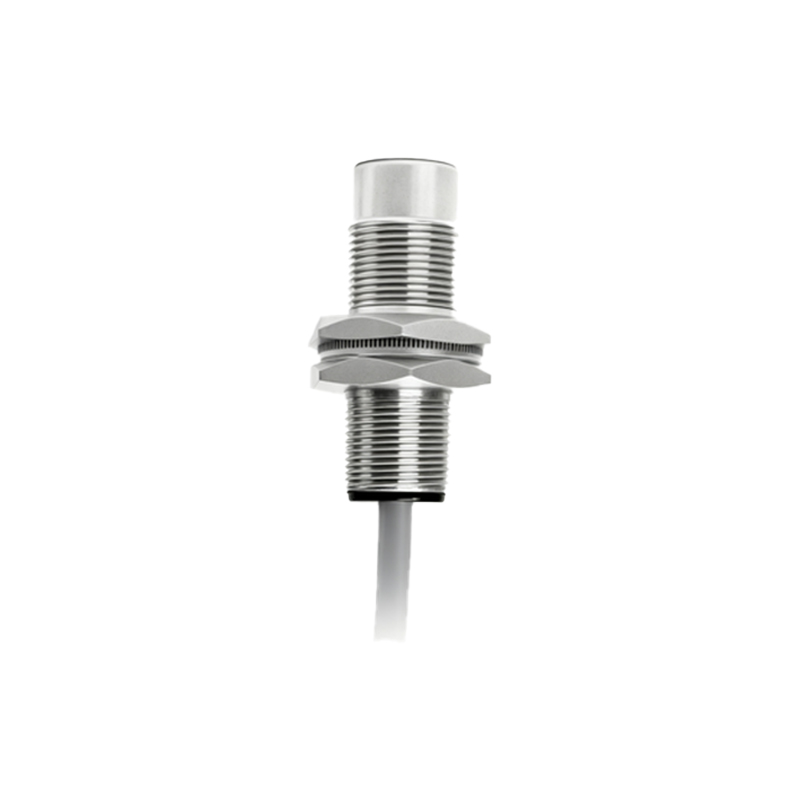
Mechanical design customization addresses form factor, mounting style, and material durability. Cylindrical, rectangular, or ring-shaped sensors are chosen based on spatial constraints. Mounting options like flush or non-flush installation affect sensing distances and interference resistance. In hazardous areas, certifications like ATEX or IECEx for explosive atmospheres are non-negotiable, ensuring compliance with safety regulations. Additionally, ingress protection (IP) ratings (e.g., IP67 or IP69K) dictate the sensor's resilience against dust and water ingress, which is vital for washdown environments in beverage or pharmaceutical plants.
Interoperability and communication protocols are pivotal in today's interconnected factories. Customized sensors often need to seamlessly interface with PLCs, SCADA systems, or IoT platforms. Adherence to global standards such as IEC 60947-5-2 for proximity devices ensures baseline performance and safety. However, for advanced digital sensors, support for protocols like PROFINET, EtherNet/IP, or Modbus TCP is essential for real-time data exchange. Standardizing these communication aspects minimizes integration headaches and fosters plug-and-play functionality.
Quality assurance and testing underpin all customization efforts. Each custom sensor should undergo rigorous validation, including endurance testing under simulated operational stresses, EMC testing to prevent electromagnetic interference, and accuracy verification across the specified sensing range. Documentation—comprising detailed datasheets, calibration certificates, and compliance marks—must accompany each unit to provide traceability and instill confidence in end-users.
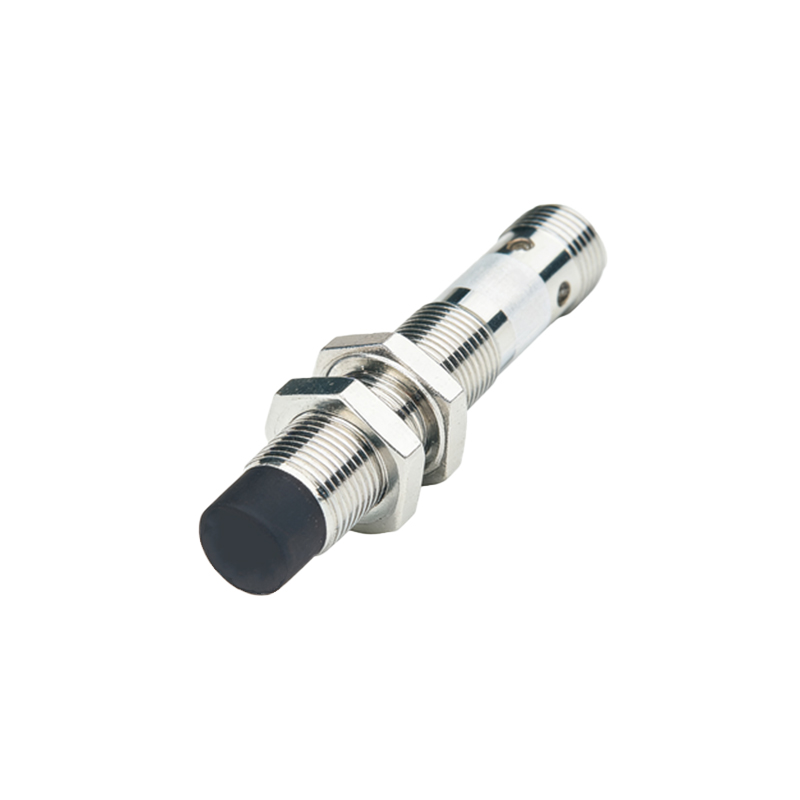
Ultimately, the goal of establishing customization standards for new proximity sensors is to bridge the gap between off-the-shelf limitations and application-specific demands. By focusing on environmental adaptability, electrical and mechanical precision, smart capabilities, and stringent testing, manufacturers can deliver sensors that not only enhance operational efficiency but also contribute to the long-term resilience of industrial ecosystems. As technology continues to advance, these standards will evolve, incorporating innovations like AI-driven adaptive sensing and further miniaturization, ensuring that proximity sensors remain at the forefront of industrial innovation.