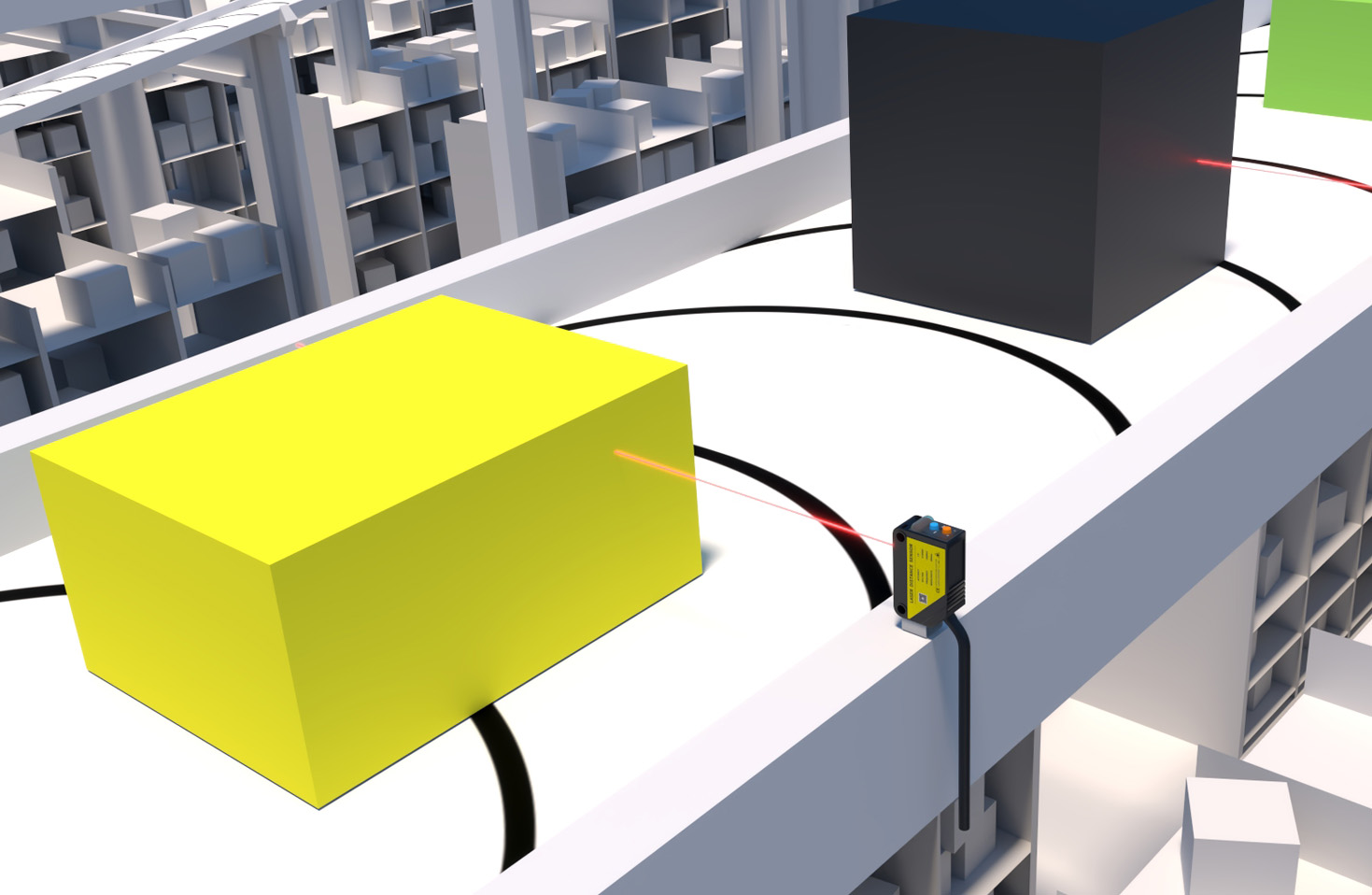
In the realm of industrial automation and precision measurement, laser displacement sensors have emerged as indispensable tools. These non-contact devices provide high-accuracy, high-speed measurements critical for quality control, process monitoring, and robotic guidance. This article delves into the operational principles, key technologies, diverse applications, and essential selection criteria for these sophisticated sensors.
At its core, a laser displacement sensor operates on the principle of triangulation. The sensor projects a focused laser beam onto the target surface. The reflected or scattered light from this point is then received by a position-sensitive detector (PSD) or a Charge-Coupled Device (CCD) within the sensor head. The position of the light spot on this detector changes proportionally to the distance to the target. By calculating this positional shift, the sensor's internal processor precisely determines the displacement or distance. This method allows for measurements that are immune to the wear and tear associated with contact probes and eliminates the risk of damaging delicate surfaces.
Several key technologies define modern laser displacement sensors. The choice of laser—typically a red visible laser or a Class 1 or 2 infrared laser—affects spot size, visibility for alignment, and suitability for different materials. CMOS or CCD imaging elements offer high resolution and stability. Advanced models incorporate features like "through-beam" alignment for easy setup, peak-hold functions for measuring transparent objects (like glass), and multi-point averaging to mitigate the effects of surface roughness. Furthermore, sophisticated algorithms filter out ambient light noise and handle challenging surfaces, such as shiny metals or dark, absorbent materials, ensuring reliable data.
The applications for laser displacement sensors span virtually every manufacturing sector. In automotive assembly, they measure body panel gaps, tire tread depth, and engine component thickness with micron-level precision. In electronics manufacturing, they verify the coplanarity of Ball Grid Array (BGA) solder balls and the thickness of wafer substrates. In metal processing, they monitor sheet flatness, roll diameter, and vibration in rotating machinery. They are also pivotal in robotics for precise bin-picking guidance and weld seam tracking. Beyond production, they are used in research and development for material testing, deformation analysis, and 3D profiling.
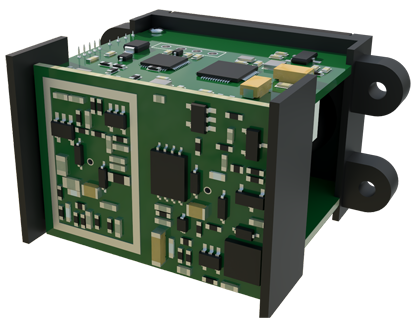
Selecting the appropriate laser displacement sensor requires careful consideration of several parameters. Measuring Range defines the minimum and maximum distances over which the sensor can operate accurately. Stand-off Distance is the optimal working distance from the sensor head to the target. Resolution indicates the smallest detectable change in distance, while Linear Accuracy specifies the maximum deviation from the true value across the measuring range. Spot Size is crucial, as a smaller spot allows for measuring finer details or edges. Sampling Rate (or response speed) determines how fast the sensor can take measurements, essential for high-speed production lines. Finally, the Output Interface (analog voltage/current, digital RS-232, Ethernet/IP, PROFINET) must be compatible with the existing control system.

Environmental factors pose significant challenges. Dust, oil mist, and coolant splashes can obscure the lens or laser window, necessitating sensors with high IP ratings (e.g., IP67) for washdown environments. Intense ambient light, especially from other lasers or welding arcs, can interfere with the sensor's receiver; models with modulated laser light and narrow-band optical filters are designed to reject this interference. Extreme temperatures may require specialized models or protective housings.
The future of laser displacement sensing is geared towards smarter, more integrated solutions. The integration of sensor data directly into Industrial Internet of Things (IIoT) platforms enables predictive maintenance and big-data analytics for process optimization. Confocal chromatic sensors offer even higher precision for transparent and multi-layered objects. Furthermore, the development of ultra-high-speed line lasers, which project a laser line instead of a single point, facilitates rapid 2D profile and 3D contour scanning, opening new frontiers in real-time inspection.
In conclusion, laser displacement sensors are a cornerstone of modern precision manufacturing. Their ability to deliver fast, accurate, and reliable non-contact measurements makes them vital for ensuring product quality, optimizing processes, and enabling advanced automation. A thorough understanding of their principles and a methodical approach to selection—considering the specific application requirements, environmental conditions, and necessary performance specifications—is key to leveraging their full potential and achieving a robust return on investment in any automated system.