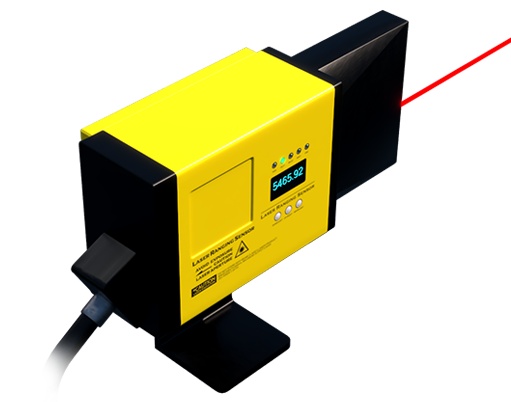
Laser sensors have become indispensable tools across numerous industrial sectors, offering unparalleled precision in measurement, detection, and positioning tasks. At the core of their performance lies a critical parameter: frequency. This article delves into the concept of laser sensor frequency, its operational implications, and key considerations for optimal system integration.
Fundamentally, the frequency of a laser sensor, often termed the sampling or measurement frequency, refers to the rate at which the sensor performs measurements per second. It is typically expressed in Hertz (Hz). A sensor with a frequency of 1 kHz, for example, can take 1,000 discrete measurements every second. This parameter is distinct from the wavelength of the laser light itself, which determines its color and is measured in nanometers (nm).
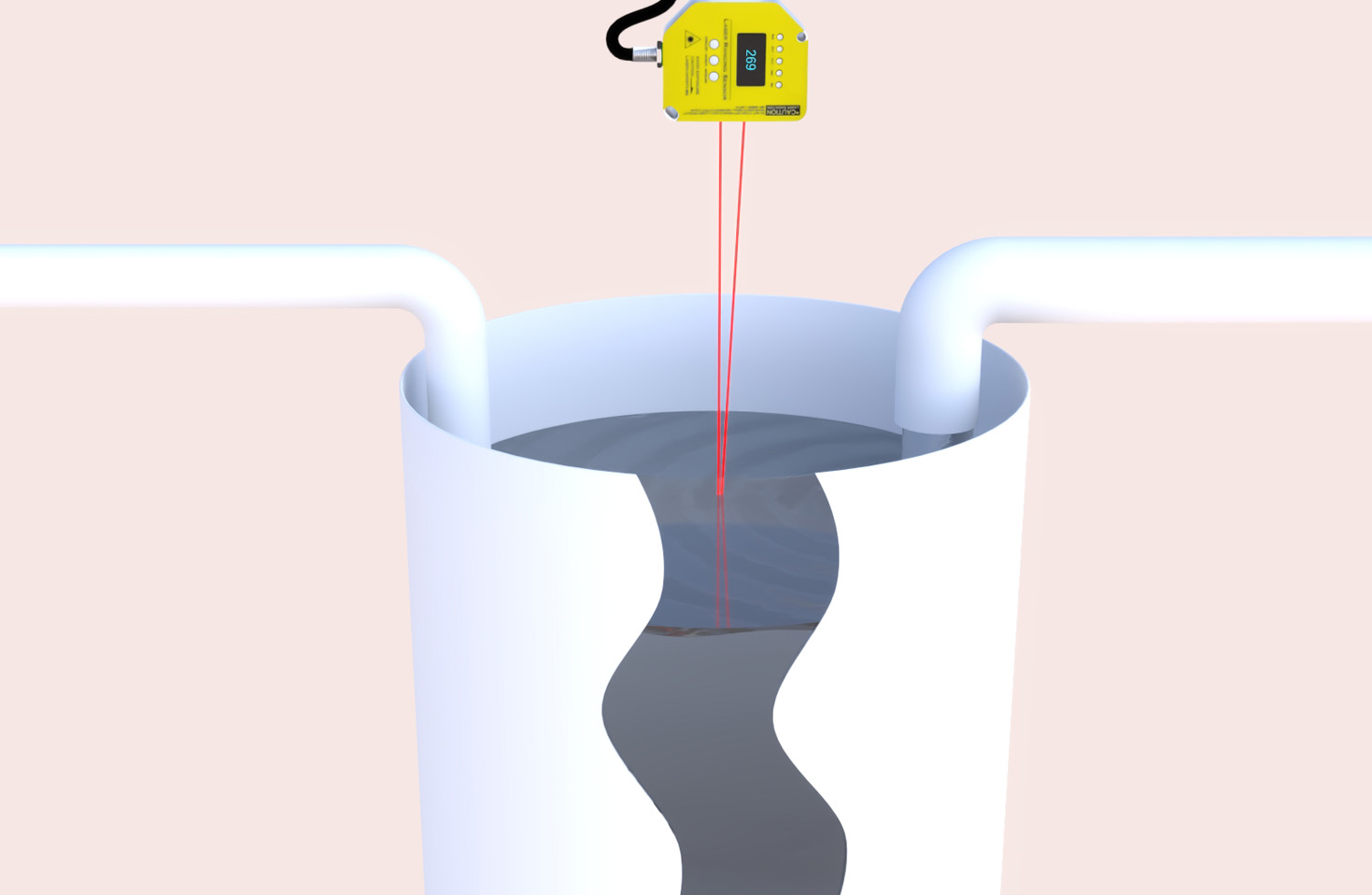
The selection of an appropriate frequency is paramount and directly impacts system performance. A higher frequency enables faster data acquisition, which is crucial for applications involving high-speed objects or rapid processes. In automated assembly lines, for instance, where components move swiftly on conveyor belts, a high-frequency laser sensor ensures accurate and timely detection of each part, preventing jams and maintaining throughput. Conversely, applications monitoring slow-moving or static objects, such as tank level sensing, may adequately function with lower-frequency sensors, potentially offering cost benefits.
However, frequency is not an isolated specification. It interacts dynamically with other sensor characteristics. One primary relationship is with response time. The response time defines the delay between a change in the target and the corresponding change in the sensor's output signal. Generally, a higher sampling frequency allows for a shorter potential response time, as the sensor checks for changes more often. Engineers must ensure the sensor's total response time (including processing) is compatible with the process speed.
Another critical interplay is with resolution and accuracy. While a high frequency allows for more data points, it does not inherently improve the sensor's fundamental resolution—the smallest detectable change in distance or position. However, in dynamic scenarios, higher frequency can improve the *effective* tracking resolution of a moving target by providing a denser cloud of measurement points along its path, leading to smoother and more accurate trajectory analysis.
Environmental factors also impose constraints on frequency selection. In settings with significant ambient light interference or airborne particulates, a very high frequency might not yield better results if the signal-to-noise ratio is poor. Sometimes, a moderate frequency combined with robust filtering algorithms provides more reliable data. Additionally, the communication interface (e.g., IO-Link, Ethernet/IP, PROFINET) must support the data throughput generated by the sensor's frequency to avoid bottlenecks.
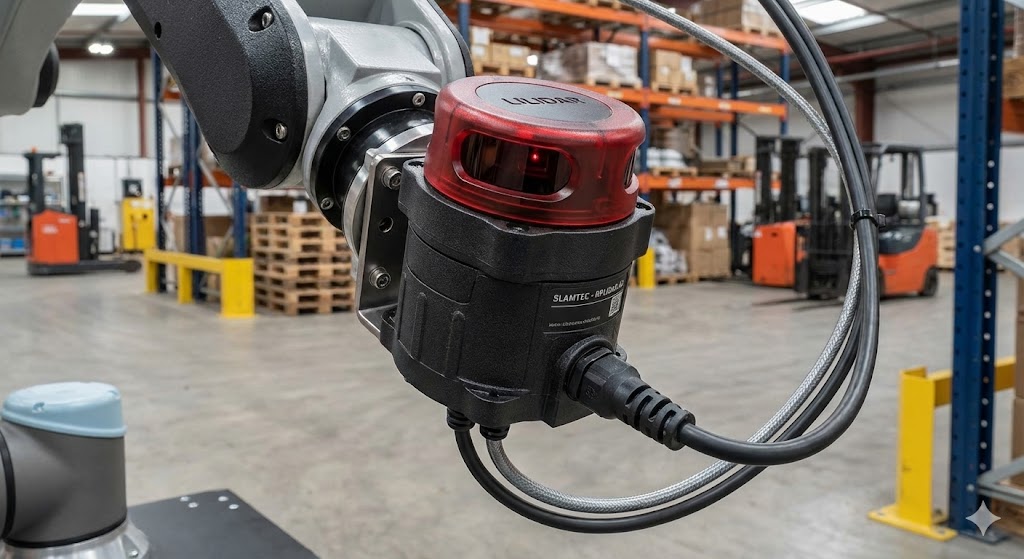
From a practical standpoint, integrating a laser sensor requires a holistic view. The process speed, required precision, acceptable latency, and environmental conditions must all be evaluated. For high-speed sorting machines, frequencies in the range of several kilohertz to tens of kilohertz are common. In contrast, precision dimensional gauging of slowly rotating parts might prioritize ultra-high resolution over extreme frequency.
In conclusion, laser sensor frequency is a vital specification that dictates the tempo of data collection. It is not a case of 'higher is always better,' but rather 'appropriate is optimal.' A thorough understanding of the application requirements, coupled with knowledge of how frequency interacts with response time, resolution, and system integration, empowers engineers to select and configure laser sensors that deliver robust, reliable, and efficient performance, thereby enhancing overall productivity and quality in modern industrial automation.