In the rapidly evolving landscape of industrial automation, the demand for precision, reliability, and adaptability has never been higher. Custom laser sensor solutions have emerged as a critical component in meeting these demands, offering tailored capabilities that off-the-shelf products often cannot provide. As an experienced electrical engineer specializing in sensor technology, I have witnessed firsthand the transformative impact of bespoke laser sensors across various sectors, from manufacturing and robotics to automotive and aerospace.
Laser sensors operate on the principle of emitting a focused light beam and measuring its reflection to determine distance, position, or presence of an object. While standard laser sensors are effective for general applications, many industrial scenarios require specific parameters that only customization can address. For instance, in high-temperature environments such as metal forging or glass production, sensors must withstand extreme heat without compromising accuracy. Custom designs can incorporate specialized materials and cooling mechanisms to ensure optimal performance under such conditions. Similarly, in applications involving highly reflective or dark surfaces, standard sensors may struggle with signal interference or absorption. Customized optics and signal processing algorithms can be developed to enhance detection reliability, reducing errors and downtime.
The process of customizing a laser sensor begins with a thorough analysis of the application requirements. This involves collaboration between engineers and clients to identify key parameters such as measurement range, resolution, response time, environmental factors, and integration needs. For example, in automated assembly lines where robots handle miniature components, a custom laser sensor might be designed with ultra-high resolution (down to micrometer levels) and fast response times to ensure precise positioning. In contrast, for large-scale logistics warehouses, sensors may need longer ranges and robust housings to endure dust, vibration, and varying lighting conditions.
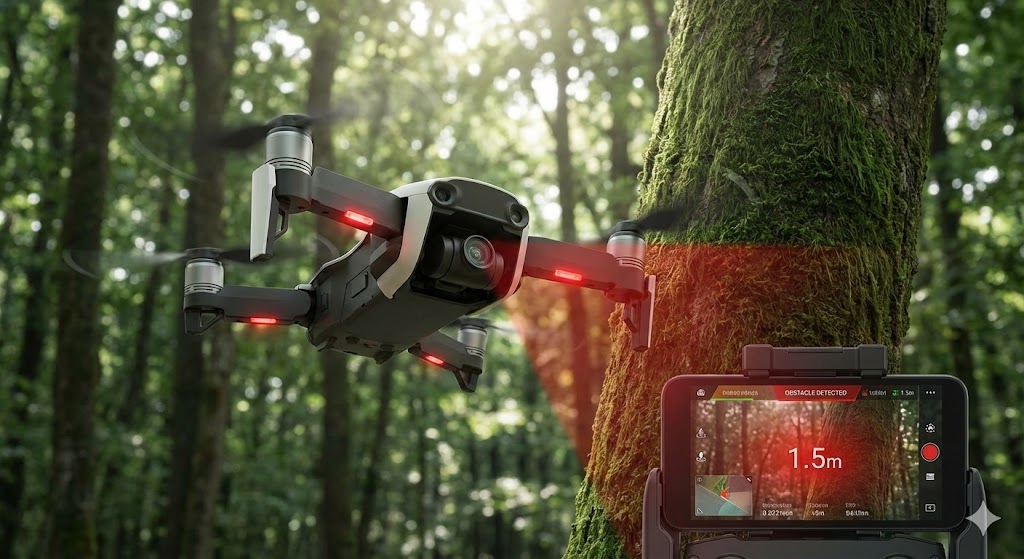
One notable advantage of custom laser sensors is their ability to integrate seamlessly with existing systems. Many industries operate with legacy equipment or proprietary software, making compatibility a major concern. Custom solutions can be engineered to communicate via specific protocols (e.g., Ethernet/IP, PROFINET, or Modbus) and interface with control units without requiring extensive modifications. This not only reduces implementation costs but also minimizes disruption to ongoing operations. Additionally, customization allows for form factor adjustments—such as compact designs for space-constrained installations or modular setups for easy maintenance—enhancing overall system efficiency.
From a technical perspective, advancements in laser diode technology, photodetectors, and embedded processing have expanded the possibilities for customization. Modern laser sensors can incorporate features like background suppression, which ignores irrelevant objects beyond a set distance, or analog outputs for continuous measurement data. In hazardous environments, intrinsically safe designs with explosion-proof certifications can be developed to comply with industry standards like ATEX or IECEx. Furthermore, the rise of Industry 4.0 has driven demand for smart sensors with IoT connectivity, enabling real-time monitoring, predictive maintenance, and data analytics. Custom laser sensors can embed these capabilities, providing actionable insights that improve productivity and reduce operational risks.
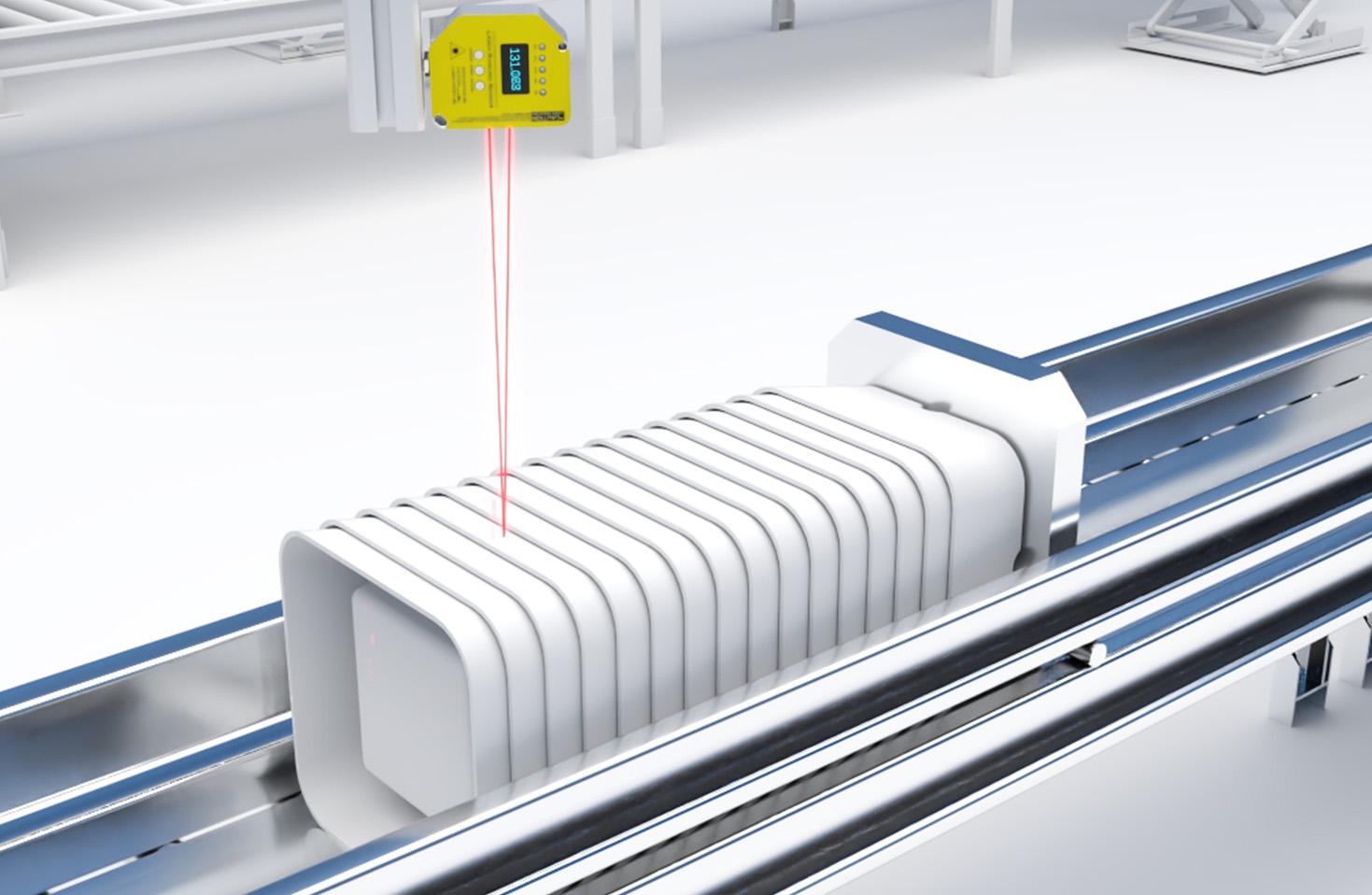
However, customizing laser sensors is not without challenges. It requires expertise in optics, electronics, and software development, along with rigorous testing to validate performance. Engineers must balance cost-effectiveness with technical specifications, ensuring that the solution meets both functional and budgetary constraints. Prototyping and simulation tools play a crucial role here, allowing for iterative design improvements before full-scale production. Clients should also consider long-term support, including calibration services and firmware updates, to maintain sensor accuracy over time.
In conclusion, custom laser sensor solutions represent a strategic investment for industries seeking to enhance automation, quality control, and safety. By addressing unique application needs, these sensors deliver superior performance compared to generic alternatives. As technology continues to advance, the potential for innovation in laser sensor customization will only grow, paving the way for smarter and more resilient industrial systems. Whether for precision measurement in cleanrooms or rugged detection in outdoor settings, tailored laser sensors are proving indispensable in driving operational excellence.