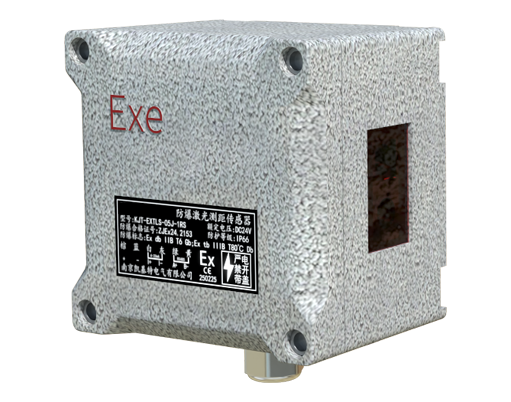
In the rapidly evolving landscape of electrical engineering, precision measurement tools have become indispensable for optimizing system performance and ensuring operational safety. Among these, laser wind sensors represent a significant technological advancement, offering unparalleled accuracy in wind speed and direction monitoring. Unlike traditional mechanical anemometers, which rely on moving parts prone to wear and environmental interference, laser wind sensors utilize the principles of laser Doppler velocimetry to detect minute changes in wind patterns without physical contact. This non-intrusive method involves emitting a laser beam into the atmosphere; as particles in the air—such as dust or water droplets—pass through the beam, they scatter the light. By analyzing the frequency shift of the scattered light, the sensor calculates wind velocity and direction with high resolution, often achieving accuracies within 0.1 m/s and 1 degree.
The core components of a laser wind sensor include a laser diode, optical lenses, photodetectors, and sophisticated signal processing units. The laser diode generates a coherent light beam, typically in the infrared spectrum, which is focused by lenses into a measurement volume. Photodetectors capture the backscattered light, converting it into electrical signals. Advanced algorithms then process these signals to filter noise and extract precise wind data. This design eliminates mechanical friction, reducing maintenance needs and enhancing durability in harsh environments like coastal areas, industrial sites, and high-altitude installations. For electrical engineers, this reliability translates to more stable data for applications such as wind farm optimization, where accurate wind assessments are critical for turbine placement and energy output forecasting. In smart grid systems, laser wind sensors contribute to load balancing by predicting wind-driven power generation fluctuations, thereby improving grid stability and efficiency.
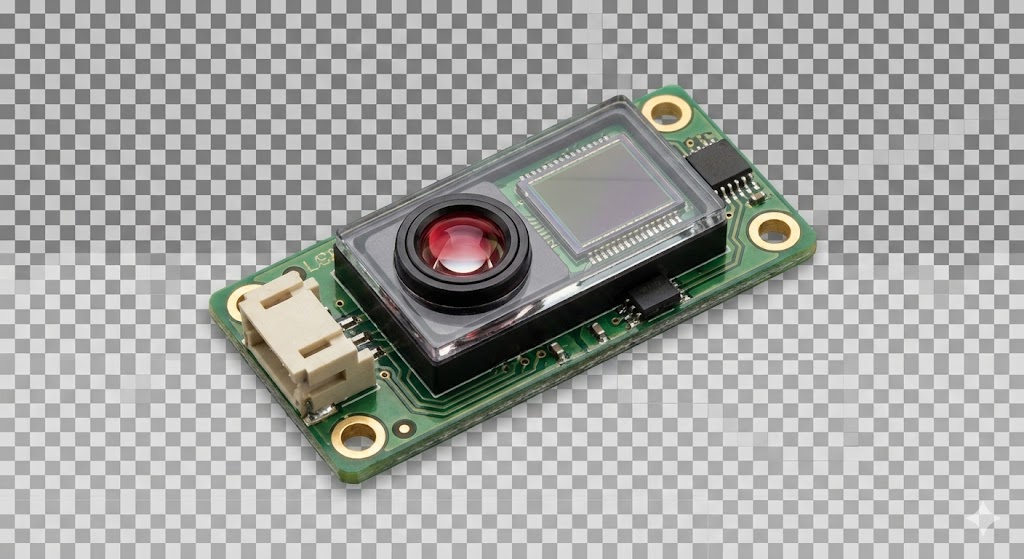
Moreover, the integration of laser wind sensors with Internet of Things (IoT) platforms has expanded their utility in modern electrical infrastructure. Real-time data from these sensors can be transmitted wirelessly to central monitoring systems, enabling proactive maintenance and adaptive control strategies. For instance, in transmission line management, sensors detect wind-induced conductor galloping, allowing engineers to mitigate risks of short circuits or structural damage. In renewable energy sectors, combining laser wind data with predictive analytics helps optimize hybrid systems that pair wind and solar power, maximizing resource utilization. The sensors' low power consumption—often below 5 watts—and compatibility with renewable energy sources like solar panels make them sustainable choices for off-grid installations.
Despite their advantages, challenges remain in widespread adoption. High initial costs, typically ranging from $2,000 to $10,000 per unit, can be a barrier for small-scale projects. Additionally, performance may degrade in heavy rain or fog due to signal attenuation, though newer models incorporate multi-wavelength lasers to mitigate this issue. Ongoing research focuses on miniaturizing sensors and enhancing AI-driven calibration, promising more affordable and robust solutions. As electrical engineering embraces digital transformation, laser wind sensors are poised to play a pivotal role in advancing smart cities, climate resilience projects, and energy-efficient designs. By providing precise, real-time environmental data, they empower engineers to build safer, more responsive systems that align with global sustainability goals. In summary, laser wind sensors are not merely measurement tools but enablers of innovation, driving progress in electrical engineering through cutting-edge technology and data-driven insights.